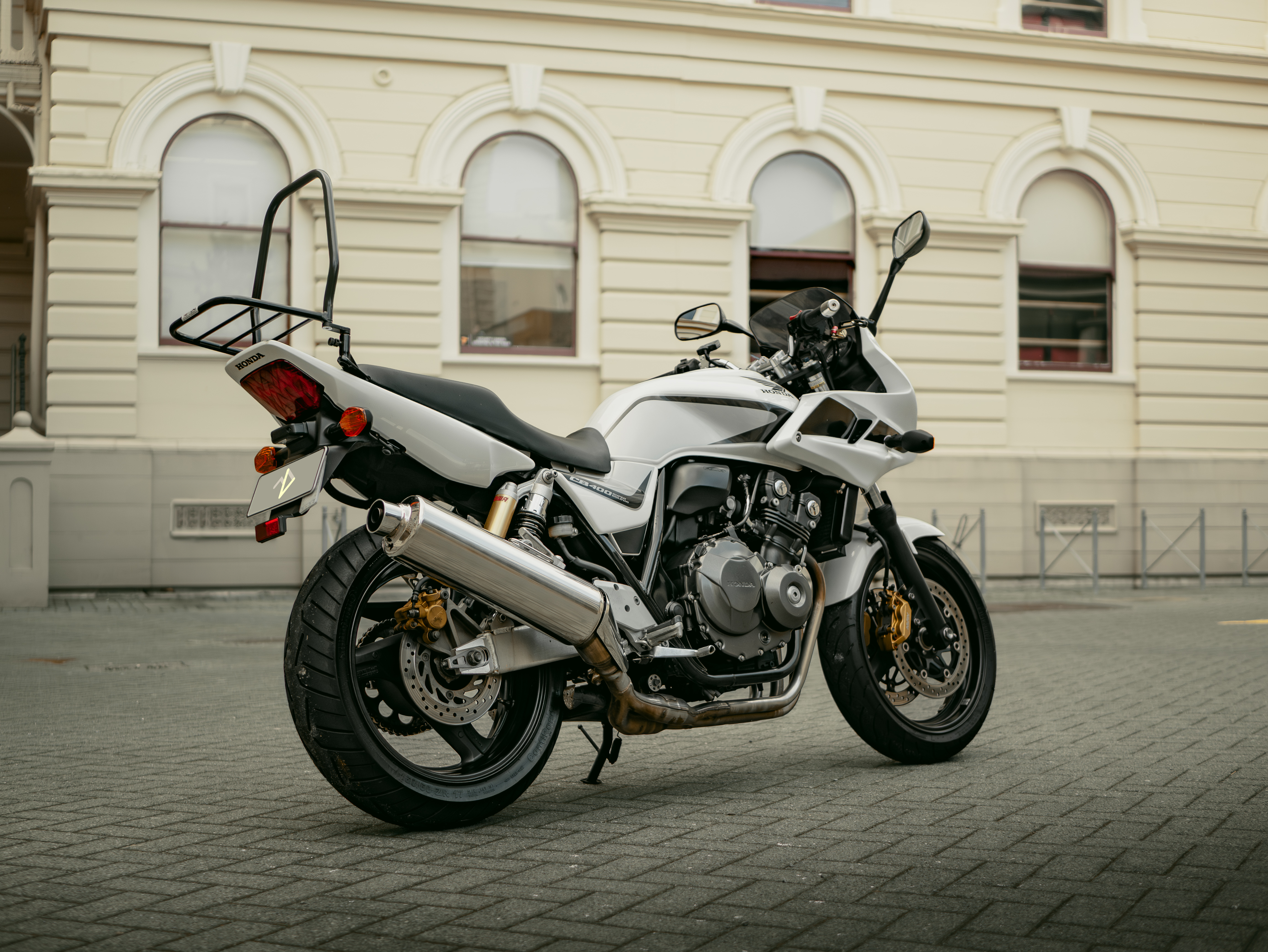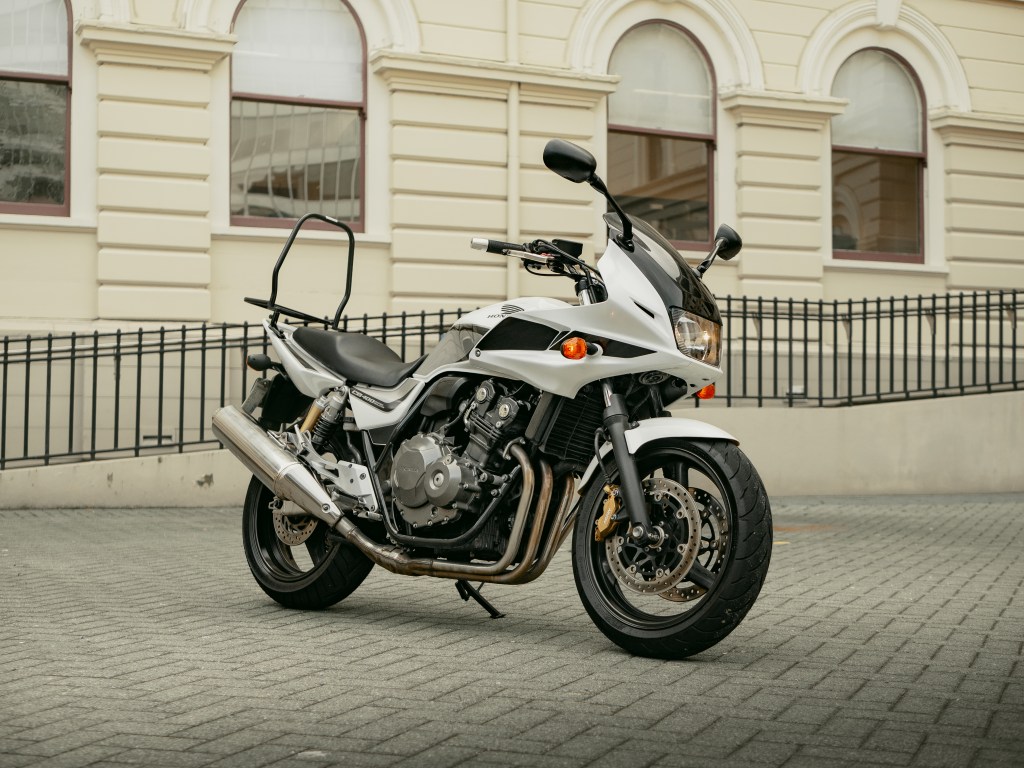
This 2011 CB400SB was provided by a private client for a photoshoot and review. All opinions are my own, and this article was not reviewed or altered by the owner prior to release.
Up this week is Honda’s VTEC-fitted CB400SB, one of the most well-rounded and easy-to-ride 400cc bikes in the market.
Packing the VTEC punch!
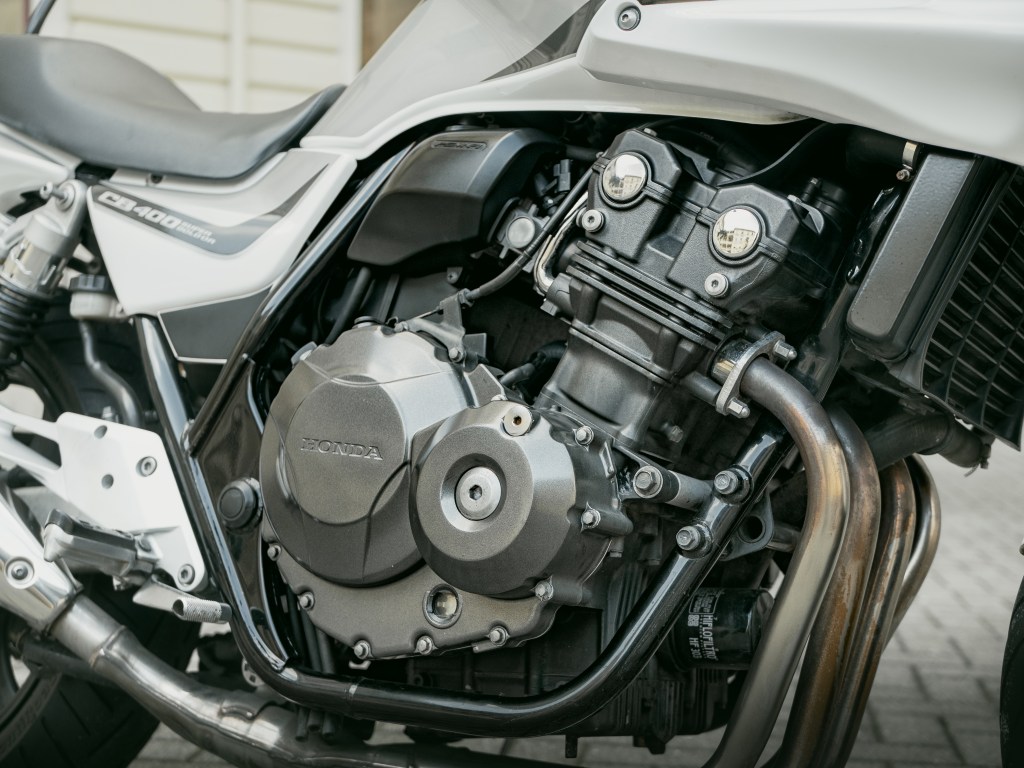
Although the CB400 line has existed since 1992, it was only until 1999 that the CB400 first came equipped with the Hyper VTEC system, which Honda has since updated with every refreshed model. Although it shares the same VTEC (Valve Timing Electronic Control) name found in many cars, the Hyper VTEC system doesn’t vary valve timing — instead, it simply switches from two valves to four valves per cylinder once a certain RPM is reached. Honda played around with these RPM thresholds over the model years, but for the latest ‘Revo’ generation the VTEC engaged at 6300rpm through gears 1-5, and 6750rpm in sixth gear.
From 2008 to 2022, the CB400 used the fuel-injected NC42E engine, a revised version of the carbureted predecessors (NC39). Especially on these fuel-injected models, the VTEC engagement is so smooth you wouldn’t even feel it. I own the carbureted NC39, and regardless of the exhaust note there is a noticeable ‘bump’ in power delivery when VTEC kicks in. Similar differences were apparent in the different generations of the VFR800, with some people preferring the more aggressive, on-and-off changeover, and some preferring the VTEC to be unnoticeable and silky smooth. It really is a matter of preference, and though I enjoy the characterful nature of the carburettor, I can easily appreciate the practicality and ease of a no-nonsense NC42.
Onto the actual figures…
The 399cc inline-four pushes out 53hp/38.6kW (@11000rpm) and 40.1Nm of torque (@7500rpm), delivering ample power for highway riding and city-crawling. The CB provides a balanced delivery of power across the rev range, and it amazes me how smooth it holds and pulls at low revs, where some four-cylinders would noticeably struggle. With this example sitting at just under 50,000km on the clock, it still sounds and runs like clockwork!
Though it weighs in at 198kg (wet), the centre of gravity is low and it masks the near-200kg weight with ease. Wheeling it in and out of the garage proves itself an easy affair. Seat height comes in at an approachable 755mm, which as a whole brings together an easily manageable machine.

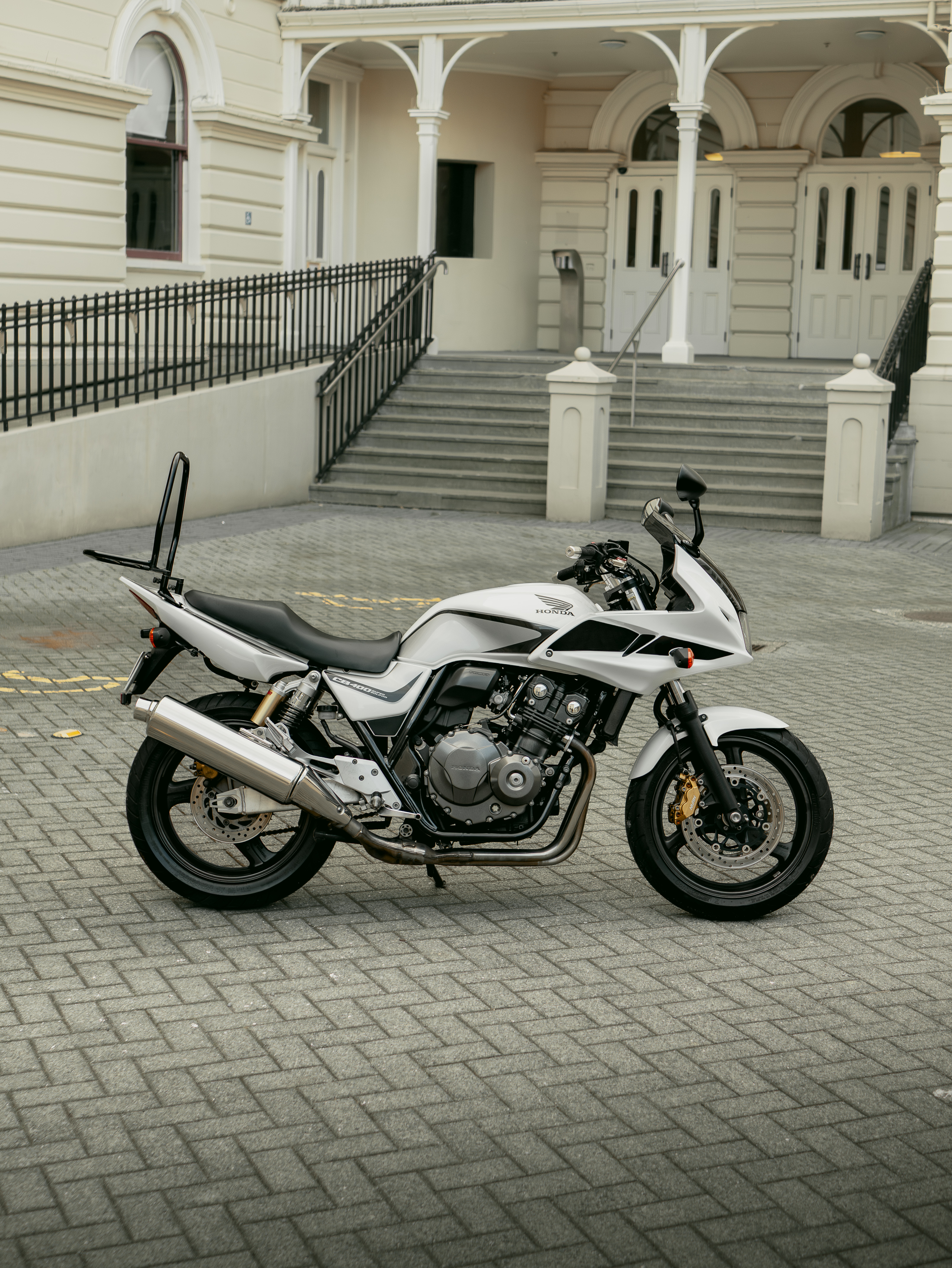
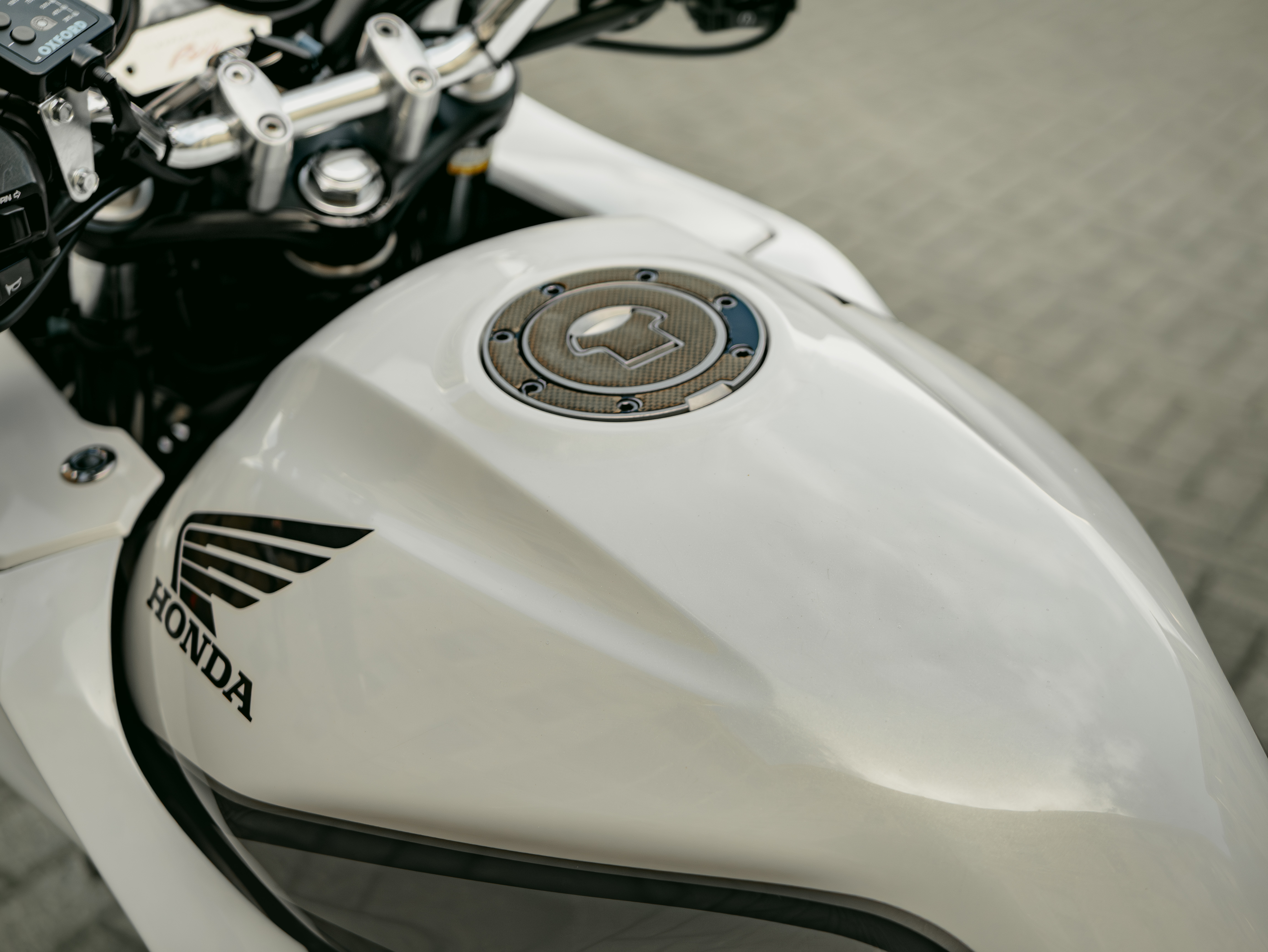
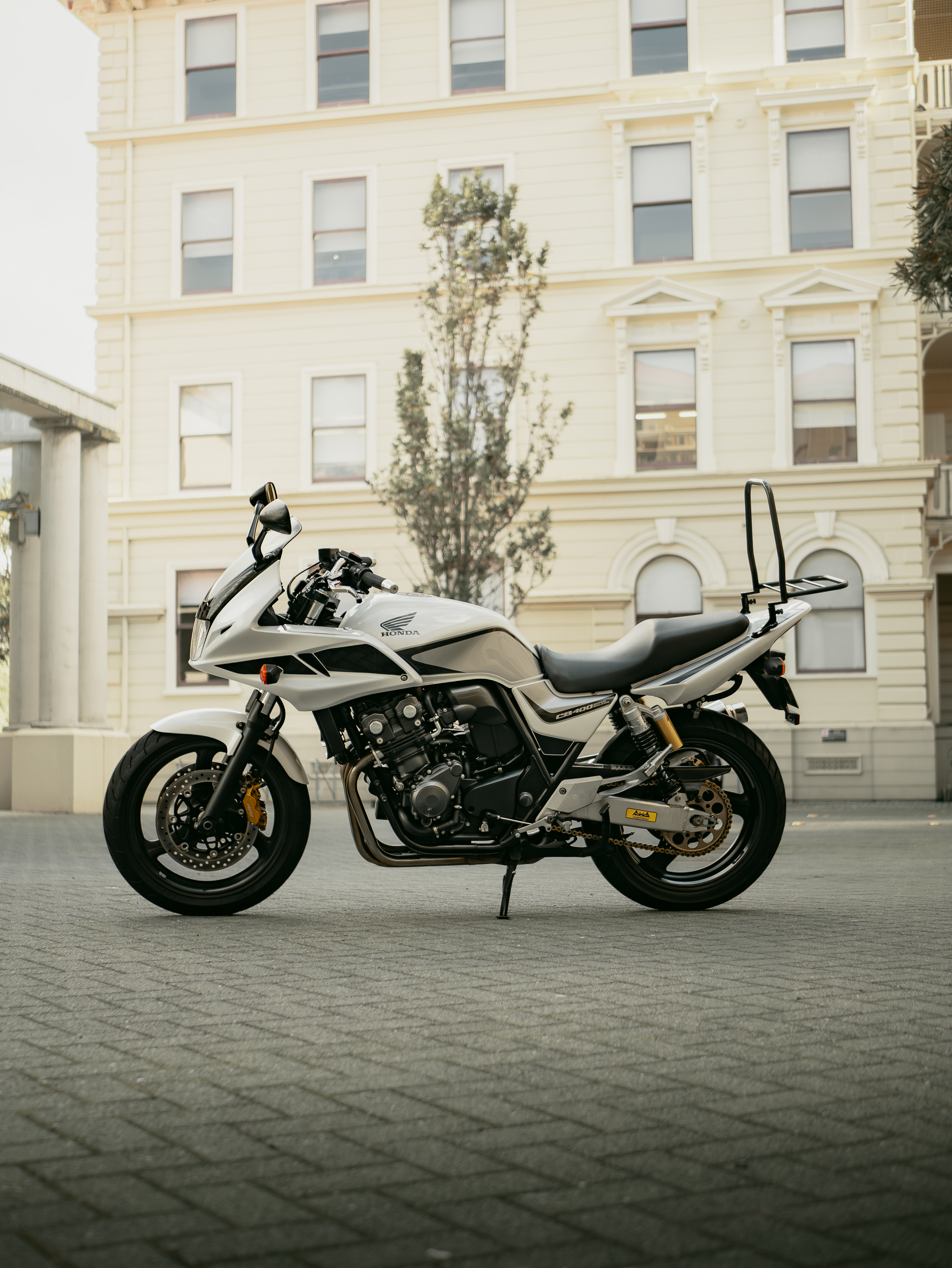
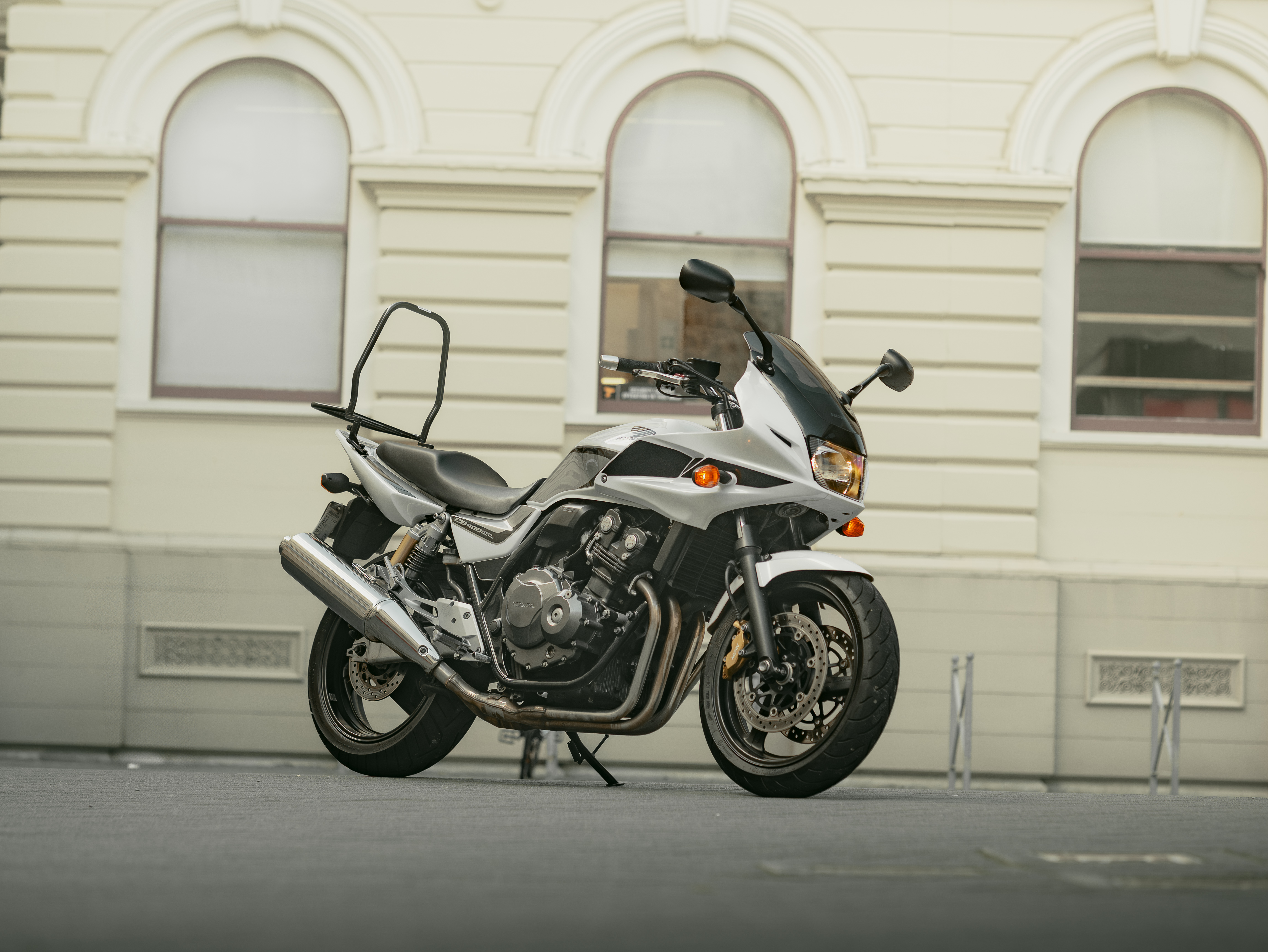
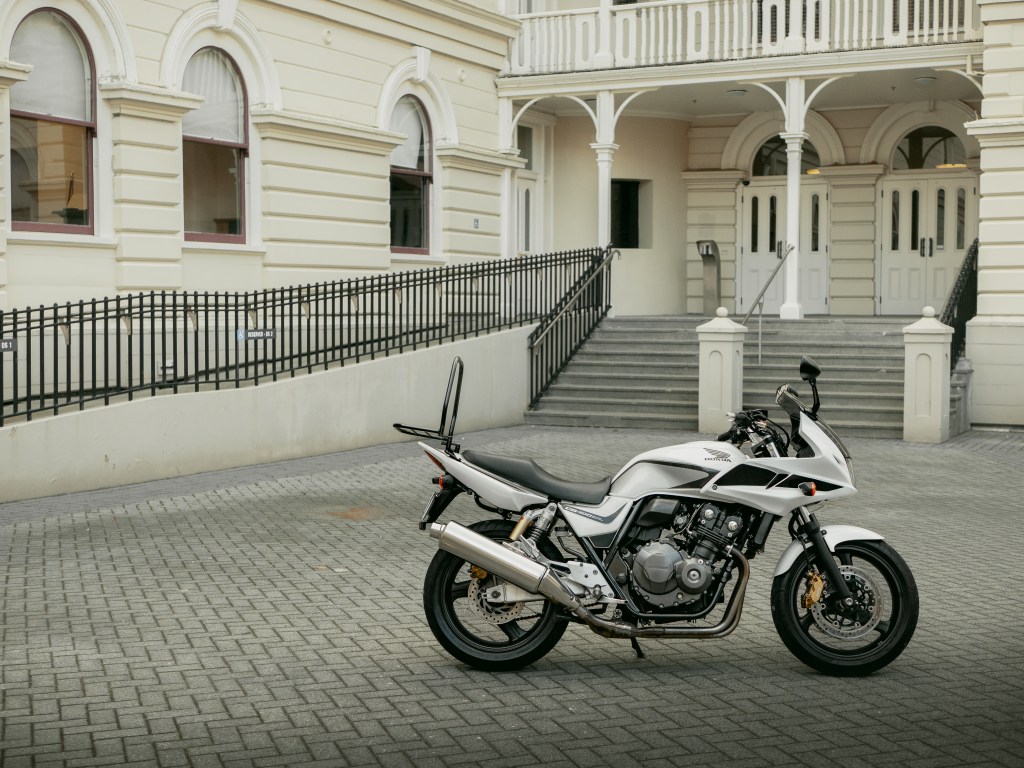
This example is dressed in the stunning Pearl Sunbeam White, with the pearl paint sparkling nicely when caught in the light.
Colourway options have changed slightly over the years but my top pick would be the Candy Blazing Red, a pearl tri-colour that screams ‘Honda’ from a mile away!
Cockpit Comfort
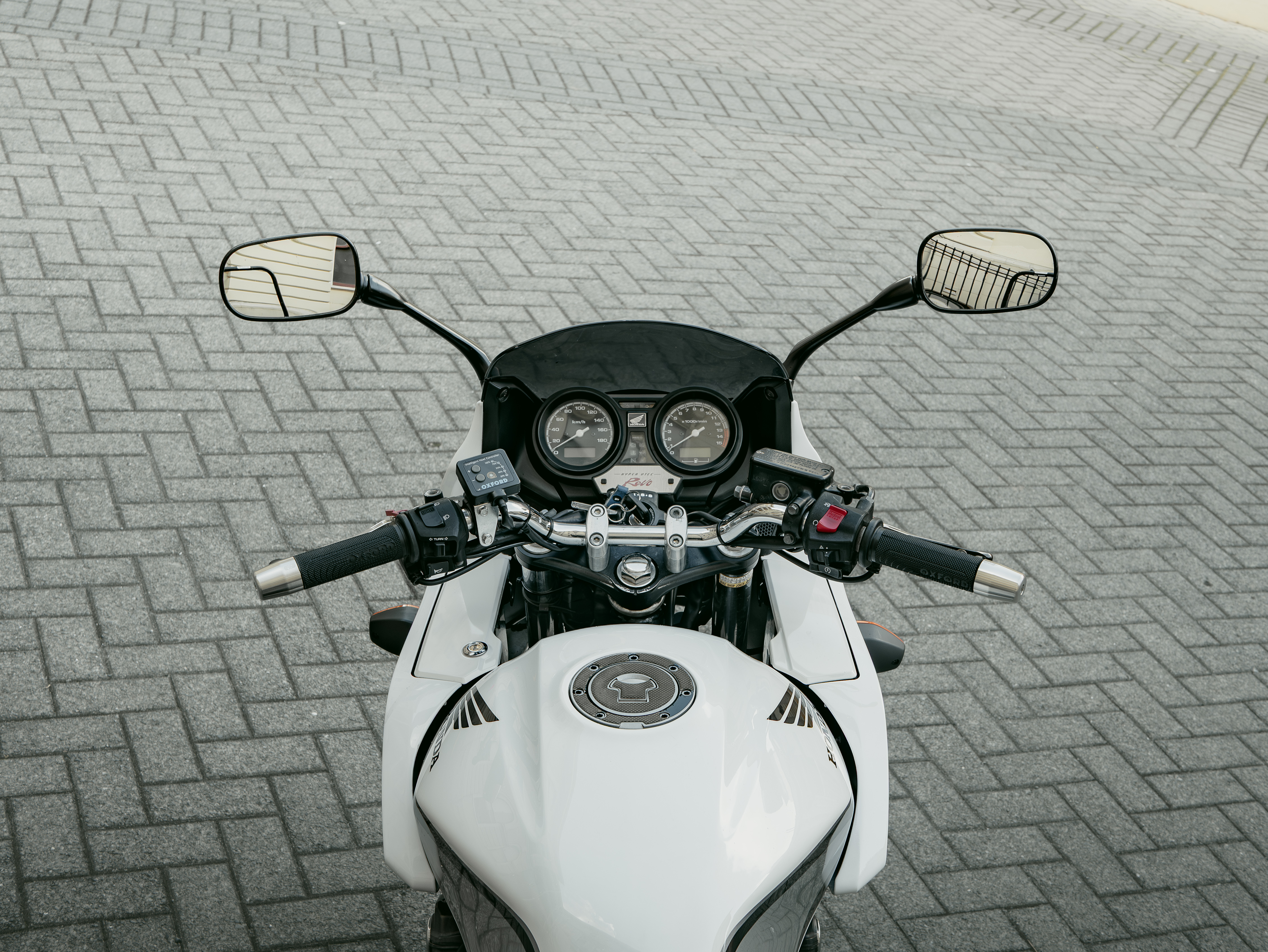
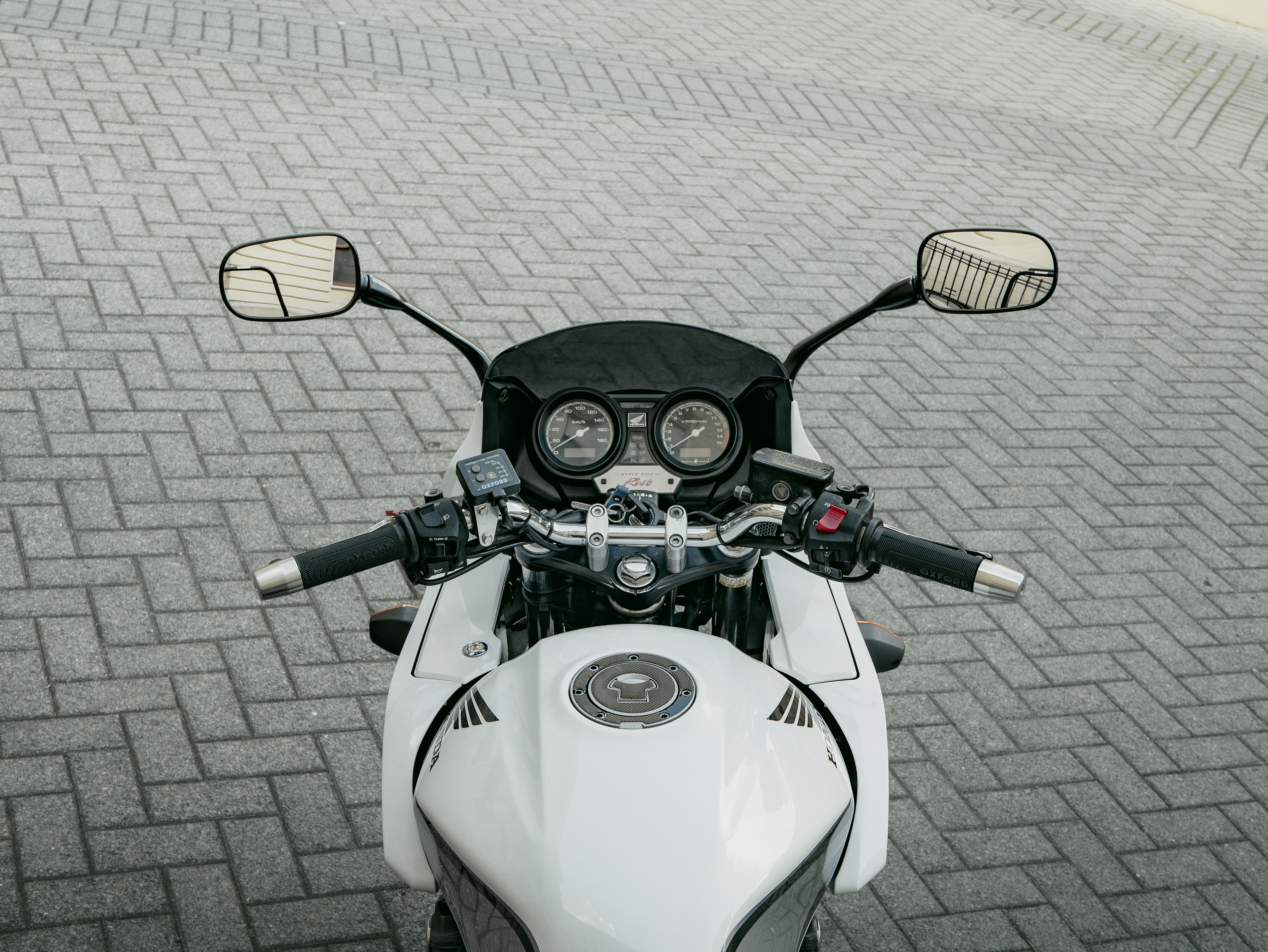
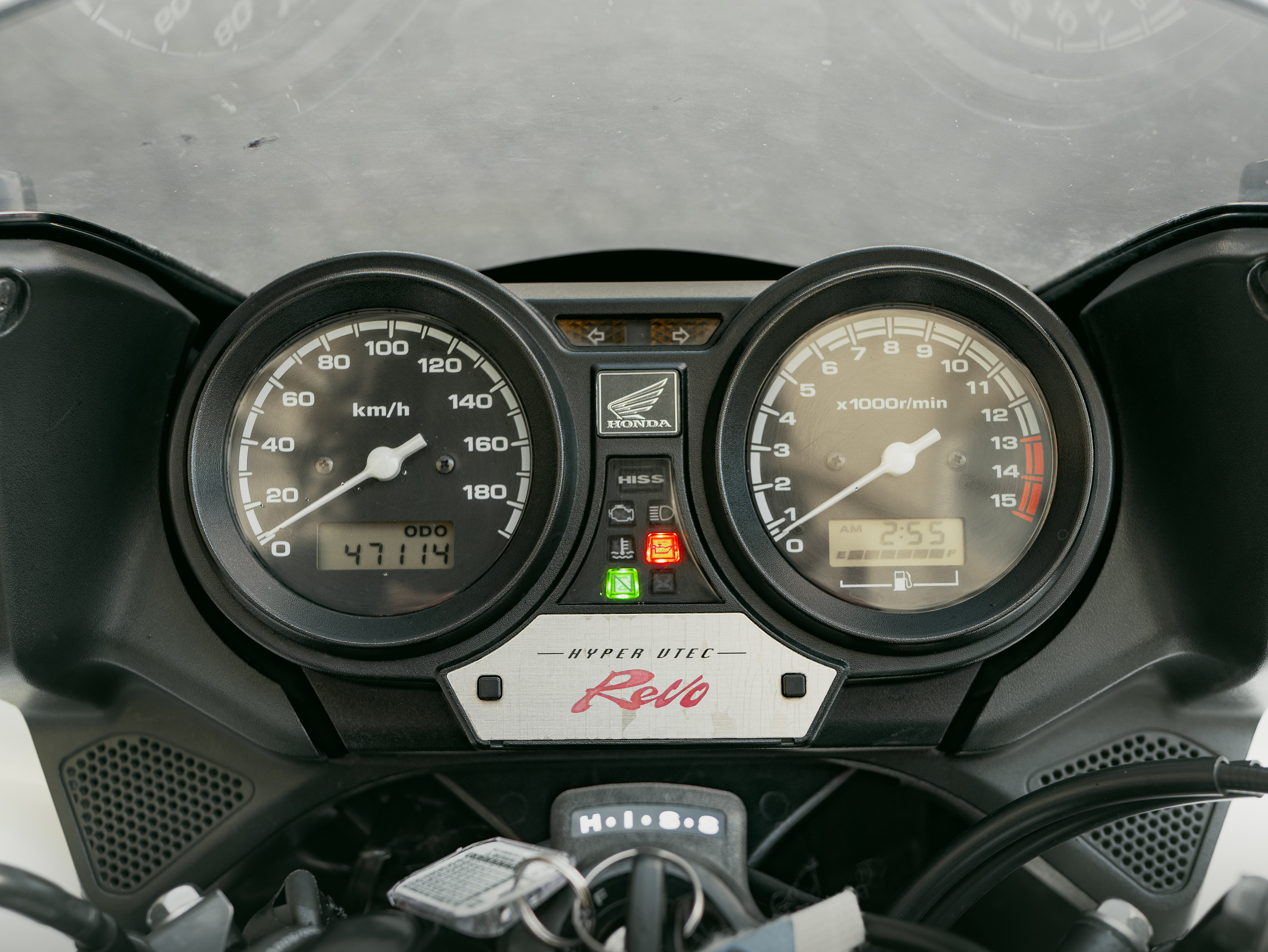
Welcoming you is a twin-dial analogue dash, complimented by a few digital functions. The left — an odometer and two trip-meters. The right — a fuel gauge and a clock.
A small detail on the tach that I like, is the two separate white lines indicating the VTEC changeover — neat!
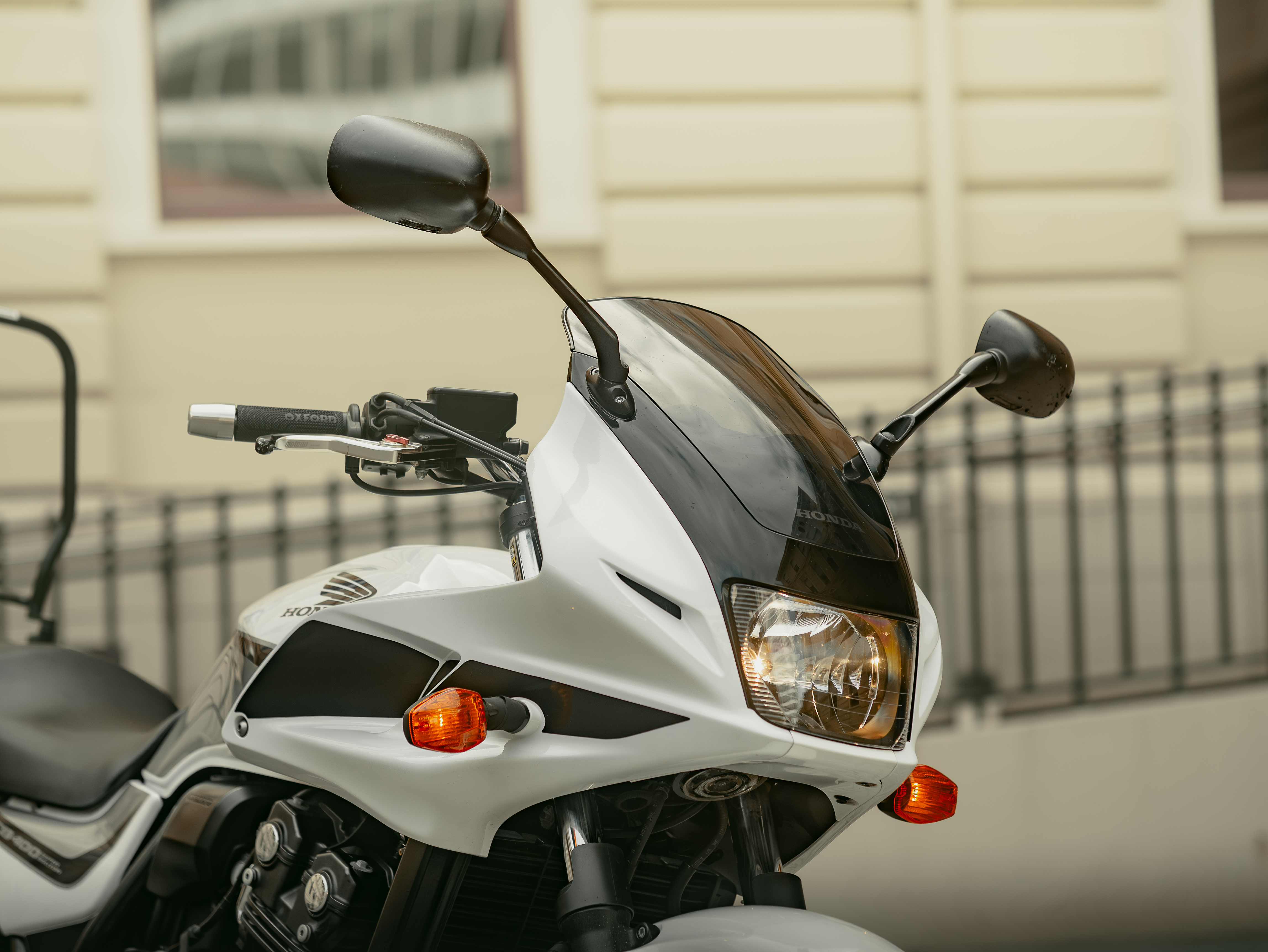
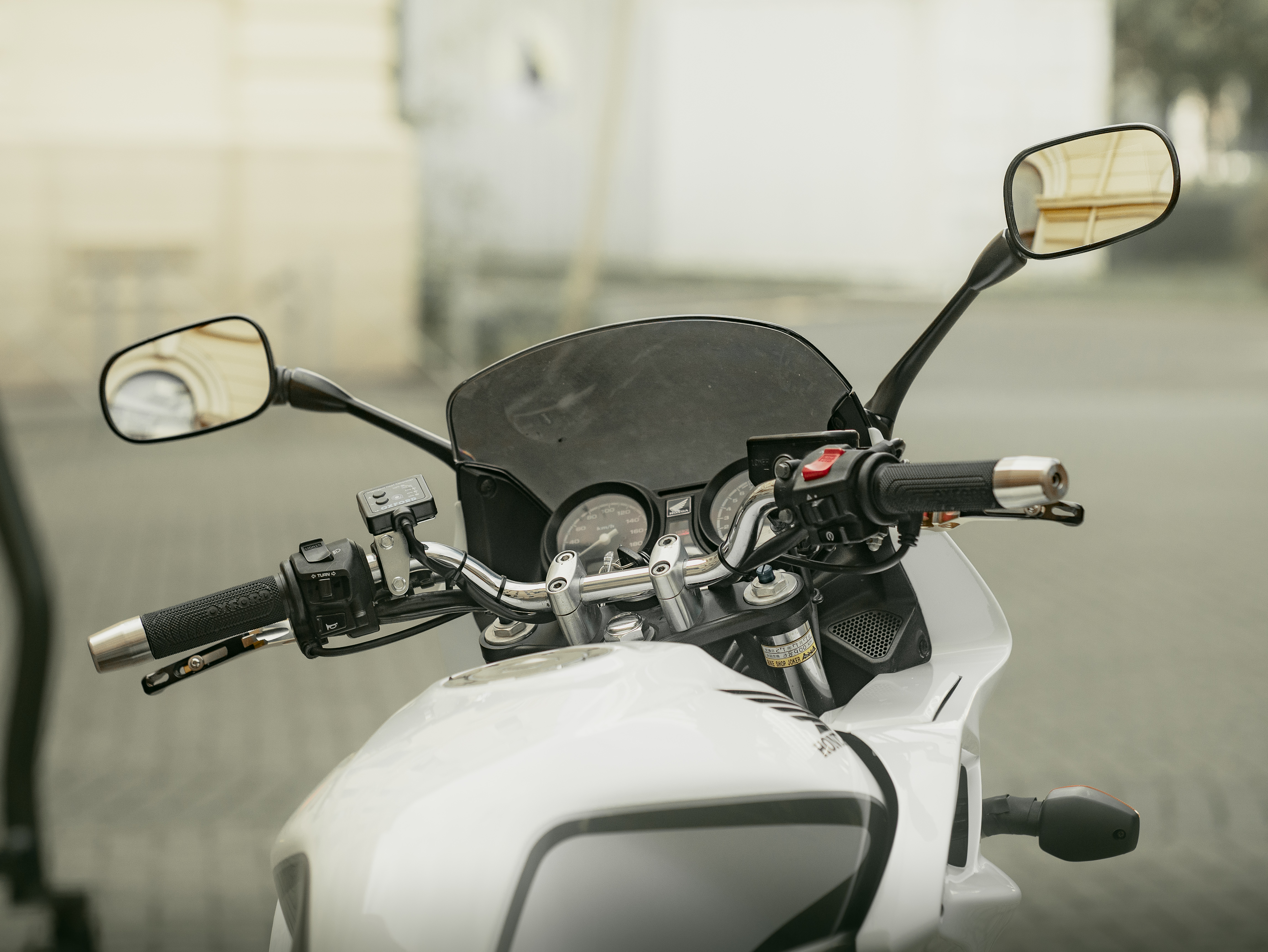
Coming to the handlebars, bar height and pullback is what you would expect from a bike with a fairly neutral, upright riding position. It’s incredibly comfortable, and the wideness of the bars give you a commanding control over the front end. Though you can tuck a little at speed, the width and height of the bars jut your arms out in a way that remind you that this isn’t designed as a fully-fledged sport bike. Compared to the standard non-faired Super Four version, the Bol D’or prevails in all manners of riding comfort. I personally think the half-fairing is a perfect medium — the fairing and windscreen deflect wind well, and the lack of side fairings mean less wind buffeting from cross-winds also. It also means you get to enjoy the cool factor of sharp lines with the front fairing, while the open sides accomodate a full view of the header pipes.
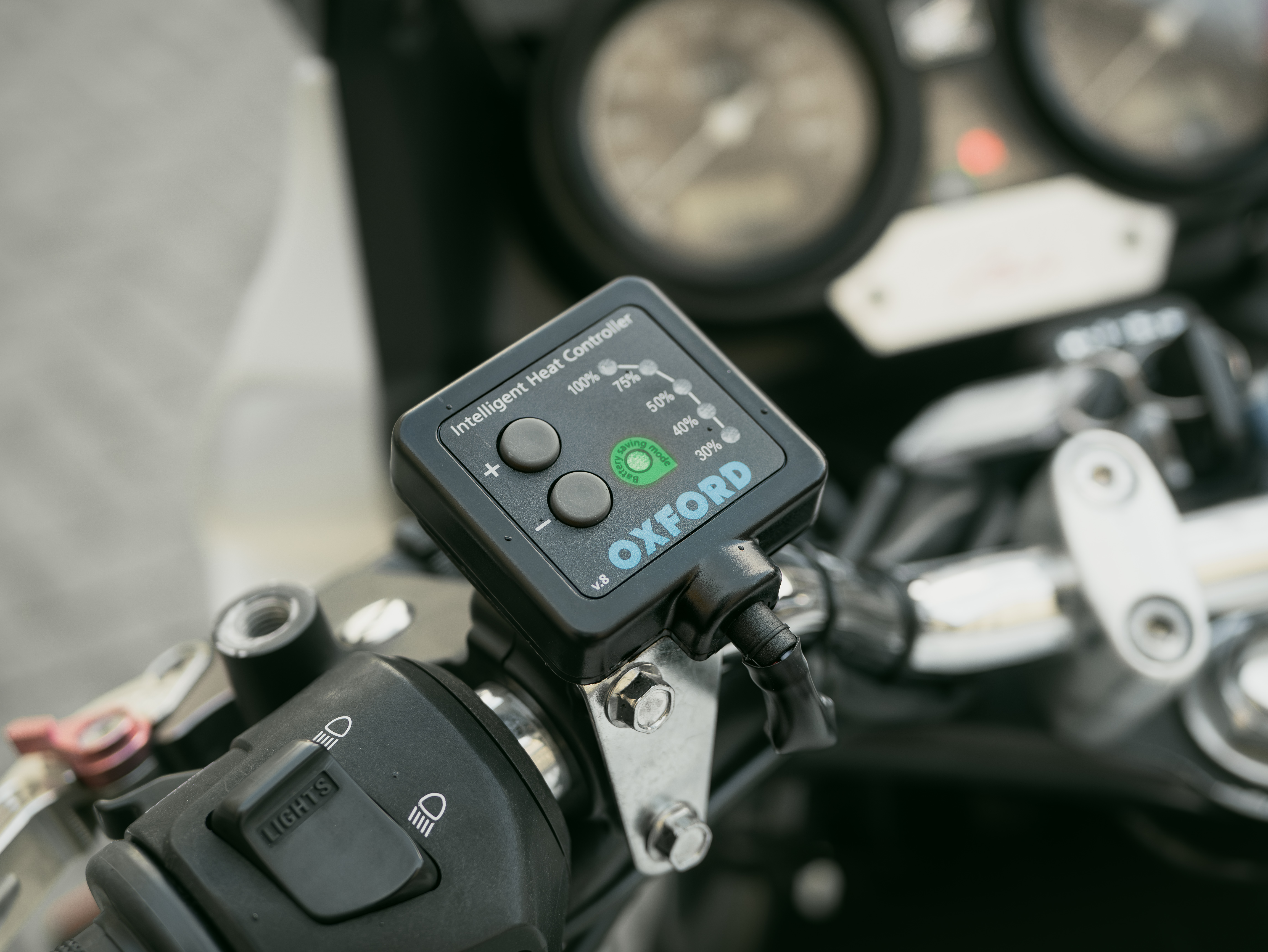
This example is fitted with the Oxford Hot Grips, making it a sensible choice to commute on throughout the entire year.

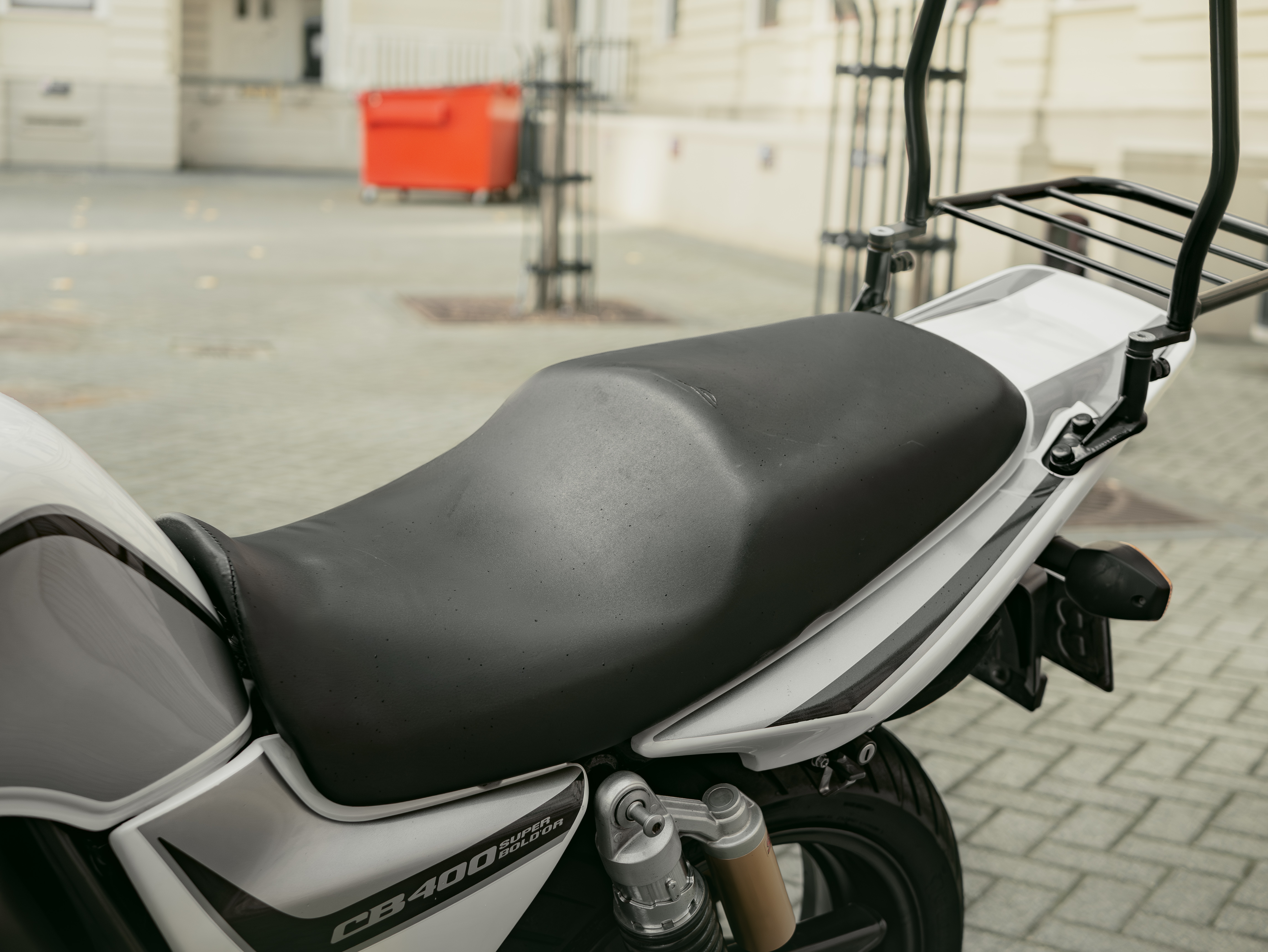
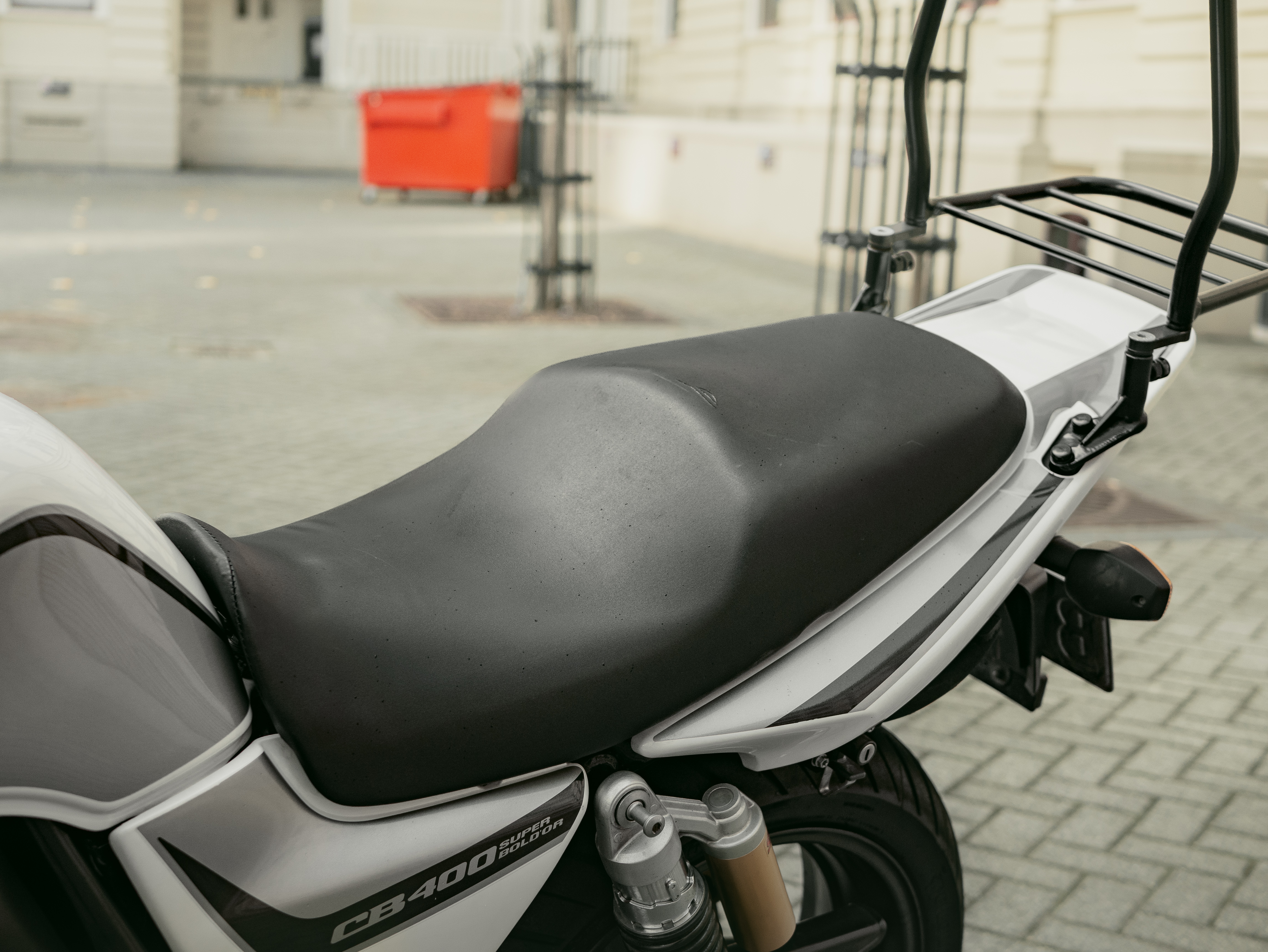
Within the expectations of a stock seat, it is is shaped and padded nicely and offers plush accomodations for both city-zipping and longer trips. One gripe I have with it though, is how slippery the seat feels at times. Though it definitely fares better compared to the even slipperier saddles of the previous generations, it could do with an overhaul down the line.

Understated – Under-appreciated?
What a 400cc four-cylinder can offer is beyond all the stats on paper. In a 400cc market predominantly filled with parallel-twins, the CB400 offers exactly what these other bikes cannot. If we look at modern-market offerings, the ZX-25R from Kawasaki (or even the ZX-4RR, though not a fair comparison), sit at premium price-point for customers to wheel out of the dealership on. Do you get more modern technology bits? Sure. Does it run and ride a little smoother? Probably. Are they different bikes entirely? Absolutely. Same goes for the new CBR650R and CB650R, both often sold as LAMS versions.
The CB400 will offer the balance and practicality that the ZX and CBR can’t. Though it won’t pick up the pace as fast, the CB delivers a smooth and easy-going ride that doesn’t demand anything from you as a rider. Compared to the neo-retro CB650R naked, it has a leg up with the half-fairing when it comes to practicality. The CB400 will happily sit at low rpms and purr along in traffic, as well as provide lessened strain on your legs and arms from the riding position. While they both market as LAMS-approved bikes, the approachability and affordability of the CB seems it would be the more sensible choice.

Showa Suspension – does it show it off?
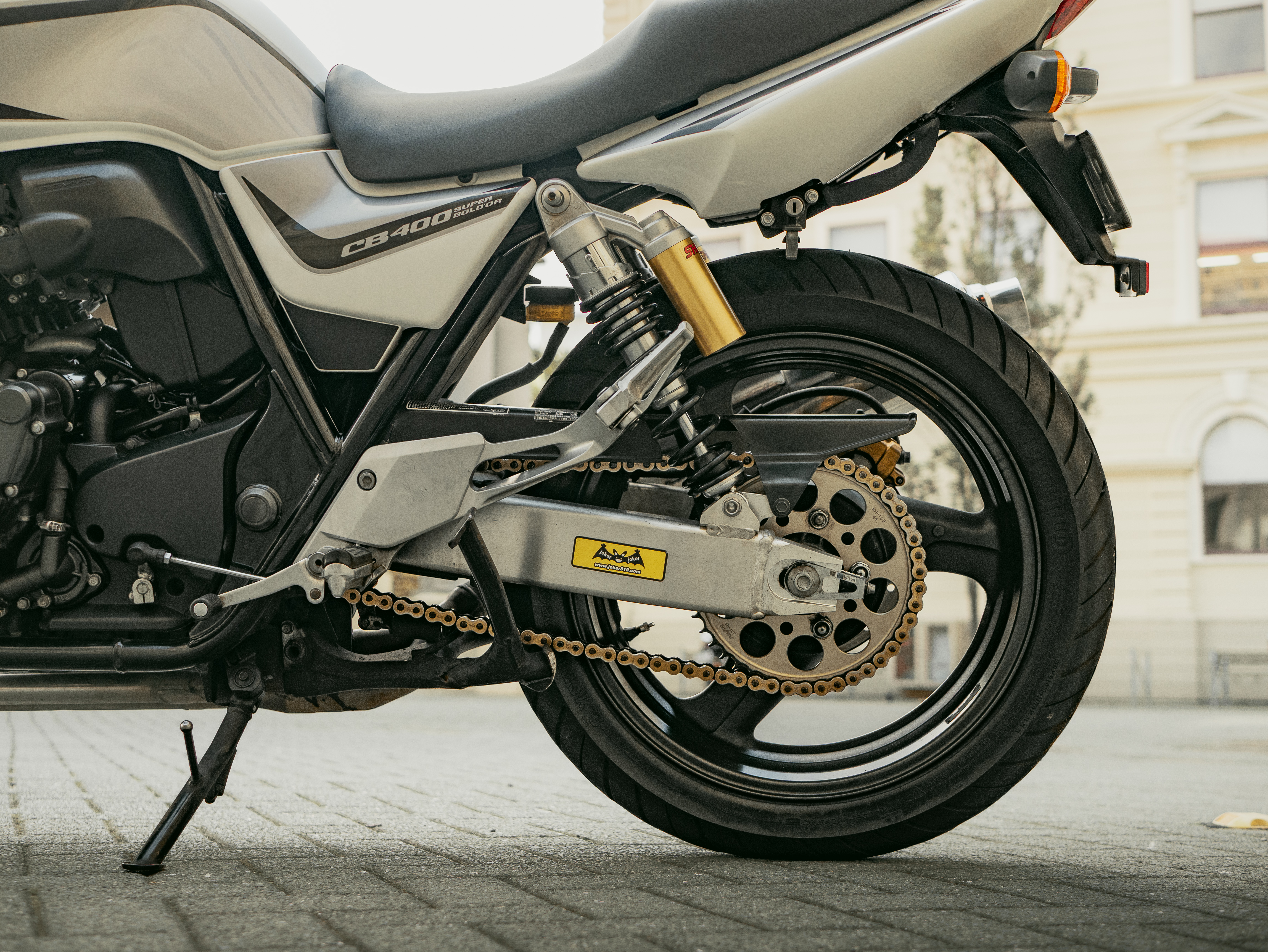
Rear suspension takes the form of a dual-shock set-up from Showa, with piggyback reservoirs and preload being adjustable. I found the suspension to be a pleasant surprise, handling corners and rough New Zealand roads with ease. As with most bikes, switching it out for aftermarket options will always improve handling and feel, but for everyday riding I would be happy with the stock units unless something happened to them! The gold adds a bit of bling to the rear as well, and compliments the sleek monochromatic palette with a dash of colour.
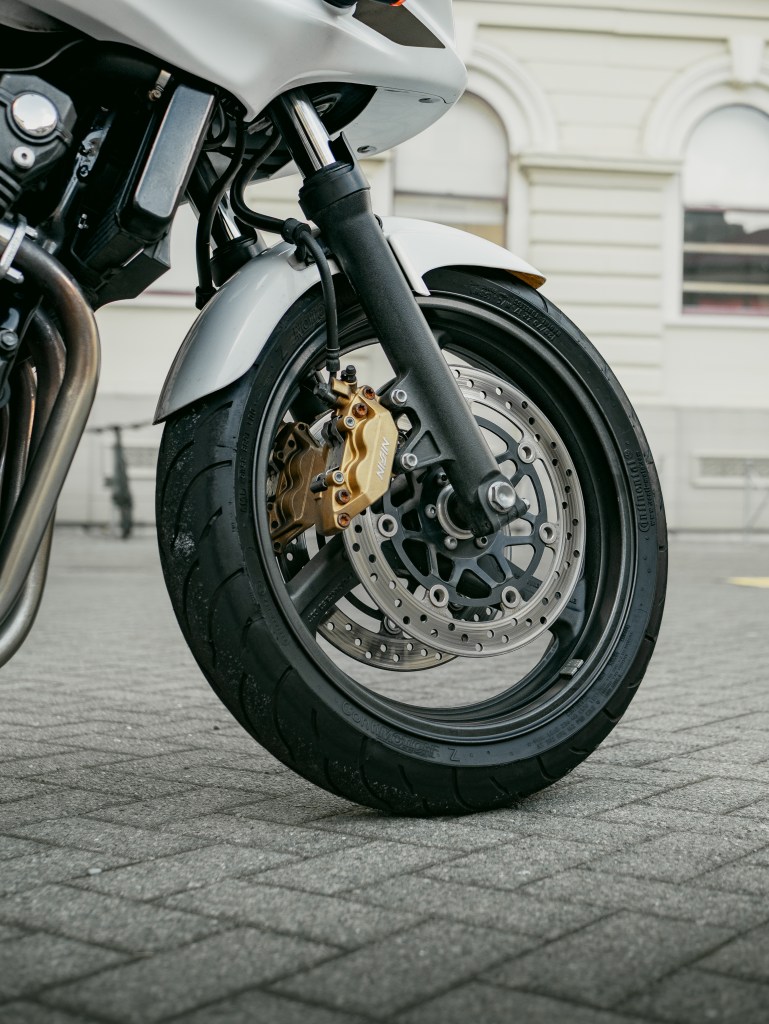
Same deal up front, with the 41mm Showa telescopic forks doing a great job for what they are. Especially considering other learner-friendly bikes in its class, the suspension provides more than ample performance for most uses.
Rider Aids
- None
ABS comes as the only notable rider aid — but only if you’d paid extra for the ABS edition when it first came out…
Unfortunately, this example is not fitted with ABS.
If having ABS makes or break a deal for you, make sure to check out the specific bike first. Having ABS as a safety net is something that benefits both learner riders and experienced riders alike, but safe braking is a skill that should be practiced regardless. Stopping capability is provided by a respectable 285mm dual-disc (front) with four-piston Nissin callipers, and a 235mm single disc in the rear. The brakes almost feel a bit overkill with similar spec callipers used on some bigger bikes like the CB1300, so I wouldn’t worry about not having enough!

The Honda Whirr
Through the stock 4-2-1 pipes, the engine sings in a very refined manner, providing a tame purr at low rpms and a rich wail as you approach redline. Given the fuel-injection, the throttle response is snappy, and it comes through in the exhaust note well. I’d heard from others that the stock pipes were infuriatingly quiet, but having heard this example I wonder if this has had some internal work done on it. Even with earplugs in at higher speeds, it still delivers a lovely symphony and doesn’t get tiring. There is a potential that a fully original pipe will be as quiet as people have mentioned, but I haven’t the opportunity to make that conclusion yet!
Final Thoughts
These are such an accomplished package across the board, and though I own one that is carbureted, the snappy response and practicality of the fuel-injected versions screams ‘a good buy’. Due to emissions regulations, Honda has since discontinued the Super Four/Super Bol D’or line as of October 2022, releasing some final editions as a last hurrah. Nice examples are a little hard to come by, but if you get the chance, have a test ride of one! You may love it or hate it… but if you’re hungry for a four-cylinder that looks and sounds good, the CB400 might be right up your alley.

Gallery