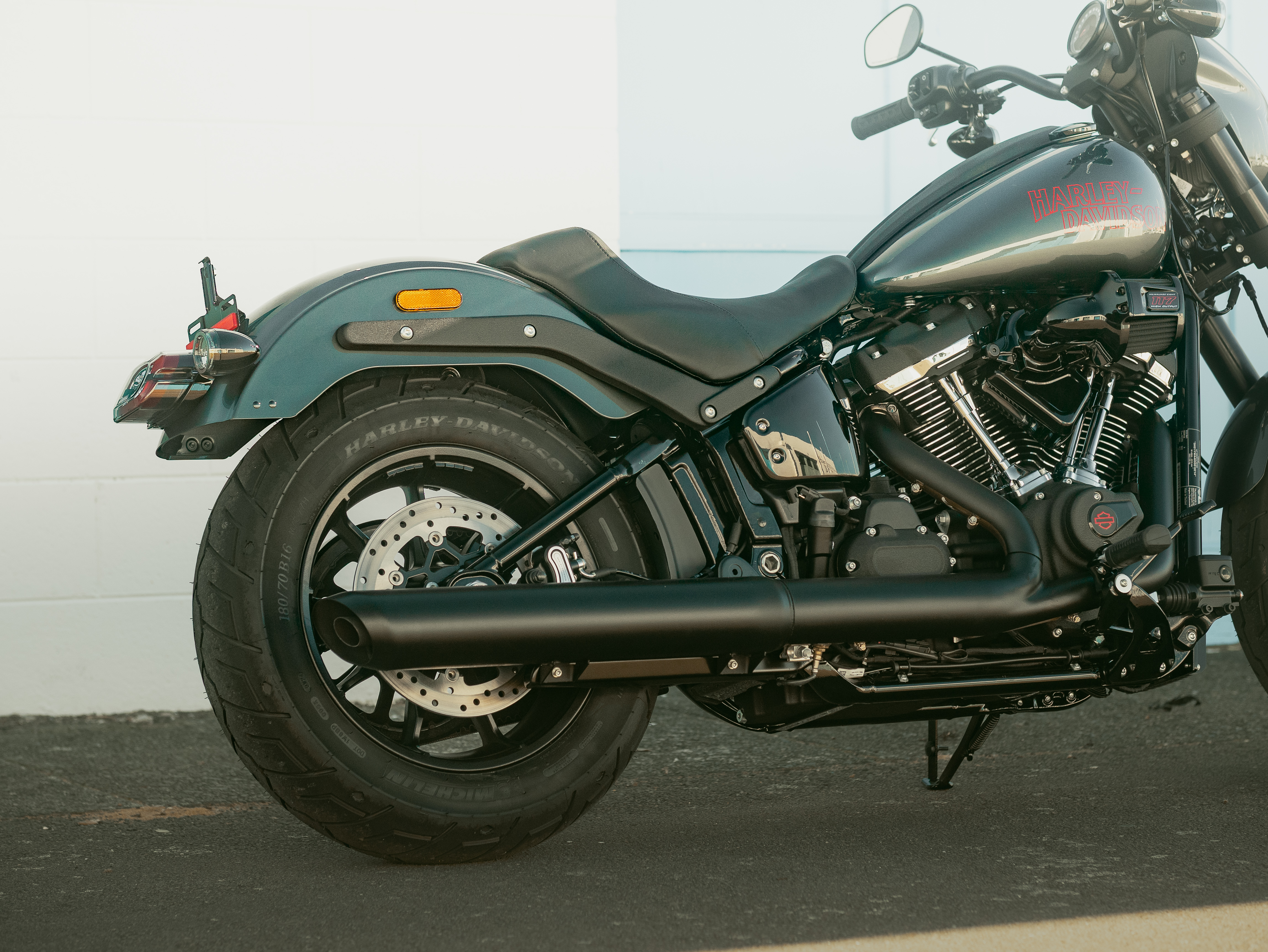
This 2025 Low Rider S was kindly provided by Capital Coast Harley-Davidson for a photoshoot and review. All opinions are my own, and this article was not reviewed or altered by the dealership before release.
Fitted with the new M8 117 High-Output engine, the sleek Low Rider S rolls into the block. It gained all the looks and compliments parked street-side, but let’s see how it performs!
Pure Performance — the 117 H.O.

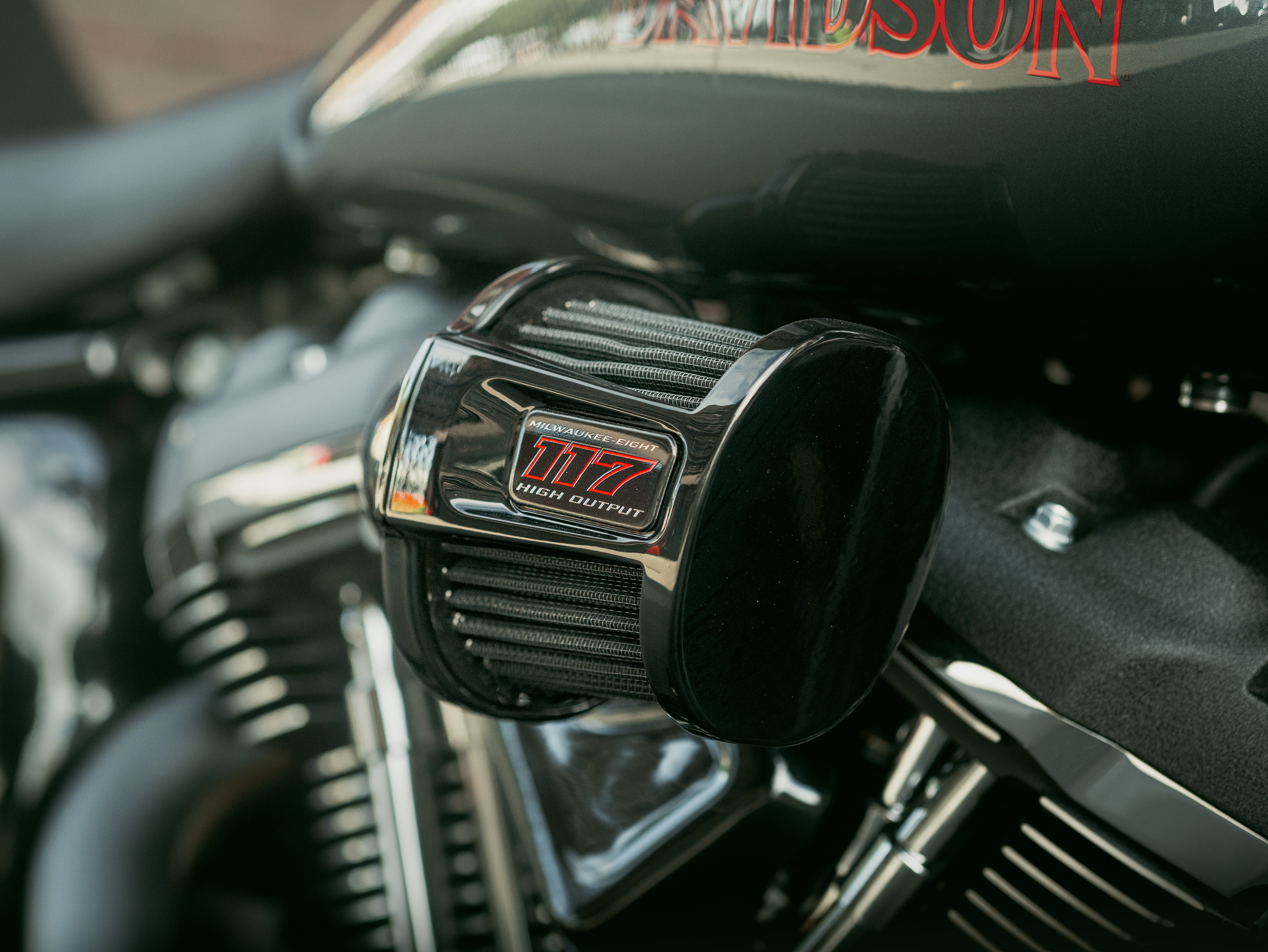
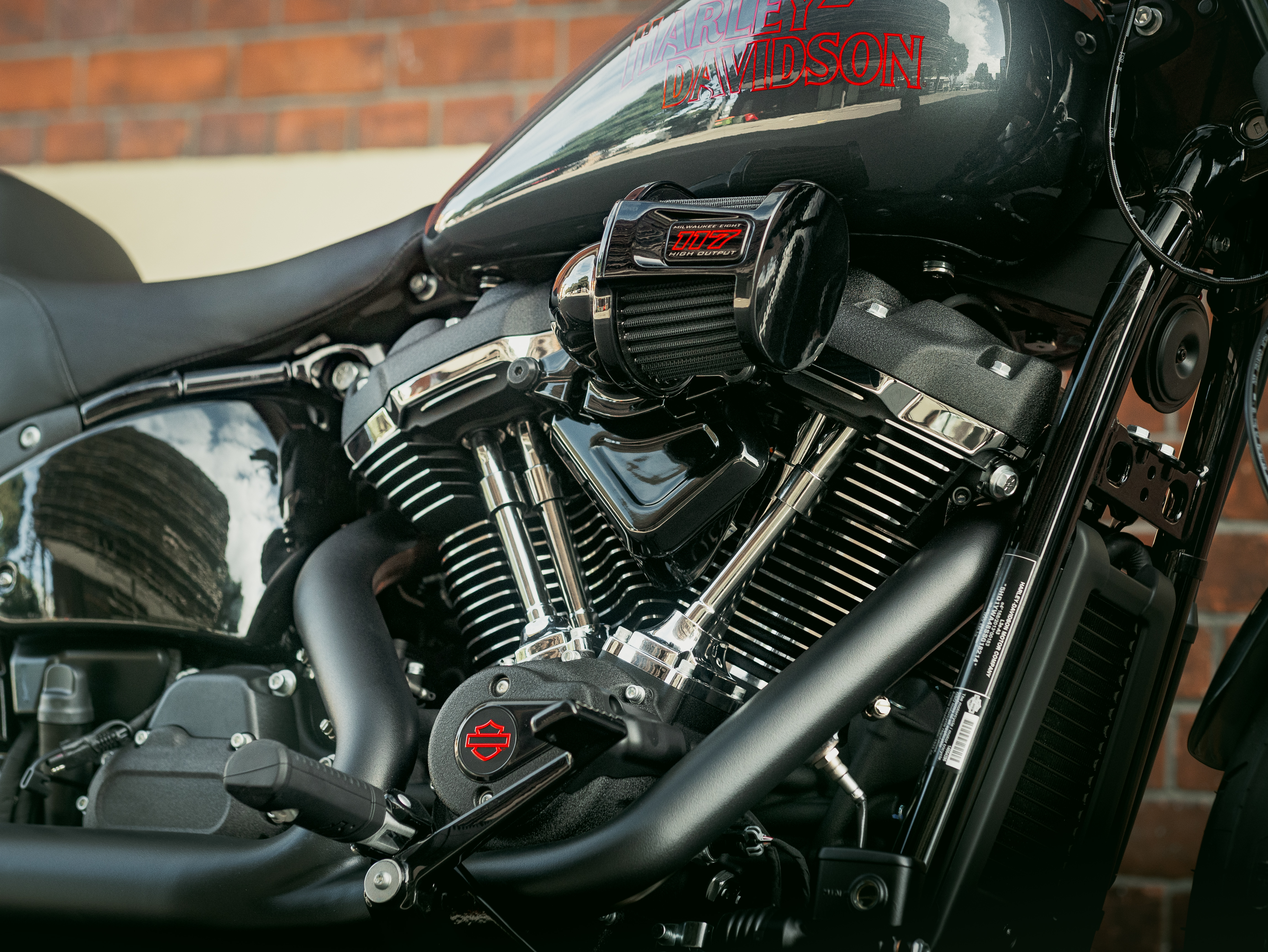
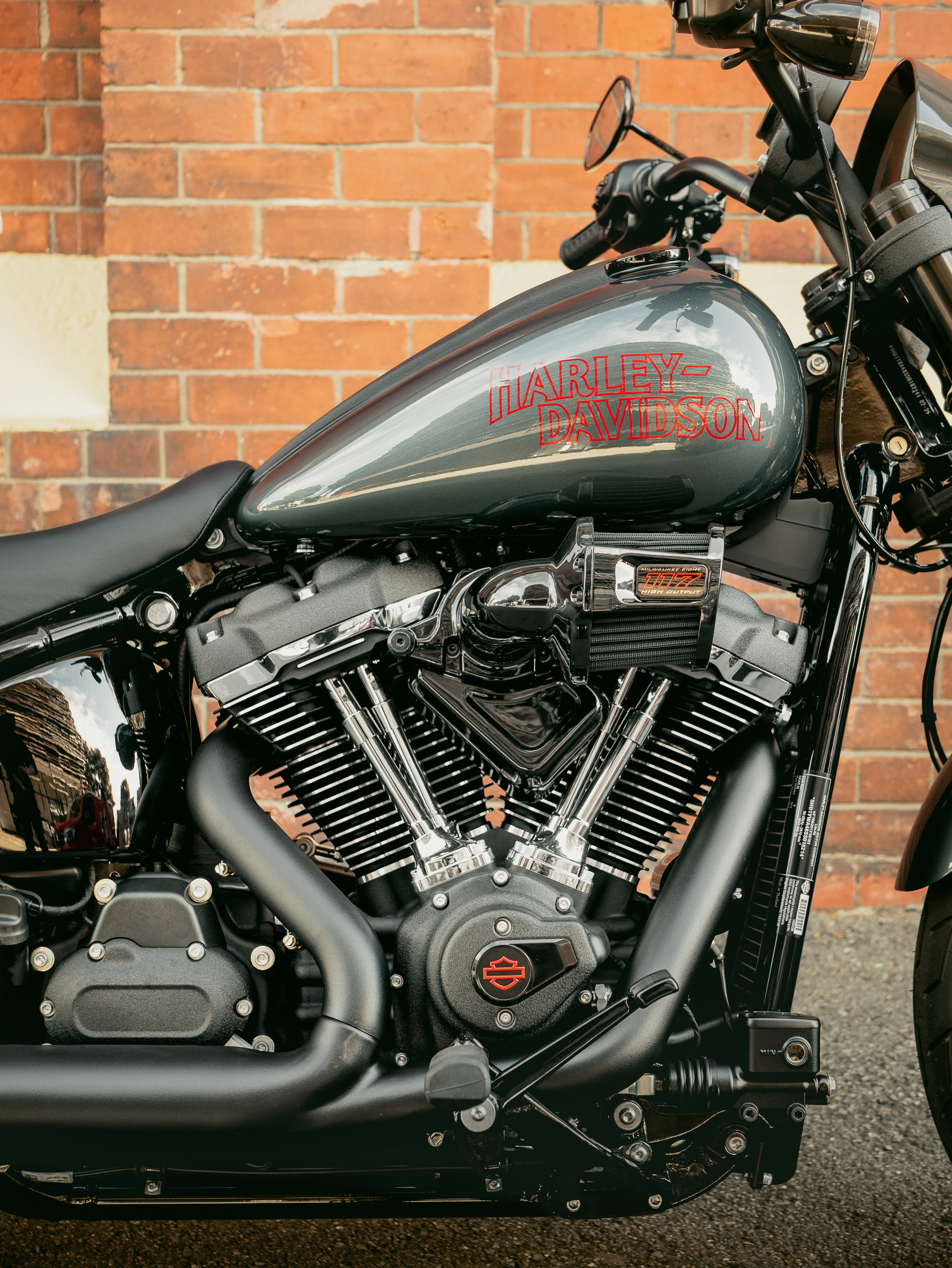
Powering both the Low Rider S and Low Rider ST for 2025 is the High-Output variant of the Milwaukee-Eight 117. Encouraging eager use of the upper rev-range, the H.O. engine utilises a slew of upgrades from factory to deliver a punchier ride. Compared to the standard 117, a freer-flowing air intake, 2-1 exhaust, and a high-performance SE8-511 camshaft provide all the necessary changes to send you down the road with more grunt.
On the spec sheet, the figures highlight a fair jump in power from 2024, with horsepower coming up from 103 hp to 114, and torque figures go from 167 Nm to 173 (128ft/lb). That’s oodles of juice to keep you going! It’s the highest performing M8 engine in the current line-up and physically places itself confidently within the slick lines of the bike. Borrowing from the CVO Road Glide ST (Milwaukee-Eight 121 H.O. Engine), the Low Rider houses a Screamin’ Eagle 511 camshaft — a Stage II part — and an elevated redline from 5600 to 5900 rpm. Not only do these components facilitate the bump up in power from the previous year, but mean you’re already getting some nifty Stage II parts from factory!
When pitted against the 117 of 2024, this engine allows for harder and higher-revving riding (as promised), with the power delivery still feeling practical at low rpm and plenty enjoyable once you rev it up. Ride modes are available as usual, with Road, Rain, and Sport as the trifecta.
Road mode offers a fairly predictable delivery of power, engine braking, and ABS intervention. For most, this will be the go-to. Rain modulates power based on loss of traction, and generally, the response feels dulled down. Sport is where the engine is freed up and all the possible parameters are dialled in to max — engine braking is aggressive, throttle response is snappy, and you’ve got power across the rev range.
To be honest, having flicked through all three ride modes during my test, I found myself leaning towards sticking to Sport. Even around town, it still felt plenty usable in its power. In comparison, the Sport Mode on the 2024 Road Glide felt a bit too snatchy to be practical around town. Then again, a tourer is more designed for the open road cruising and less of the inner-city.

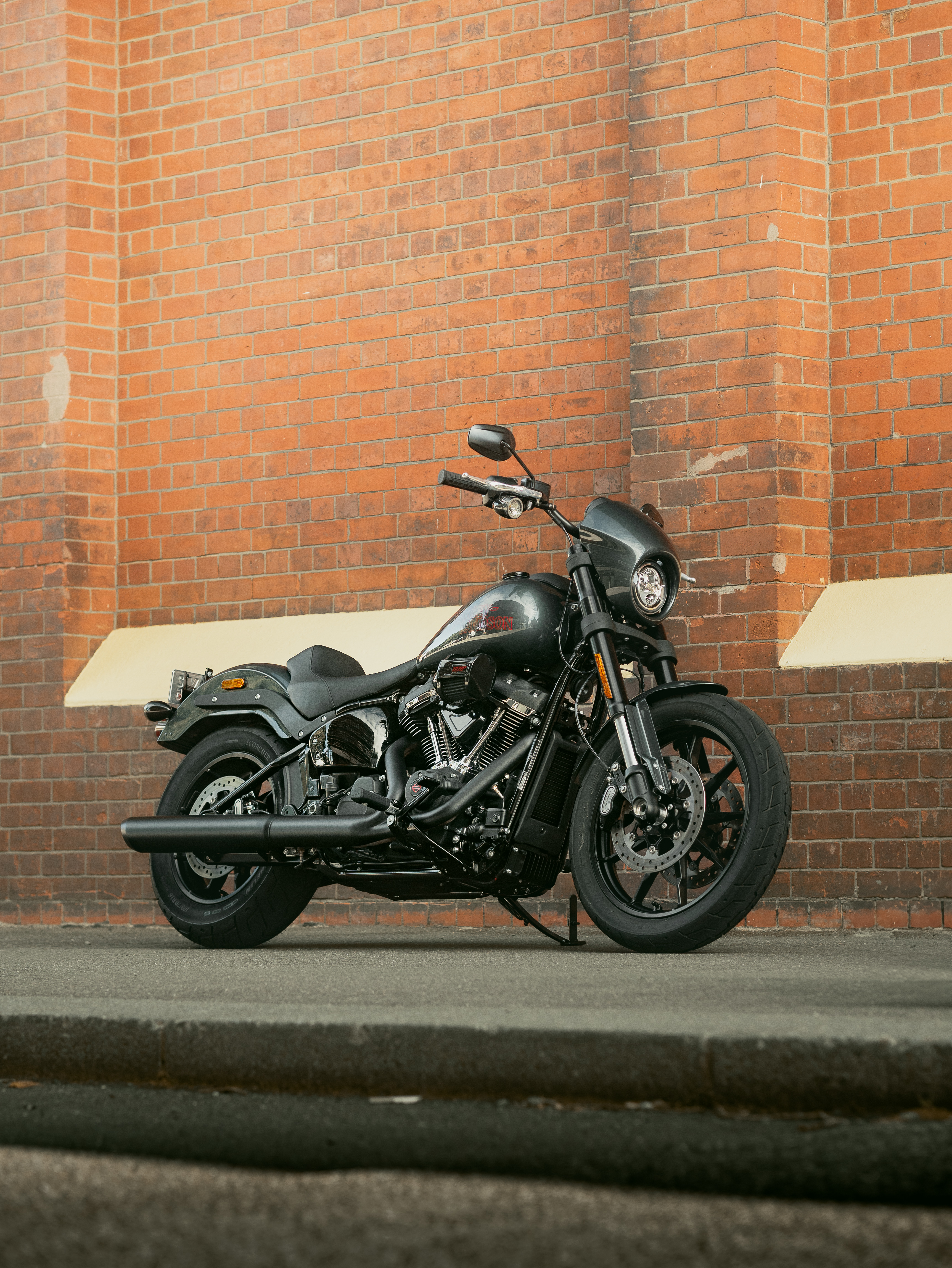
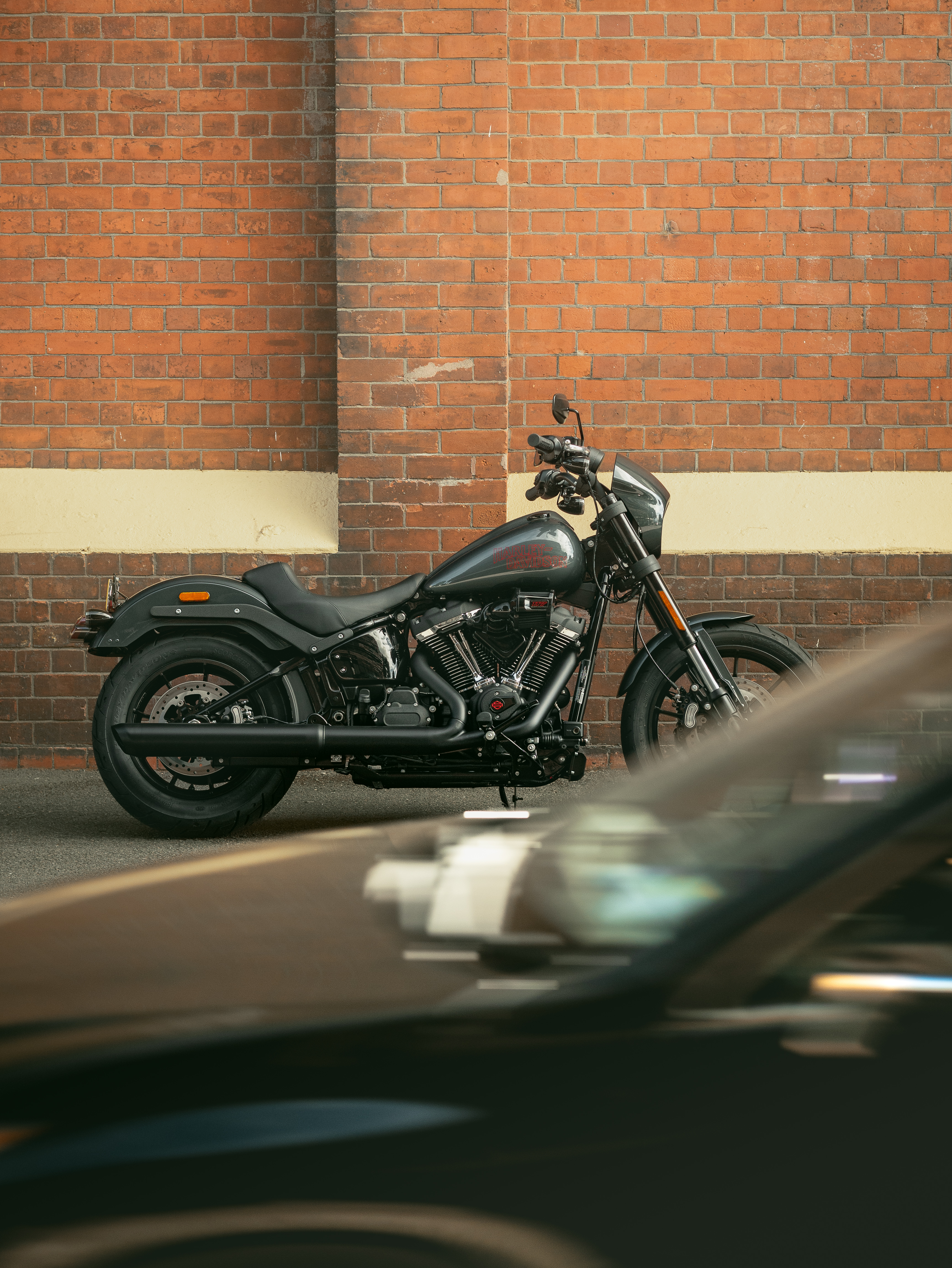
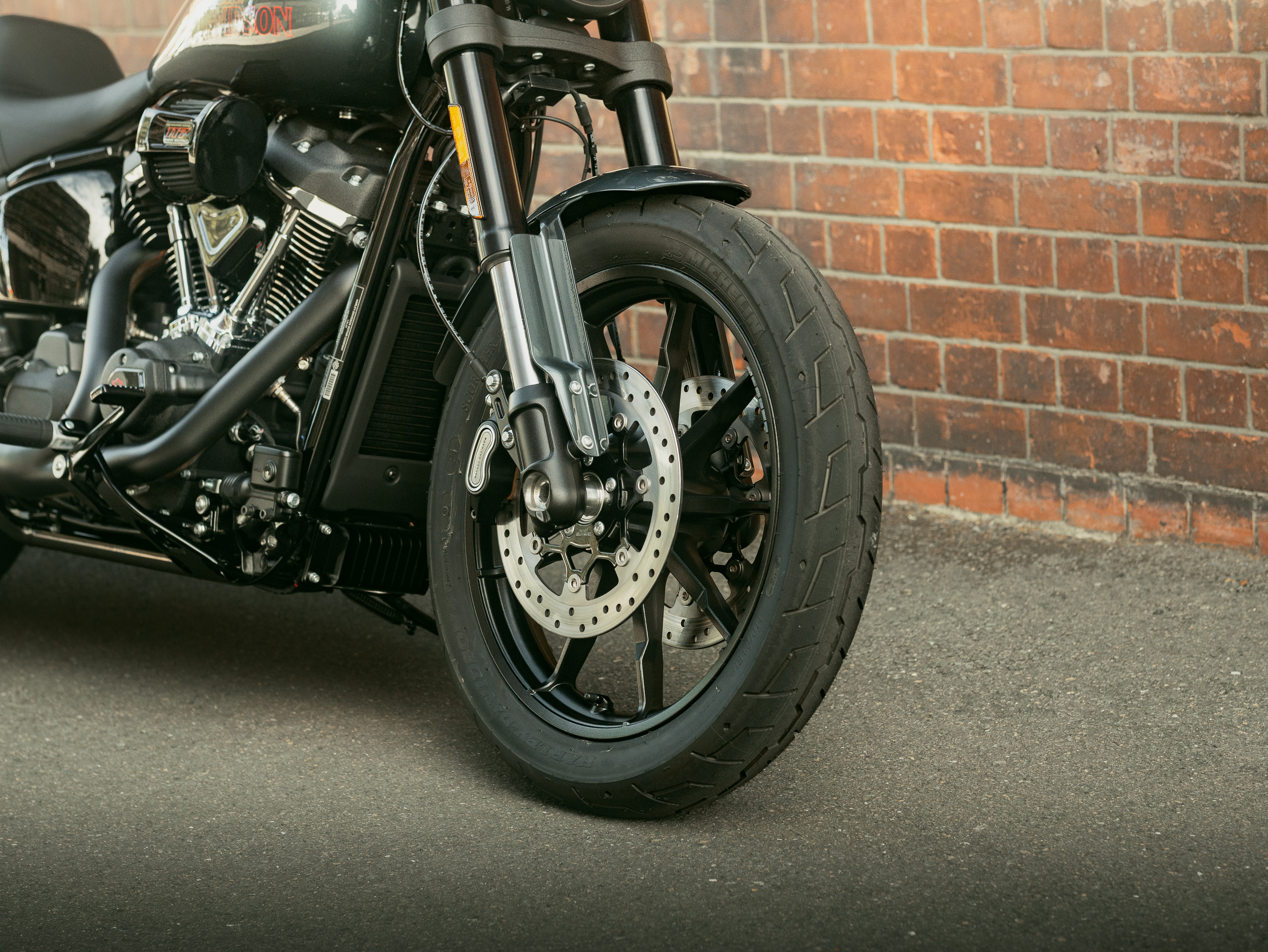
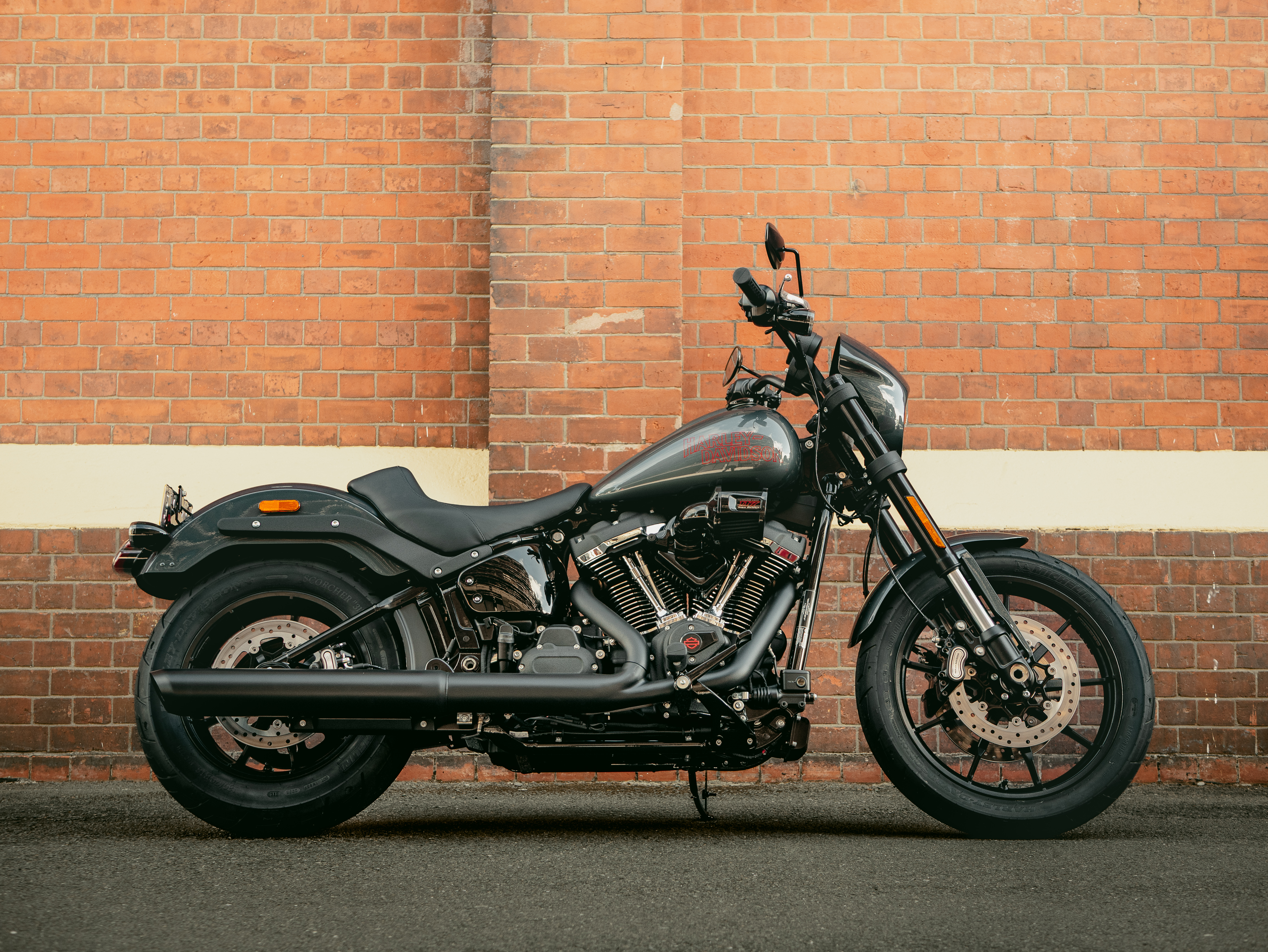
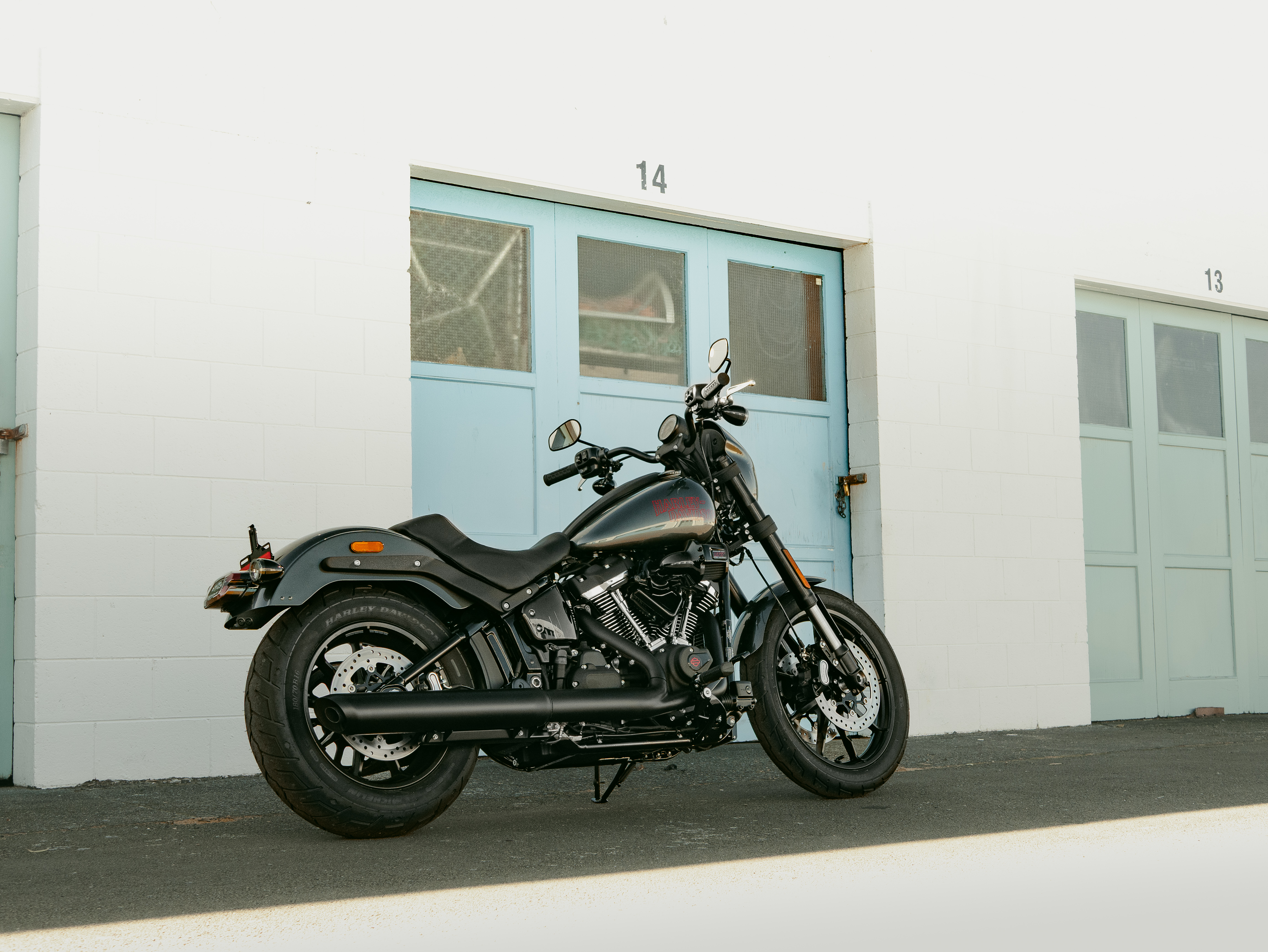
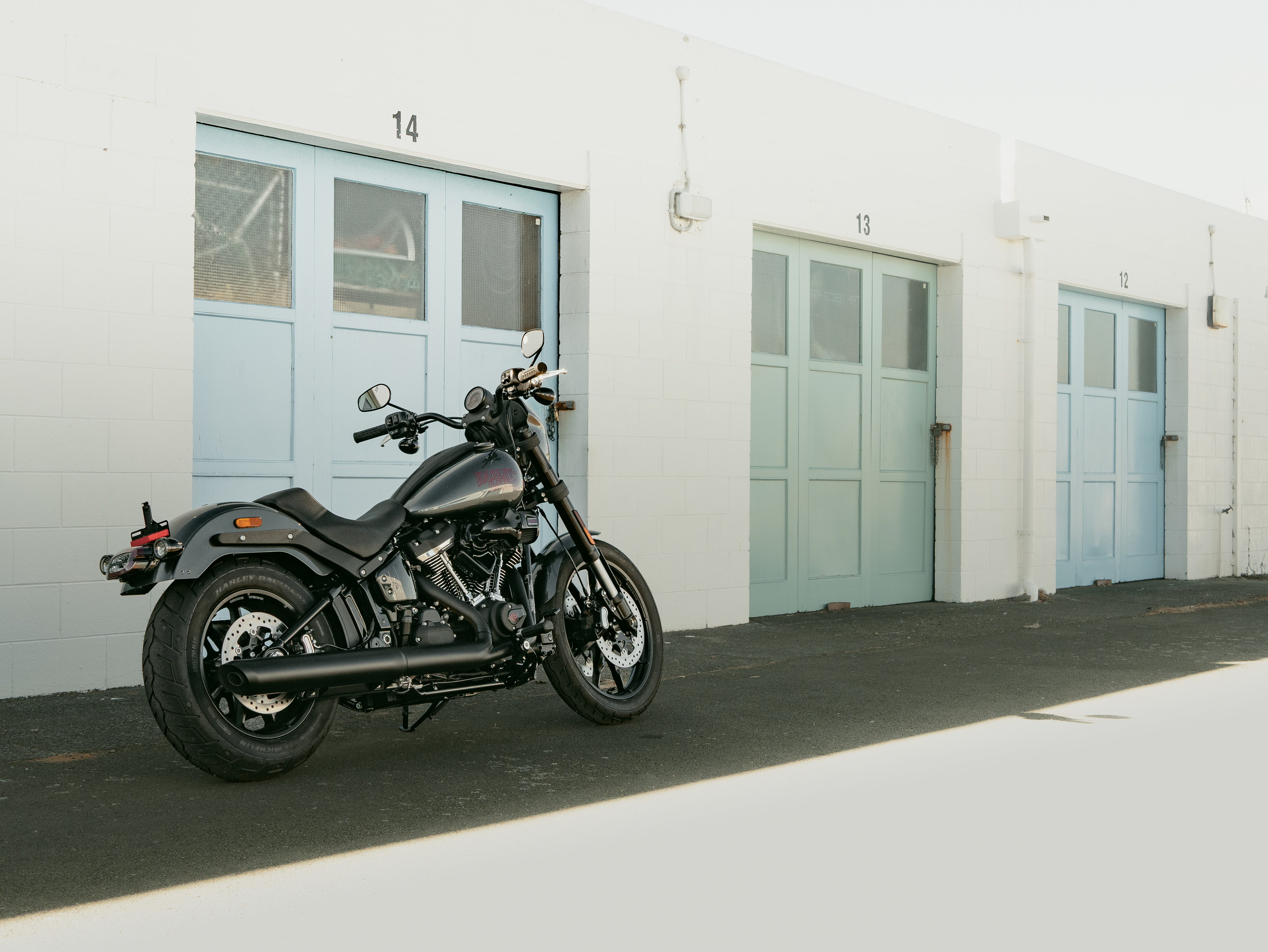
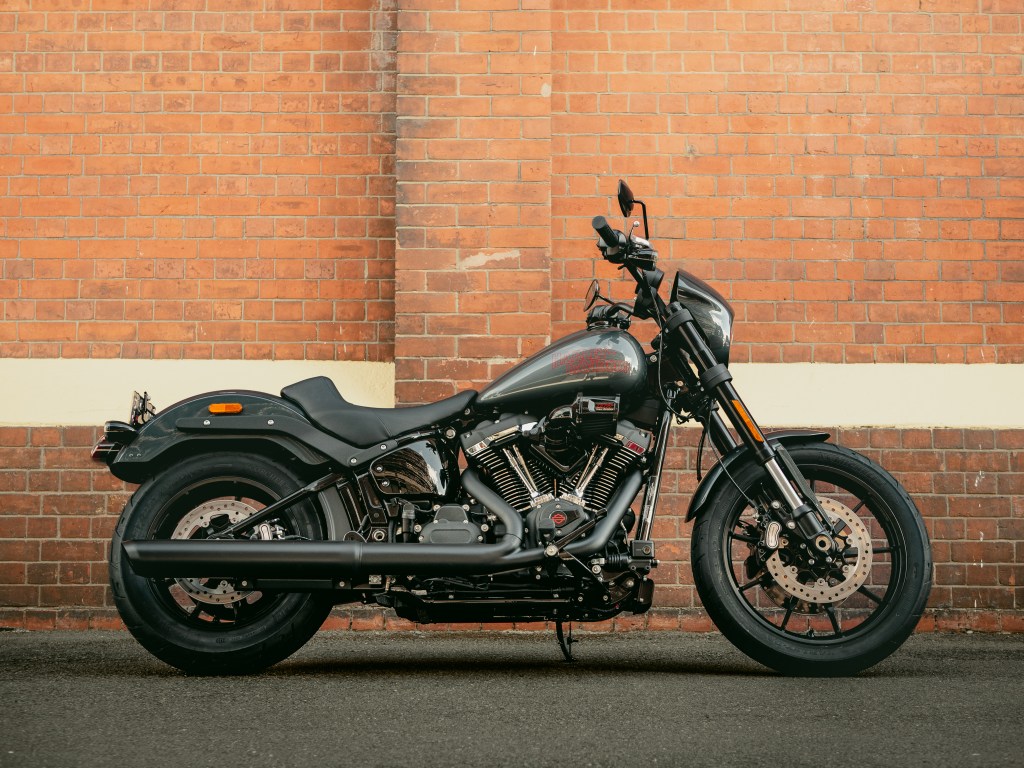
This example is in the highly sought-after Iron Horse Metallic — and as expected, attracted all the attention while it was parked up… The deep navy and the bright red are a killer combo!
Other colour options include: Vivid Black, Billiard Gray, Brilliant Red, and the new-for-2025 Mystic Shift (definitely check this colour out…).
All colourways come with Black Trim as the sole option.
Undeniable Class
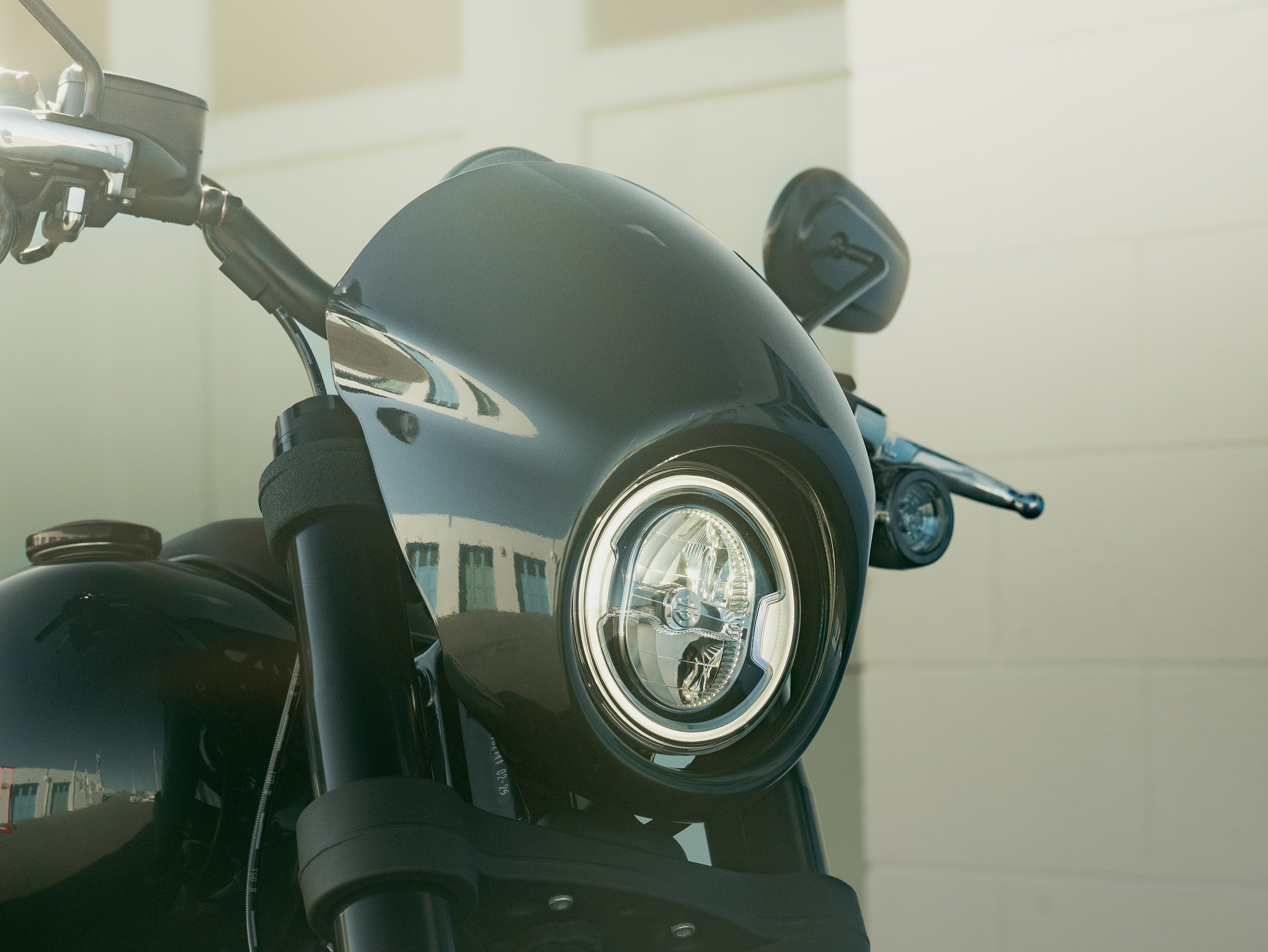
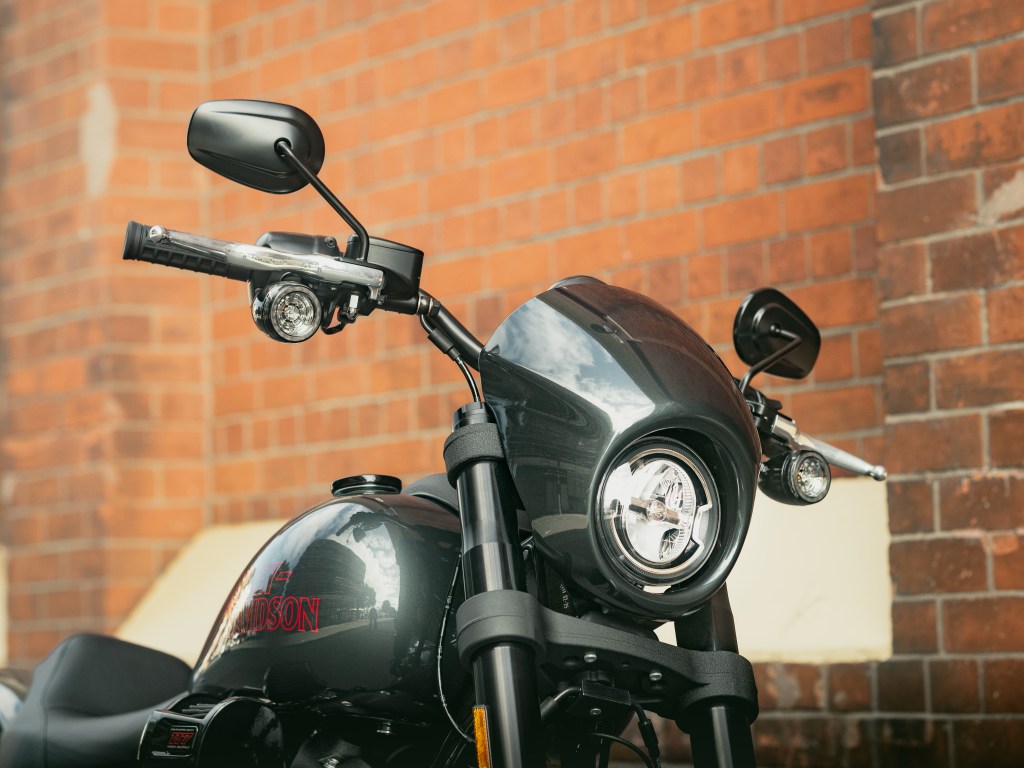
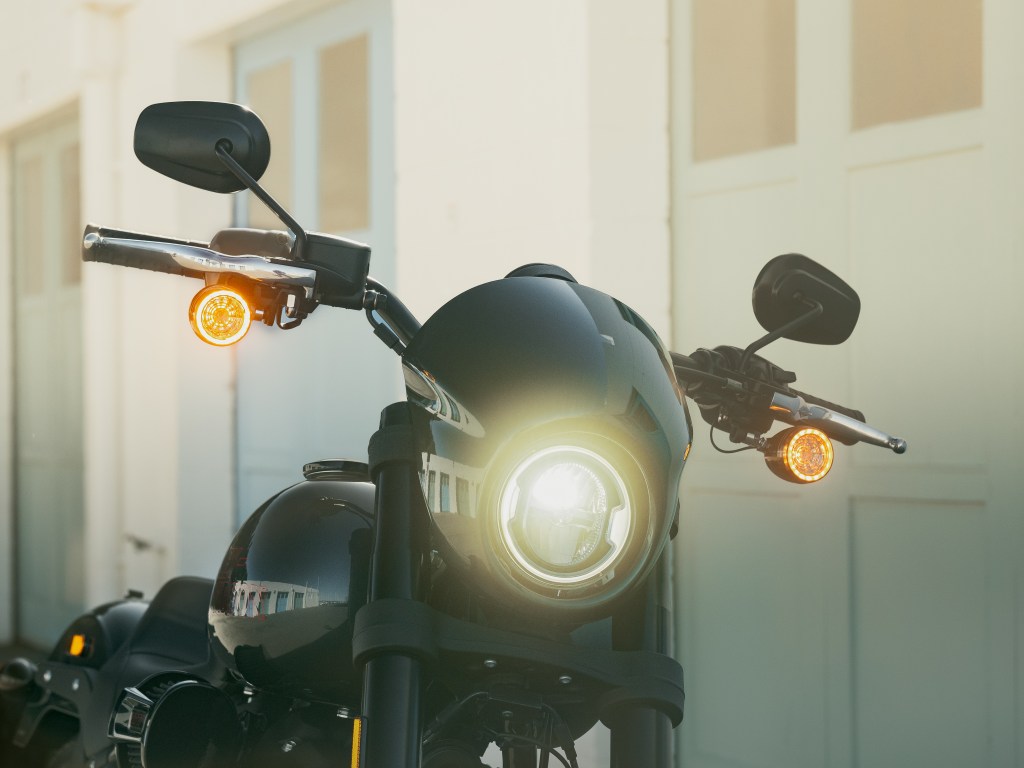
With its predominantly blacked-out style, the Low Rider S keeps it real simple. It’s refined. It’s stripped-back. It has the modern tech that you’d expect for 2025, but doesn’t make a show of it. Compared to the larger fairing of the ST variant, the S is led by a smaller headlight cowl that smoothens out the lines of the front, while also providing a tiny bit of wind deflection. I love the look of it, and though some may opt for different fairing options, it certainly looks ‘fuller’ than running without.
Lean and Mean — keeping the cockpit simple
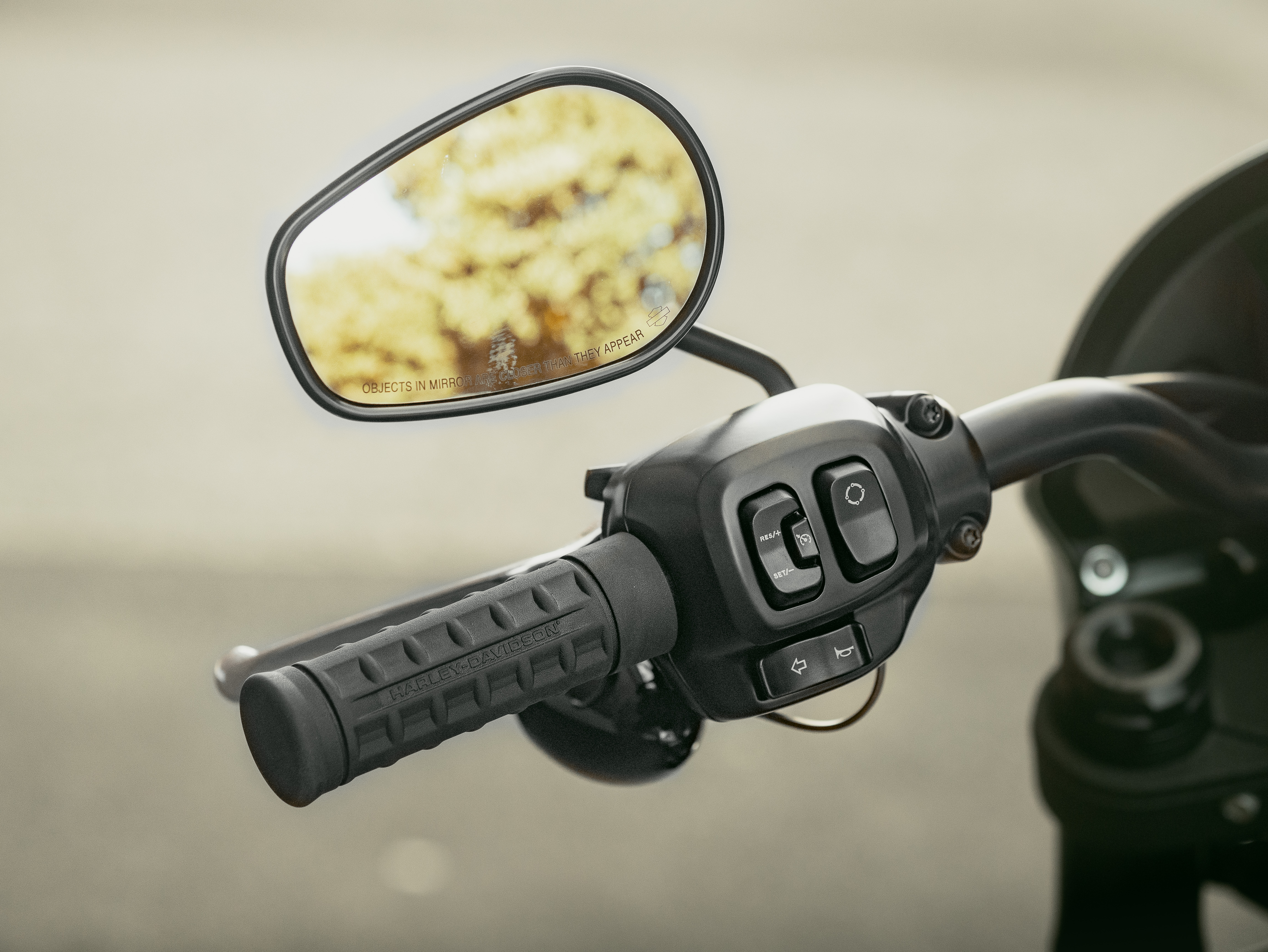
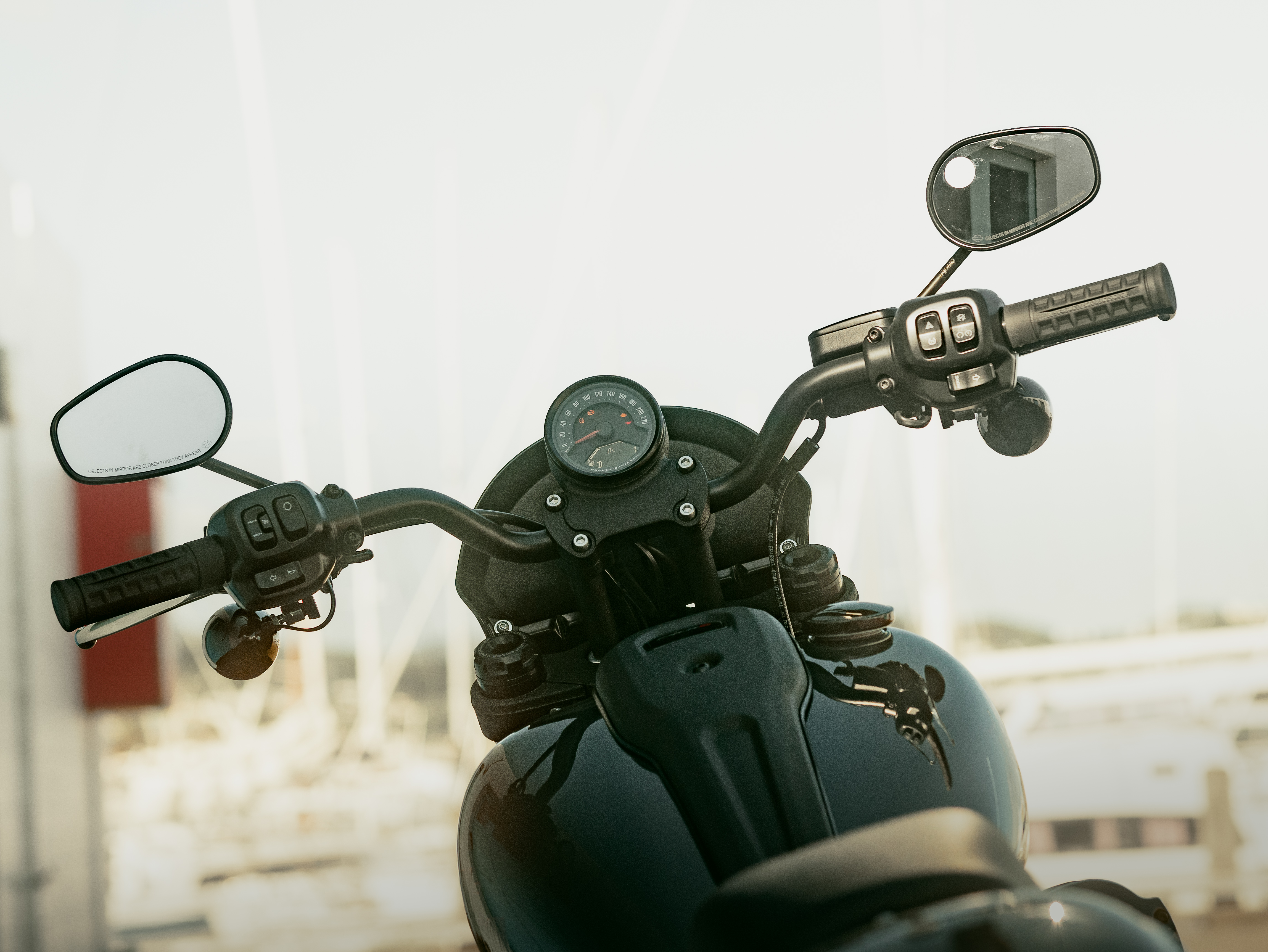
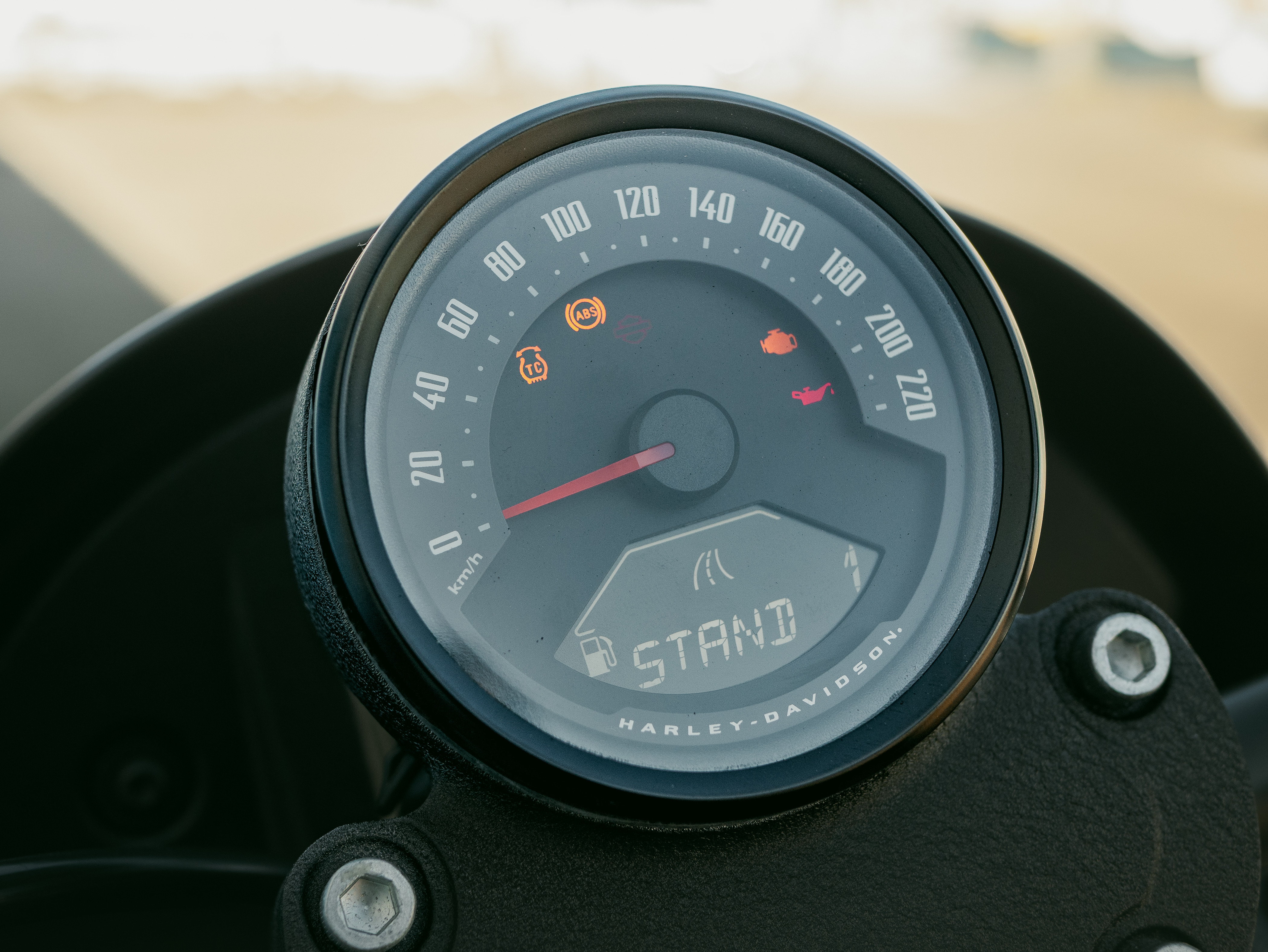
Compared to the whopping touchscreens of the Grand American Tourers, the Low Rider S basks in its simplicity. Populating the dash is a single dial, offering an analogue speedometer and a small digital readout for all the other info bits. Speed is easy to read, and the needle soars up with every cheeky twist of the wrist. The LCD readout presents a fuel gauge, ride modes, a gear indicator, a side stand indicator, TCS, ABS, tire pressure, cruise control, a clock, an odometer, and two trip meters. Warning lights are easily visible in most light, and aid in the showcase of premium build quality.
I appreciate a dash like this — one that succeeds in the minimal, and executes it cleanly. There isn’t any unnecessary fluff, while retaining the practicality and sheer quantity of information available to you as a rider.
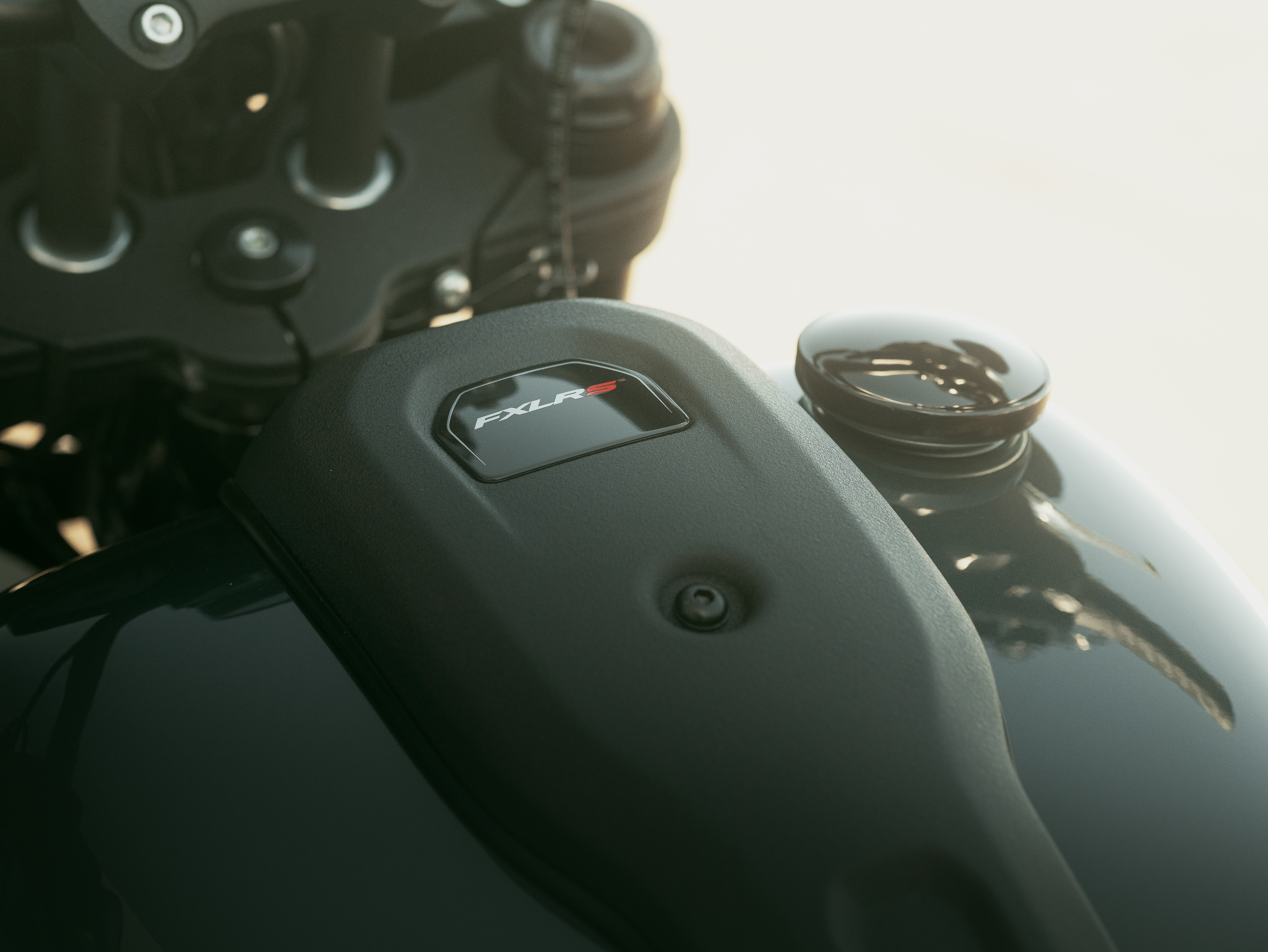
Off to the right is the fuel cap, housing an entrance to a healthy 18.9L fuel tank. With a touted 5.6L/100 km fuel economy stat, it should get you far, but we all know the discrepancies with factory fuel economy and what we actually get. To add to it, the High-Output 117 is not going to encourage ‘economical’ riding…

Low-slung Comfort
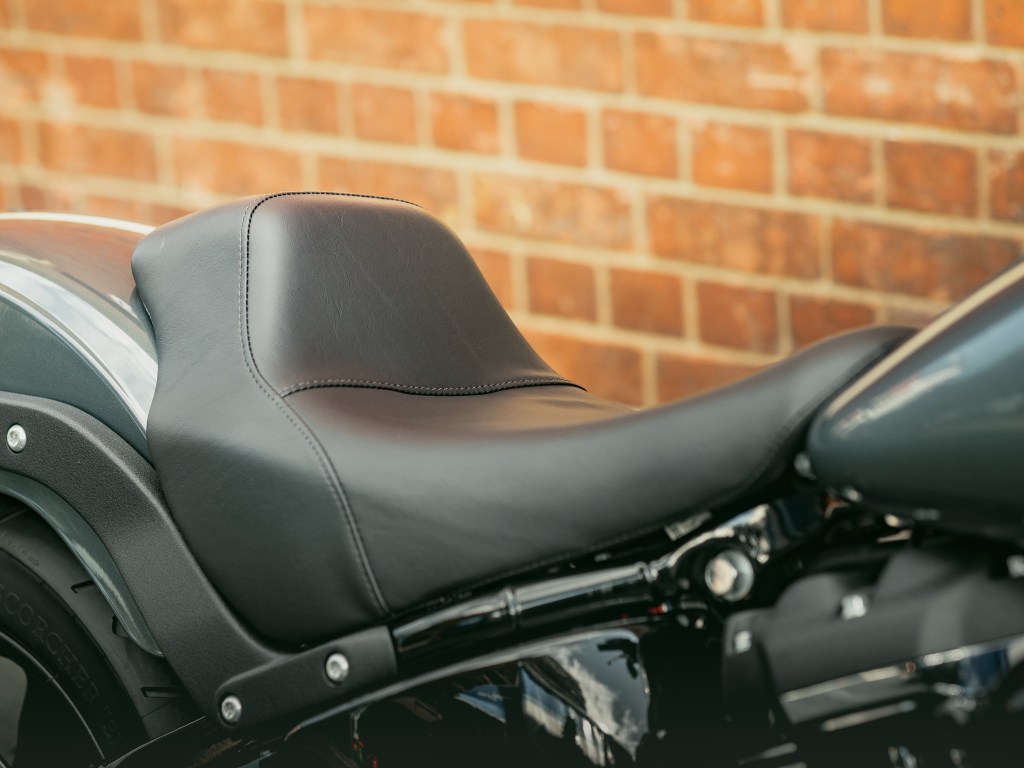
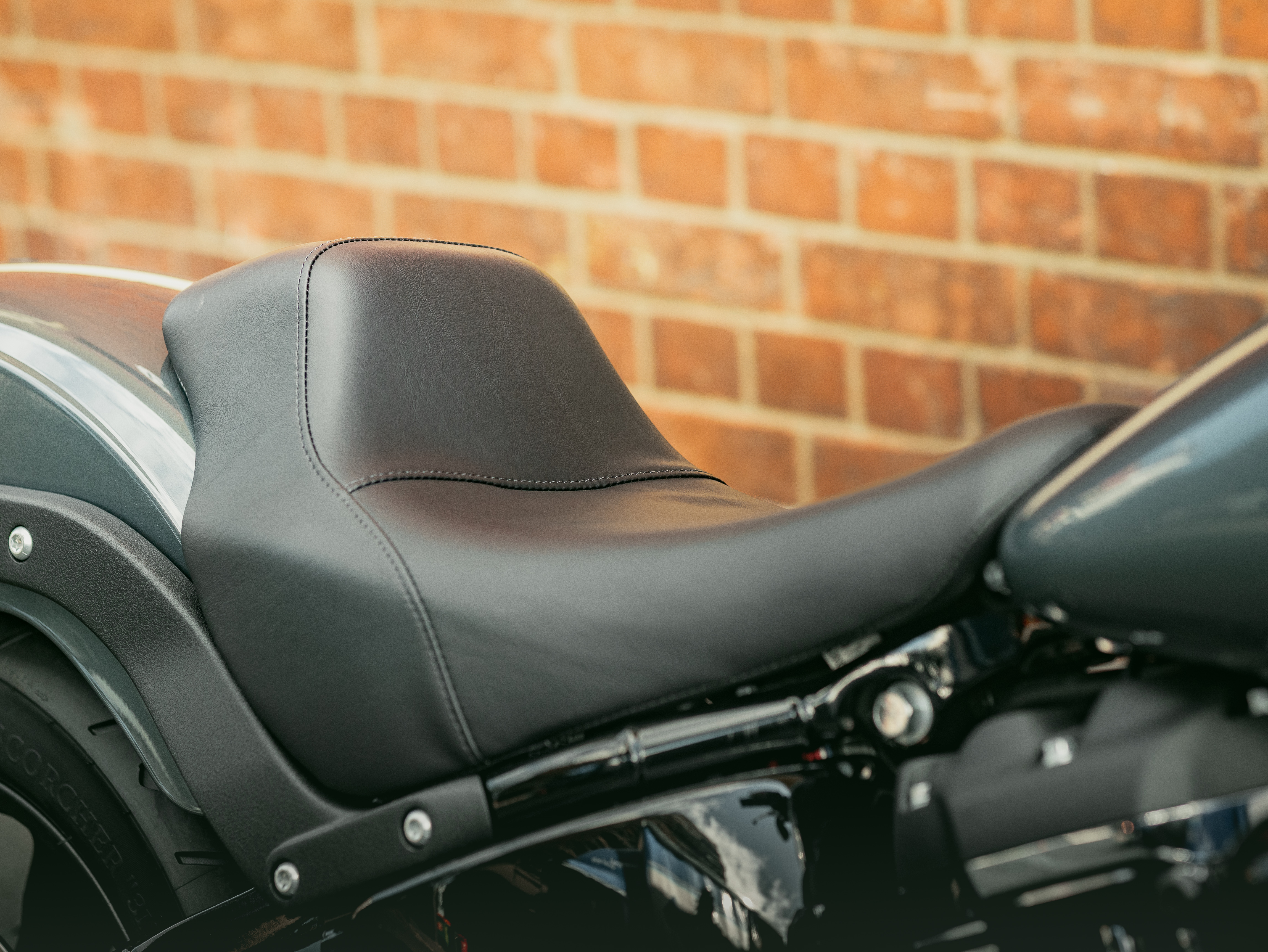
Kitted with a steep-backed solo seat, the riding position feels supportive and gives you a bit to lean up against when the throttle is wide open. It’s sleek enough as a stock option, but for most, this will likely be switched out for another from the expansive selection of options in the catalogue. Physical plushness is more than ample, but it’s the low seat height of 715mm (28.1″) that reinforces the comfort overall, with easy reach to the ground.
With a 304 kg wet weight, the Low Rider S is certainly not a ‘light’ bike by any means, but it is considerably more manageable than the heavyweight tourers. The centre of gravity is low, and lets you navigate tighter streets and start-stop traffic with much more ease.
Ground clearance is 145mm, taller than previous models, and reasonably good for a cruiser. Yeah, it isn’t going to tip in and lean like a sports bike (or even some sportier cruisers for that matter), but canyon carving isn’t why you’re here. Having whipped this around some decent compound corners, I was surprised by the freedom of being able to lean it over a little more than you would for something similar. It commands the corners great, and I think some acknowledgement needs to be made, given these bikes are designed to spend more time upright than they are leaned over.
Rider Aids
- ABS Anti-lock Braking System (+Cornering)
- TCS Traction Control System (+Cornering)
- DSCS – Drag-torque Slip Control System (+Cornering)
- Tire Pressure Monitoring System
Lighting up the streets
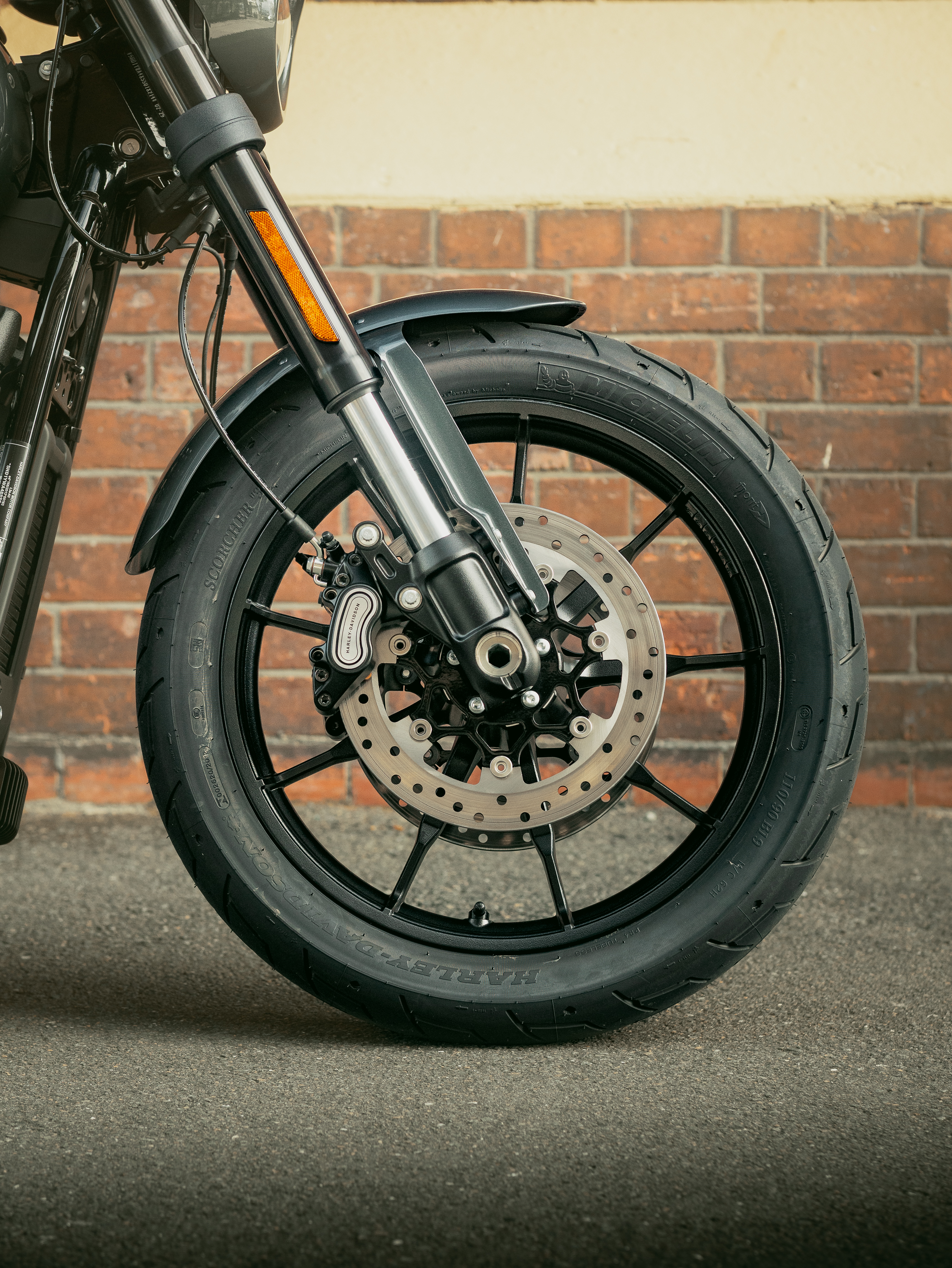
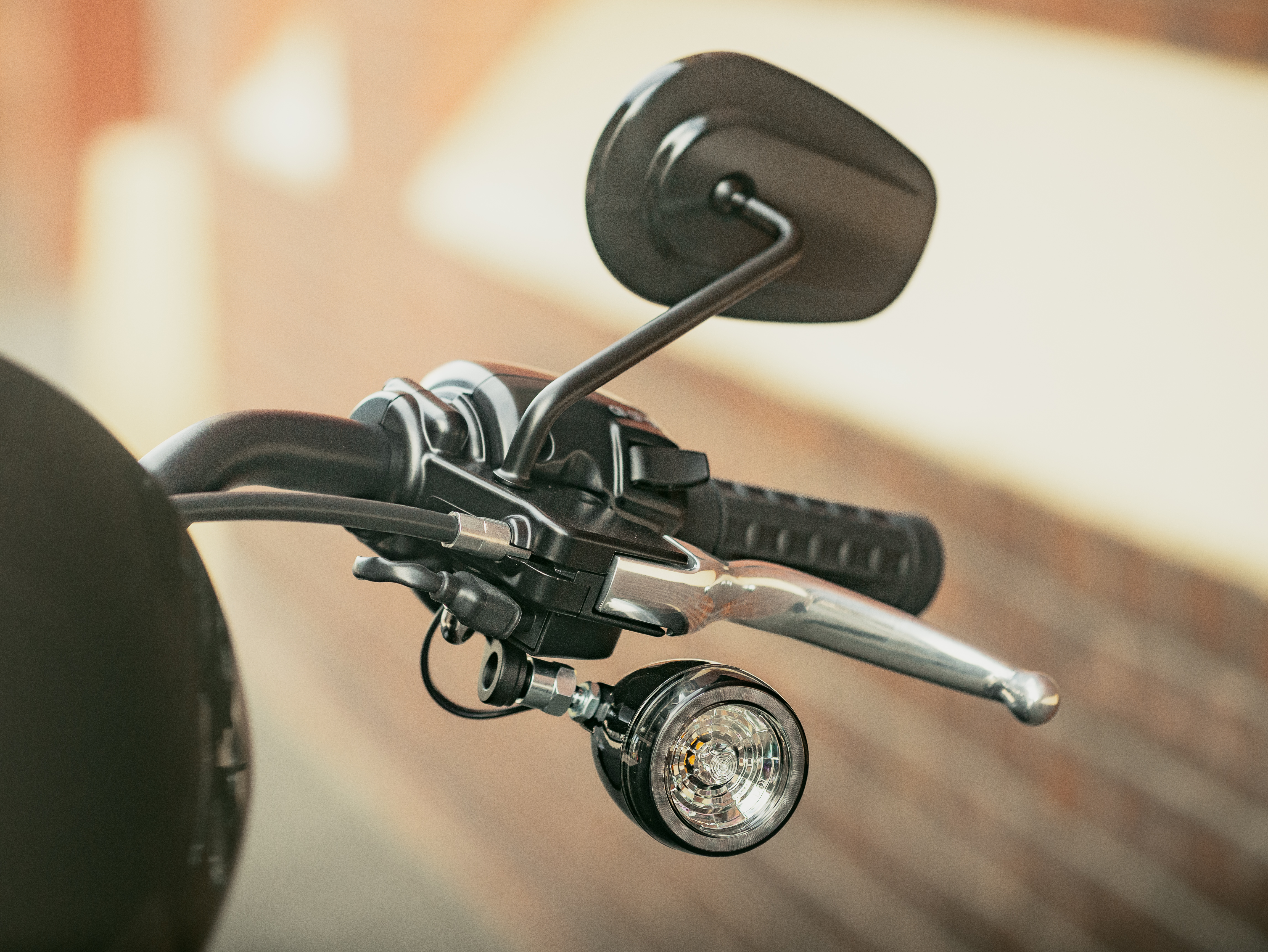
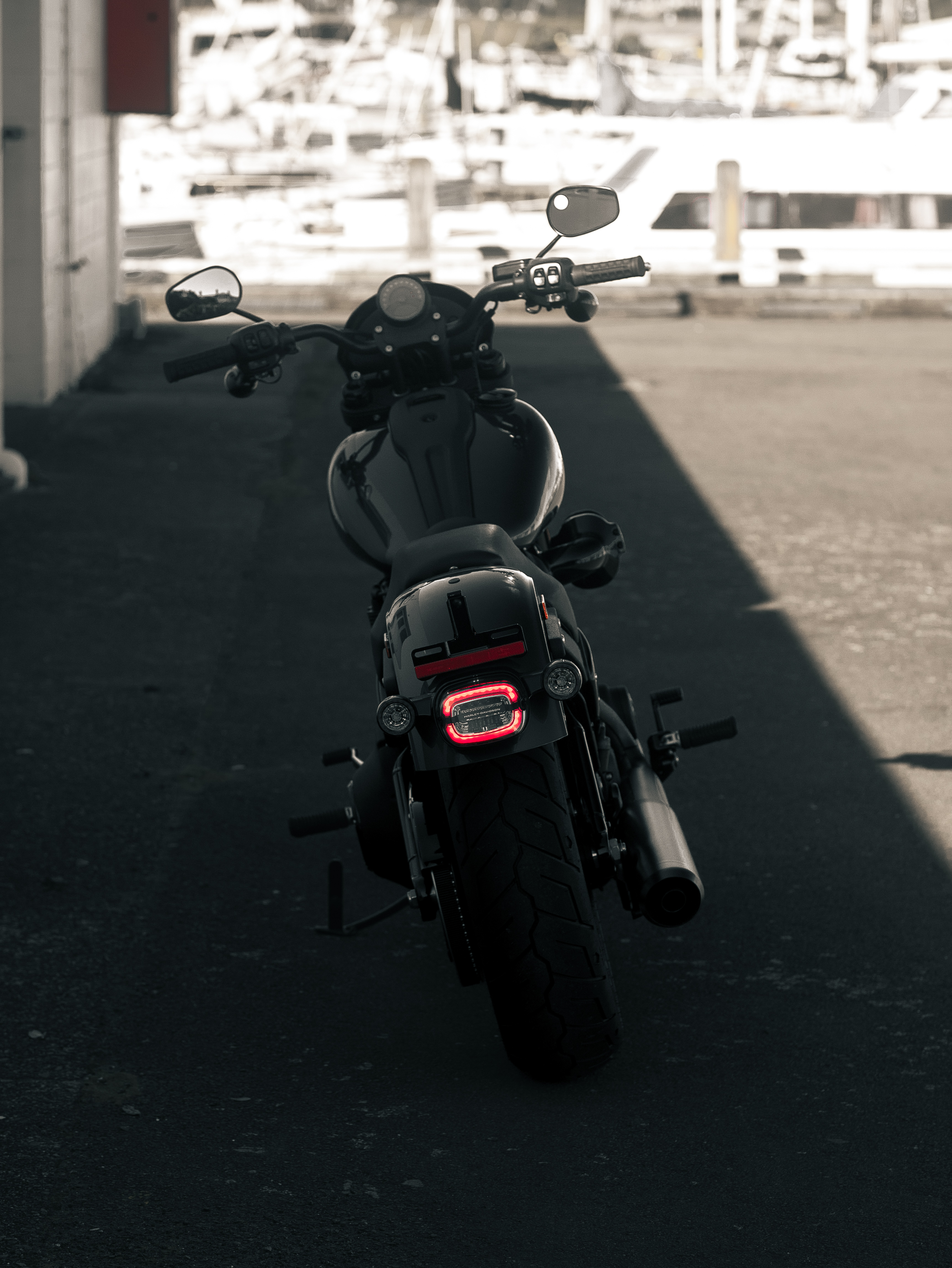
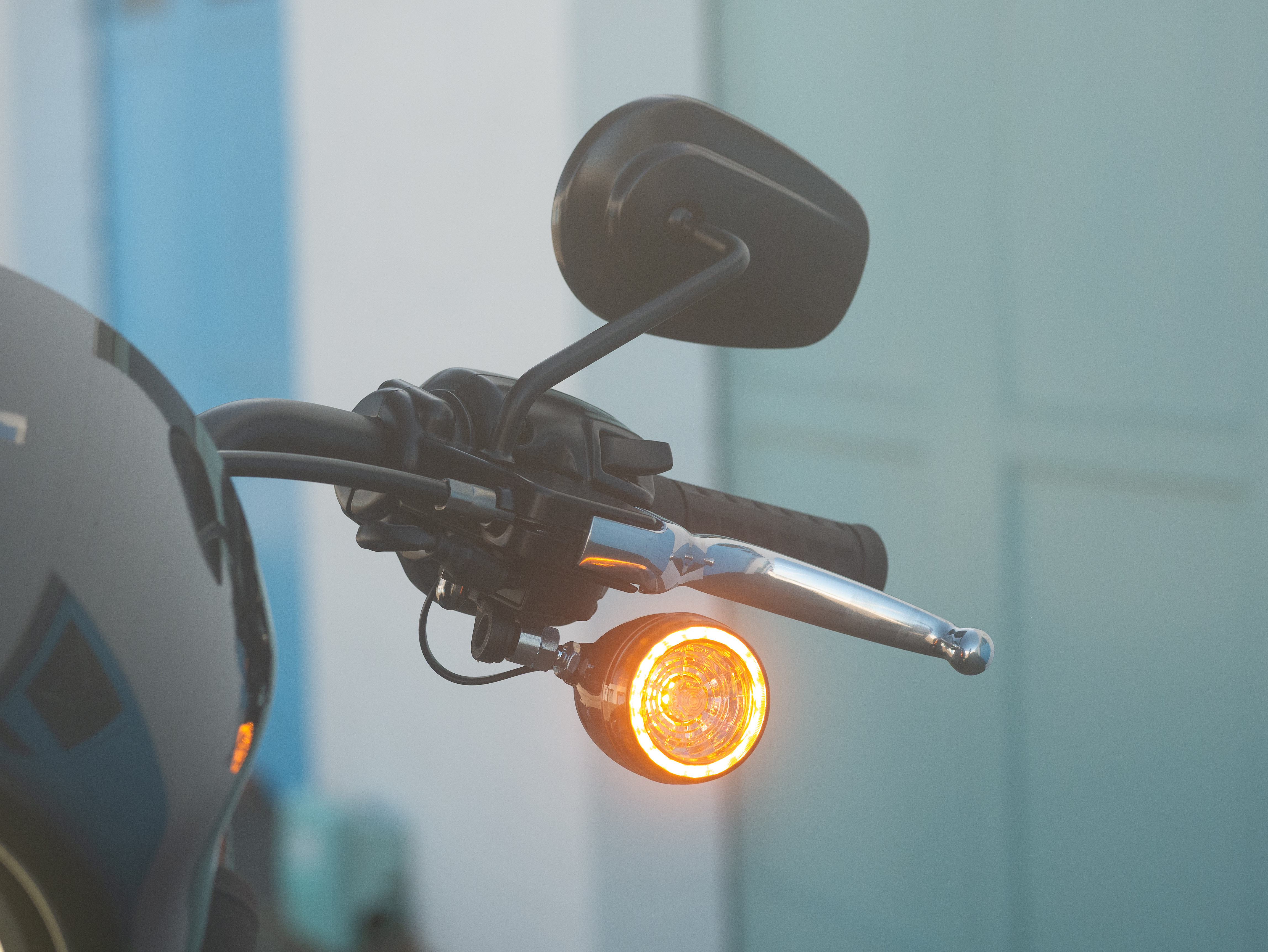
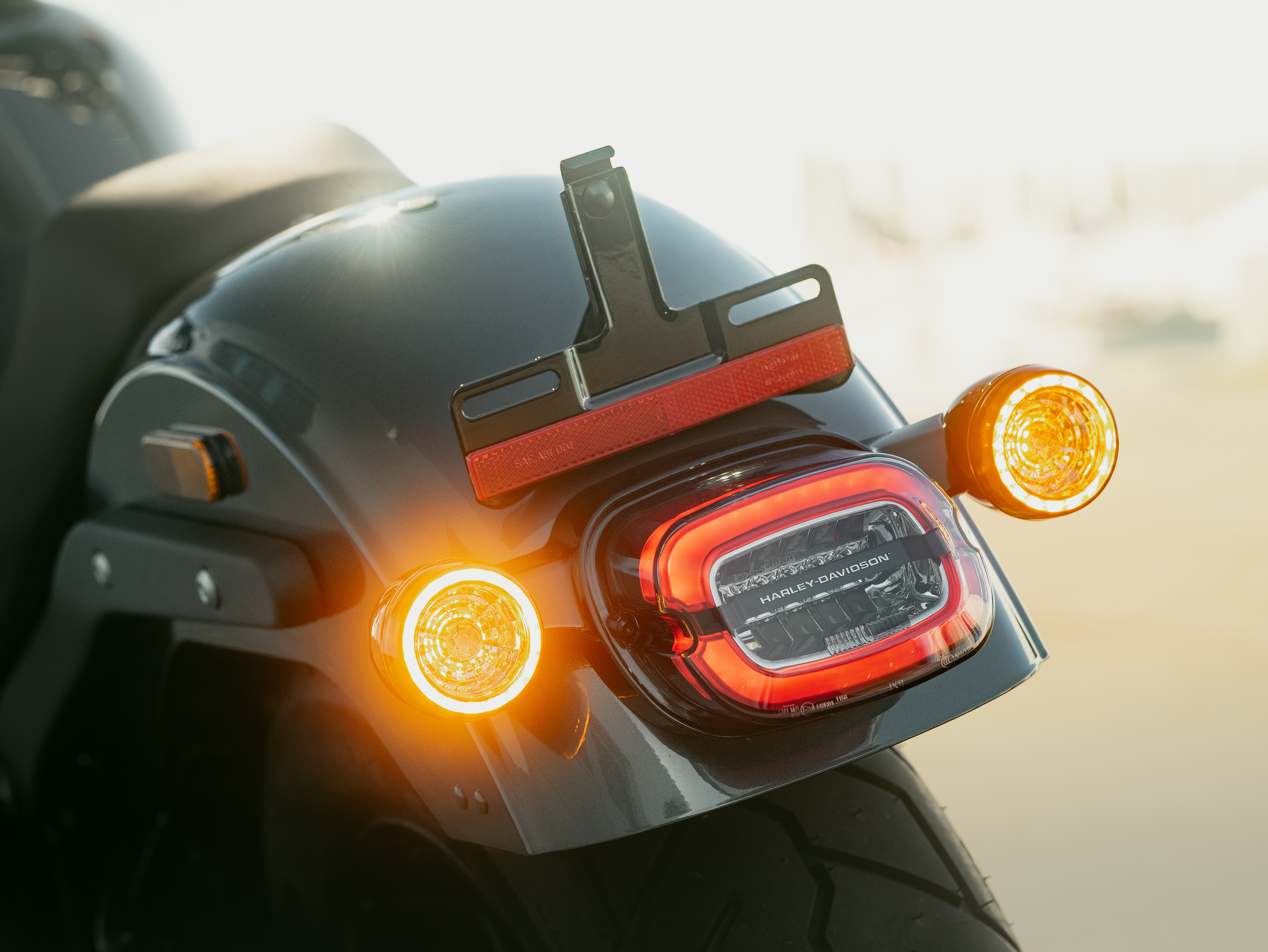
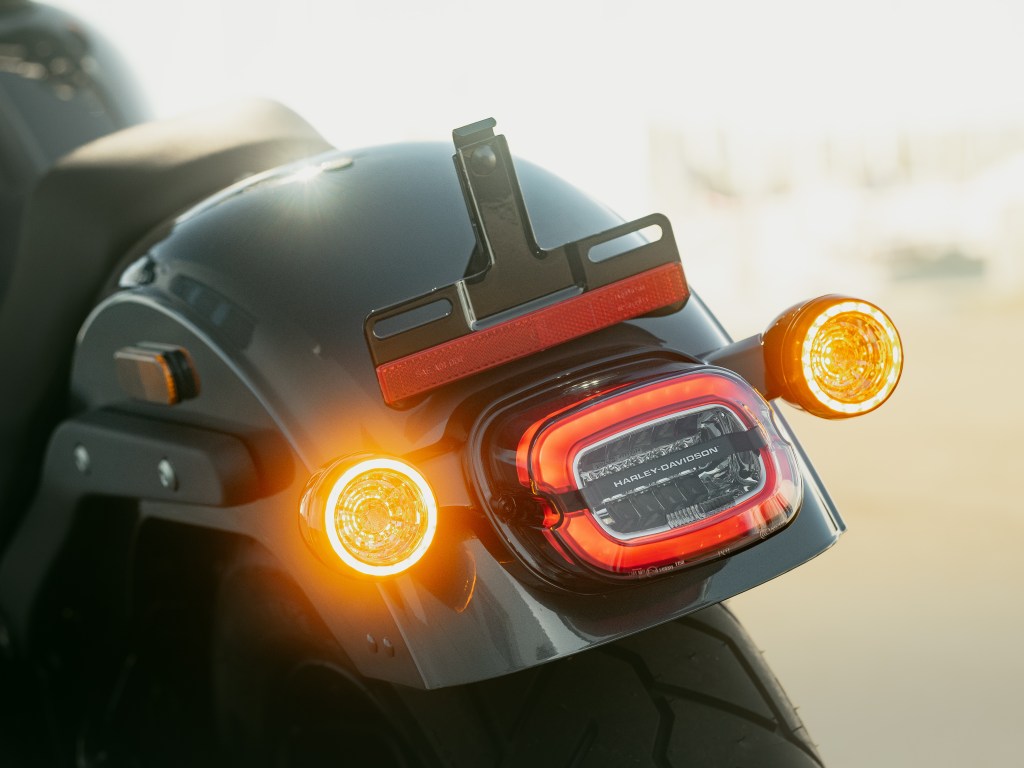
We have updated LED lighting all around, with a new 146mm headlight leading the way. Visibility is nice and bright, with the indicators — both front and rear — doing well to make lane-changing an obvious affair for other road-goers. For the tail end, the rear light is sleek and houses a central but subtle detail of the brand name – nice touch!
The Pipes
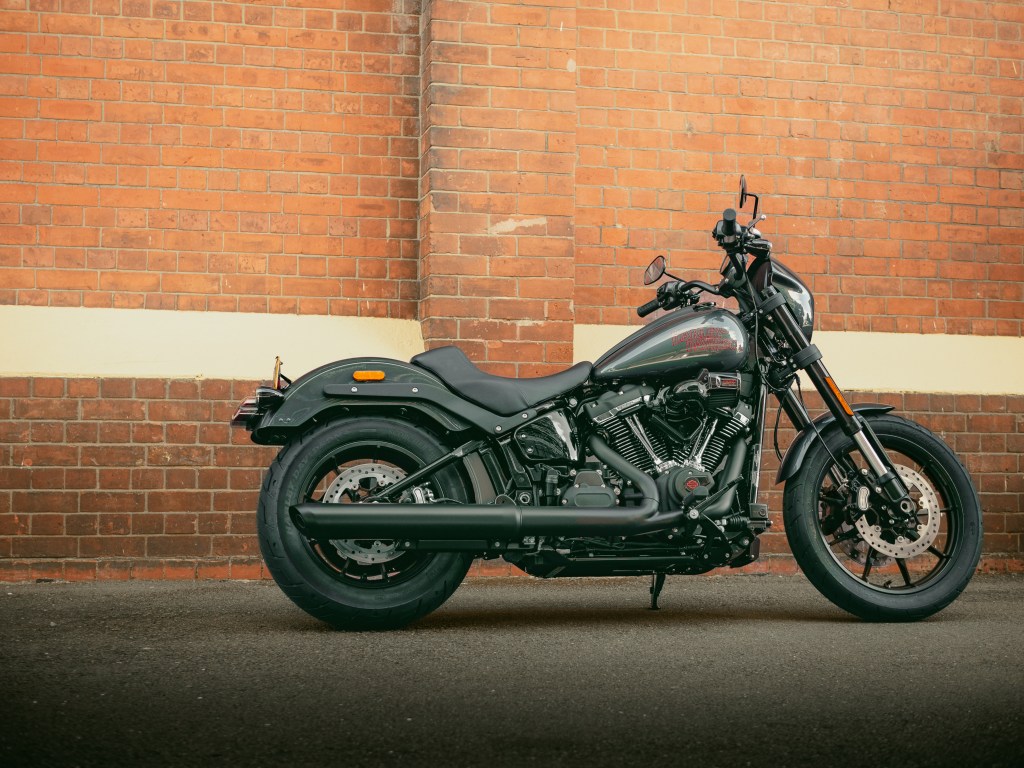
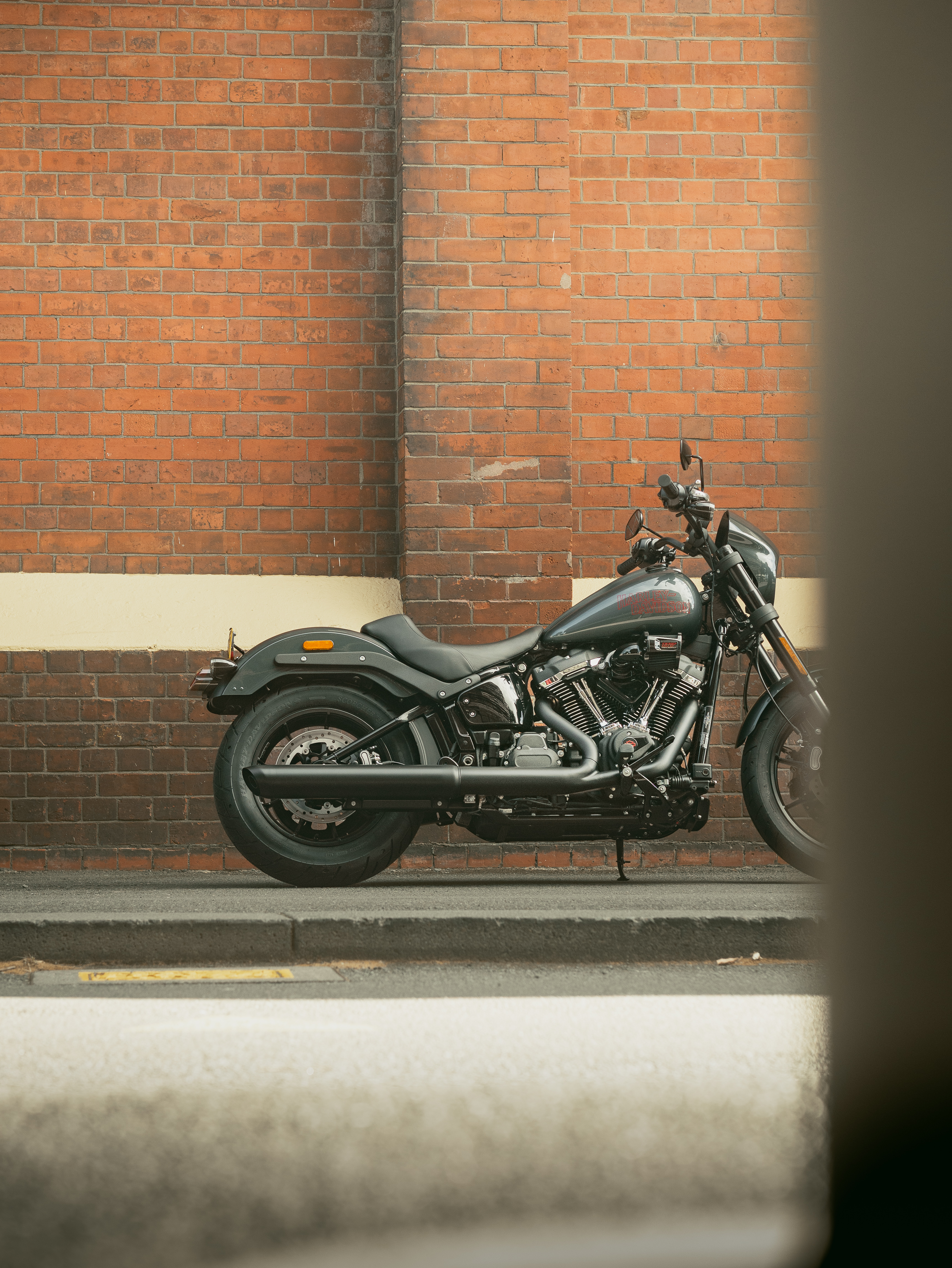
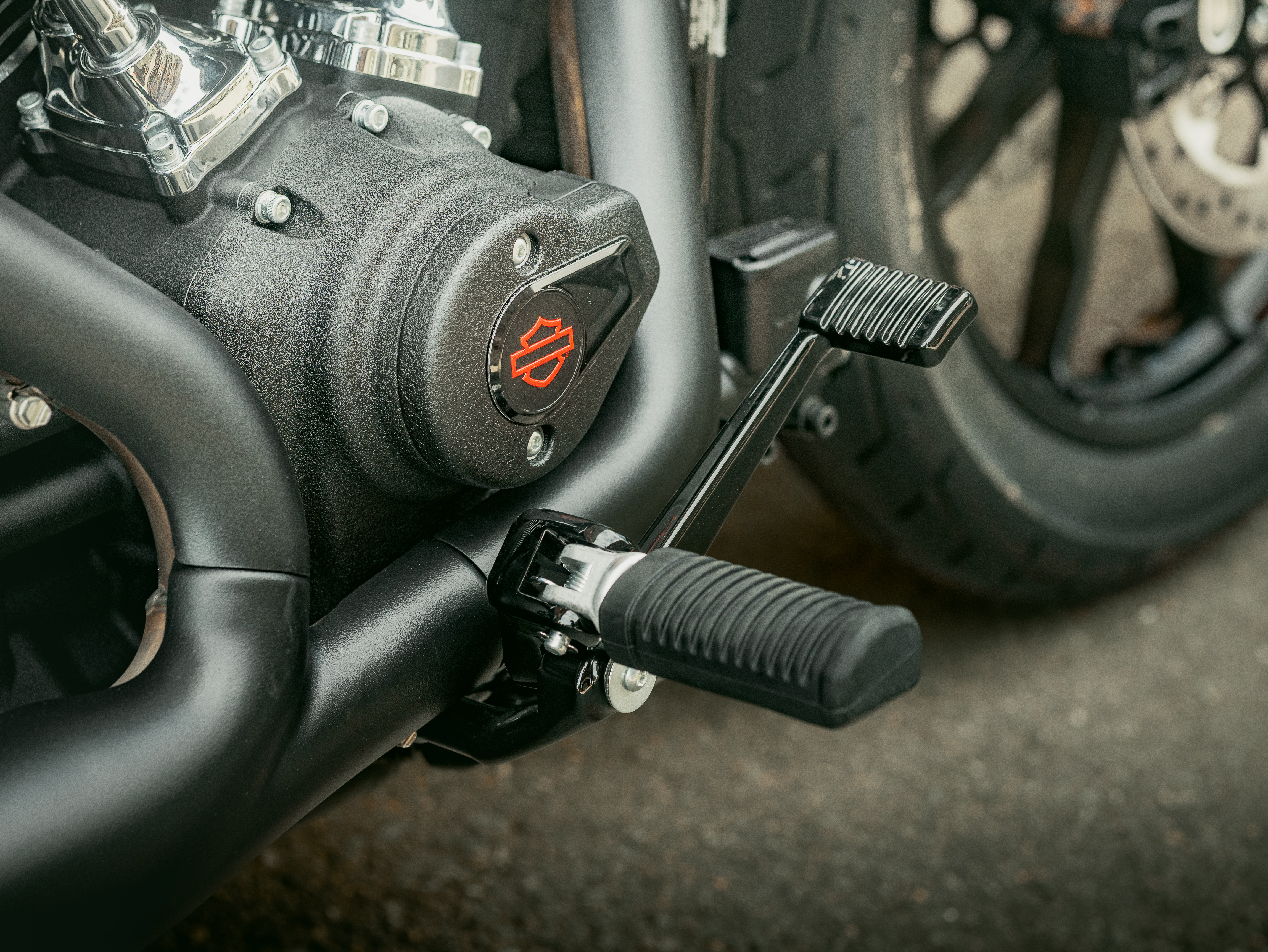
Factory pipes now take the form of an updated 2-1 exhaust, replacing the 2-2 design from the previous year. As a high-output variant, the exhaust was one of the many components that were overhauled to tune and deliver more power. Around town, the rumble of the exhaust and chatter of the valve-train all make for a pleasant ride, but it’s under load where that rhythmic idle roars to life. They sound great — considering this is a stock system for a chunky V-twin — but I’m sure many will opt for something with a little more growl…
There are countless exhaust options for the bike, and they will all comfortably provide those deeper tones that we all love!
Final Thoughts
The number of compliments this received was incredible. I think a part of that is the classic motorcycle look that people — both riders and non-riders — recognise and appreciate, but I think the main point of attraction is really that colour scheme. With the red accents highlighting the high-output engine, chrome pieces throughout, and a sweeping body line, it offers plenty to admire.
At $38,485 (NZD), it’s certainly not a coffee-money purchase, but it’s well within the expected range for a bike in this class. As mentioned in a previous article, I truly think the upgrade path from trading in an earlier model is a key part of the market here.
The Low Rider S is undoubtedly a point of entry into the brand too. It’s easy to hop on, fire up, and ride away, with no worries about weight or reaching the ground. Power is there with the beefy motor, and you have the comfortable seat and sufficient fuel capacity to get you places.
Now, I can appreciate that this bike isn’t for everybody. Being someone who truly loves the 1990s-2000s Japanese sport-bike era, as well as an appreciation of the unique and weird one-offs, riding and enjoying a 2025 Low Rider S was not on my riding radar whatsoever. But you know what? I’m pretty sold. Can my sport bike offer chunky torque with the pleasantries of a nearly two-litre engine? Does it give me the same joys of roaring through gears on a throaty V-twin? It doesn’t. Each bike excels at one thing over another, and a bike like the Low Rider would 100% have a place in the garage — whether it’s joining a wider line-up, supplementing a sport-bike, or even as the sole daily. With an 11% increase in power over the 2024 Softail 117 models, it’s a worthy contender for those looking to upgrade. It’s introduced more features, updated the design, and built on the success of 2024 as a whole. Even if you don’t think it’s up your alley, at least go check out that paint-job!

AT A GLANCE
Price: $38,485 NZD
Power: 114 hp / 173 Nm
Engine: 1923cc V-Twin
Gallery