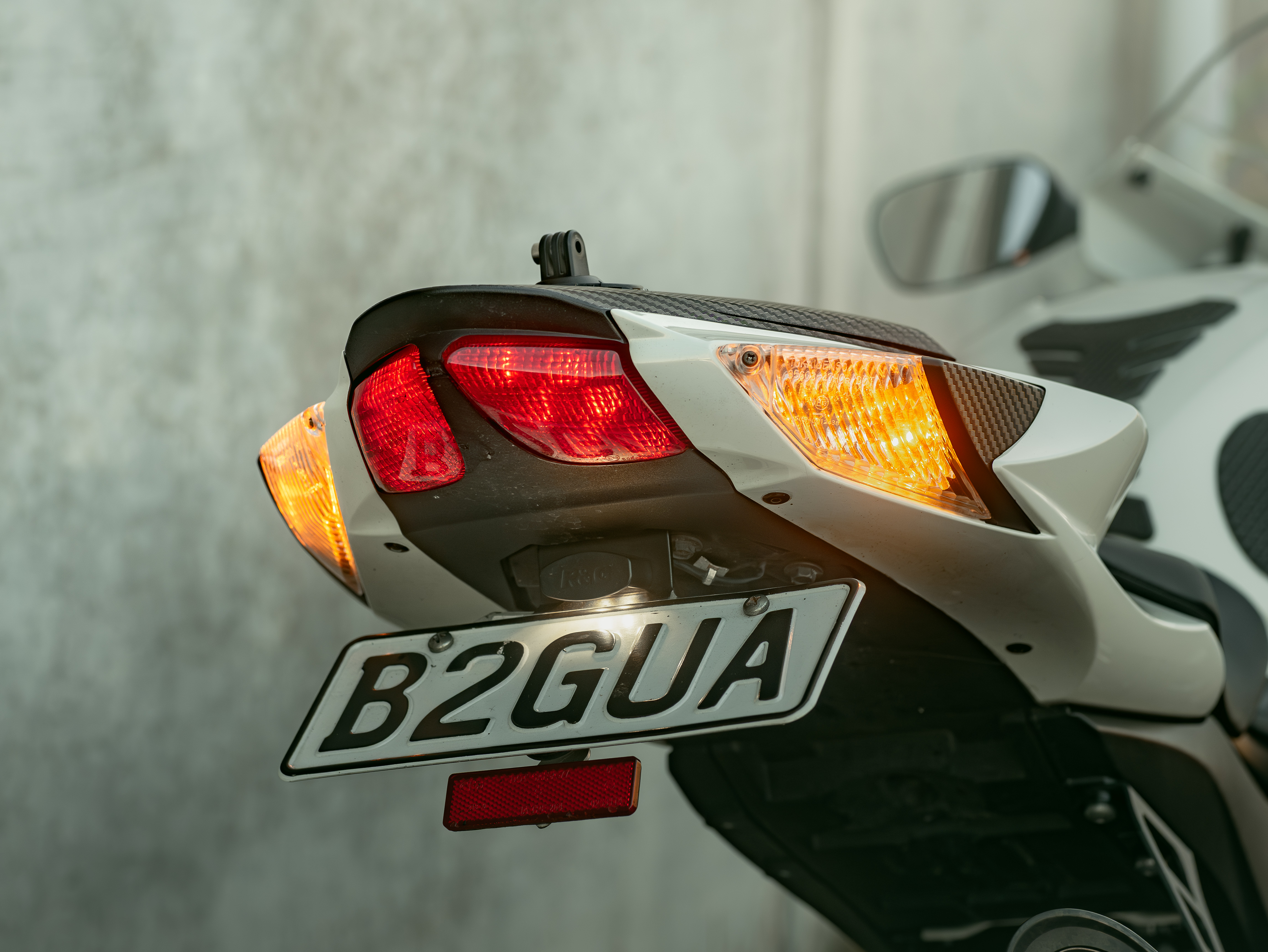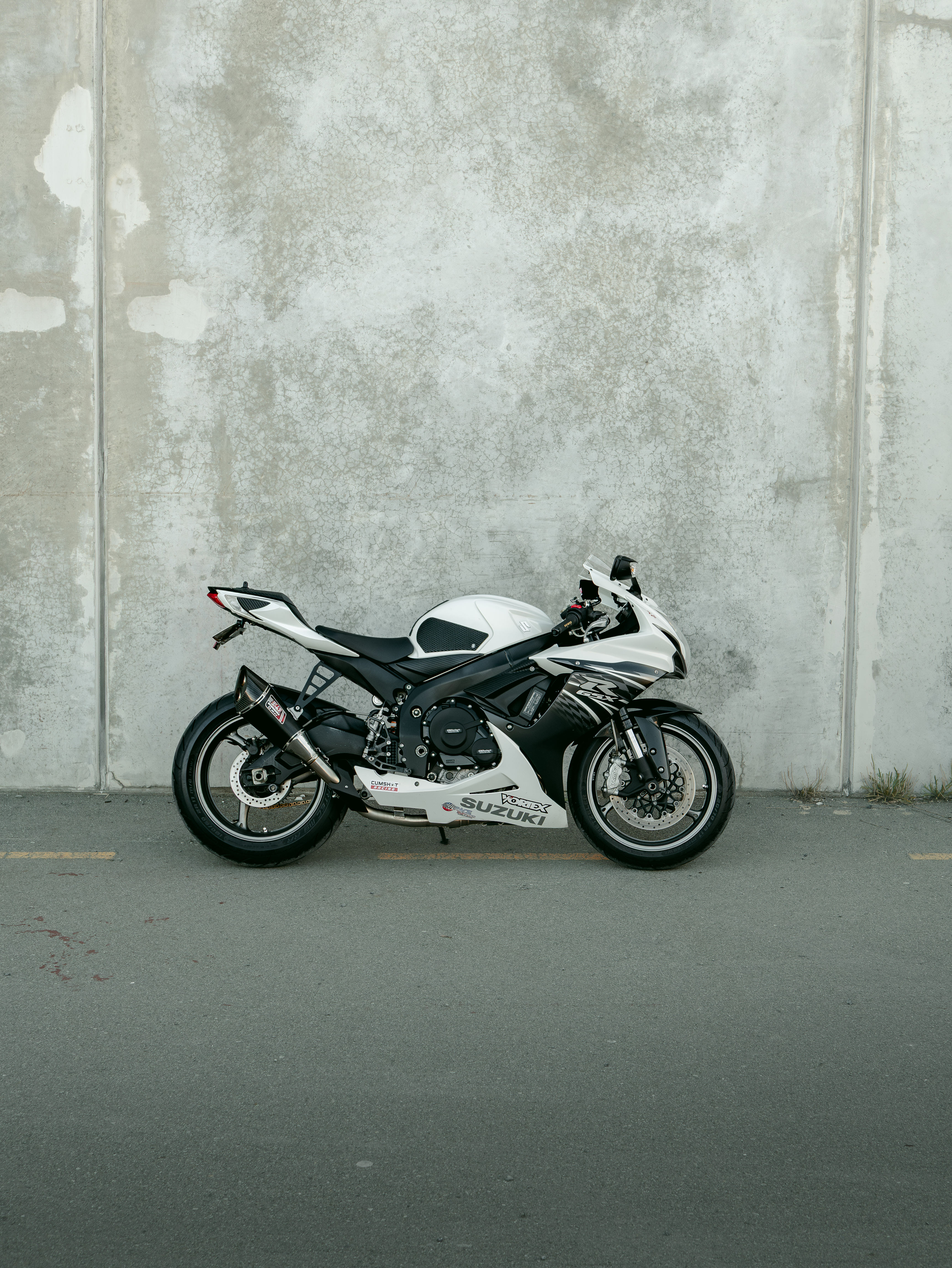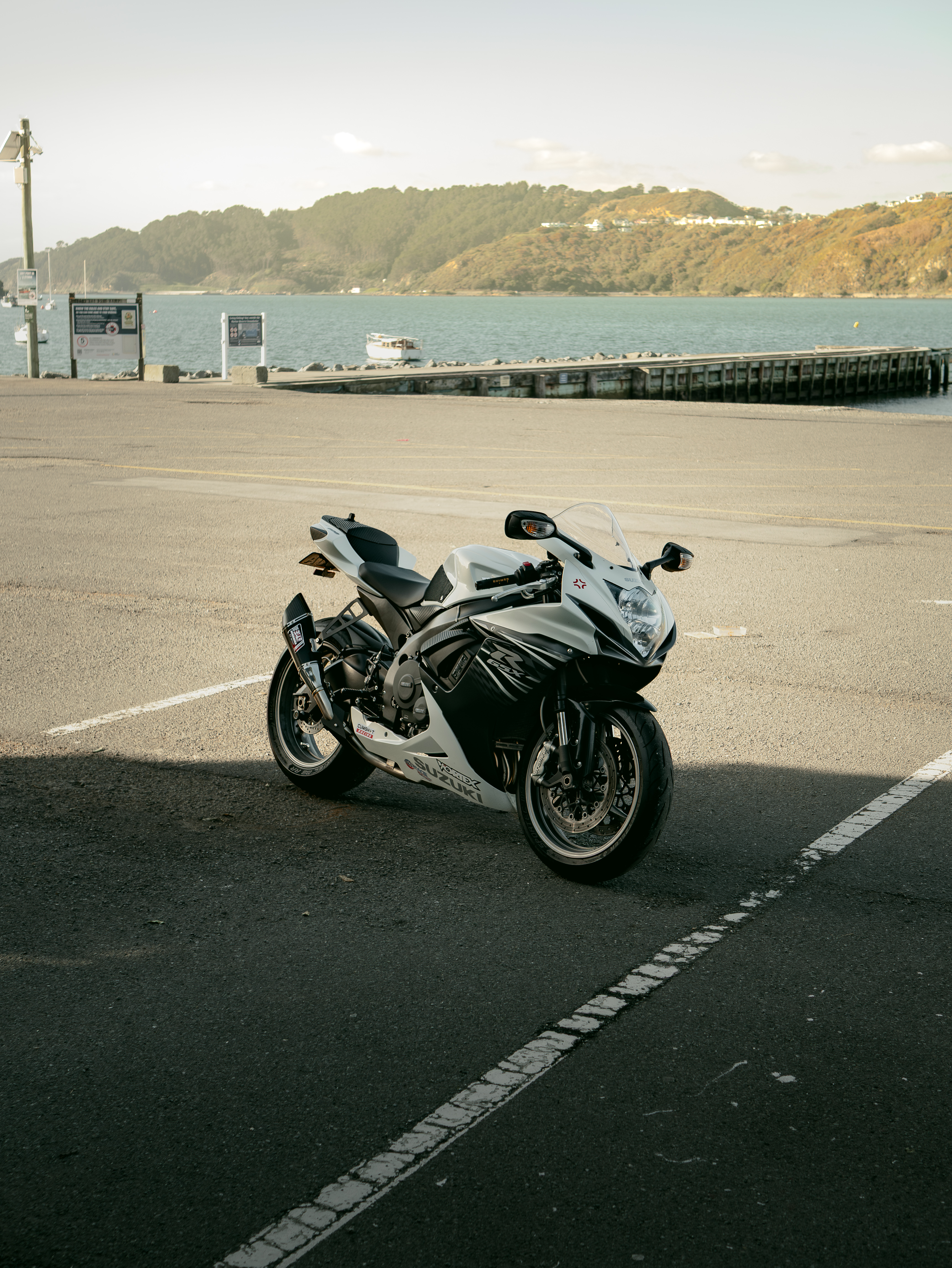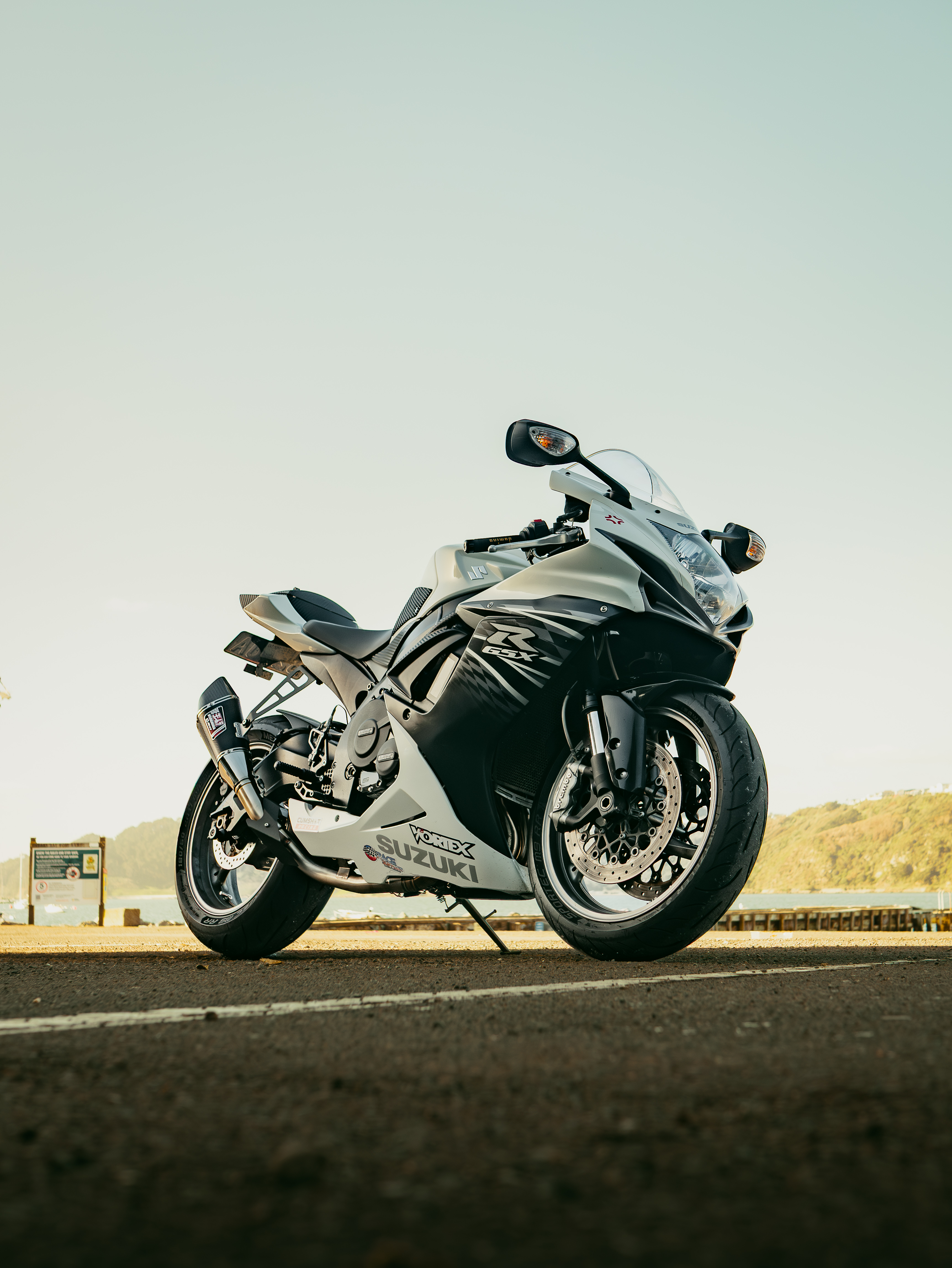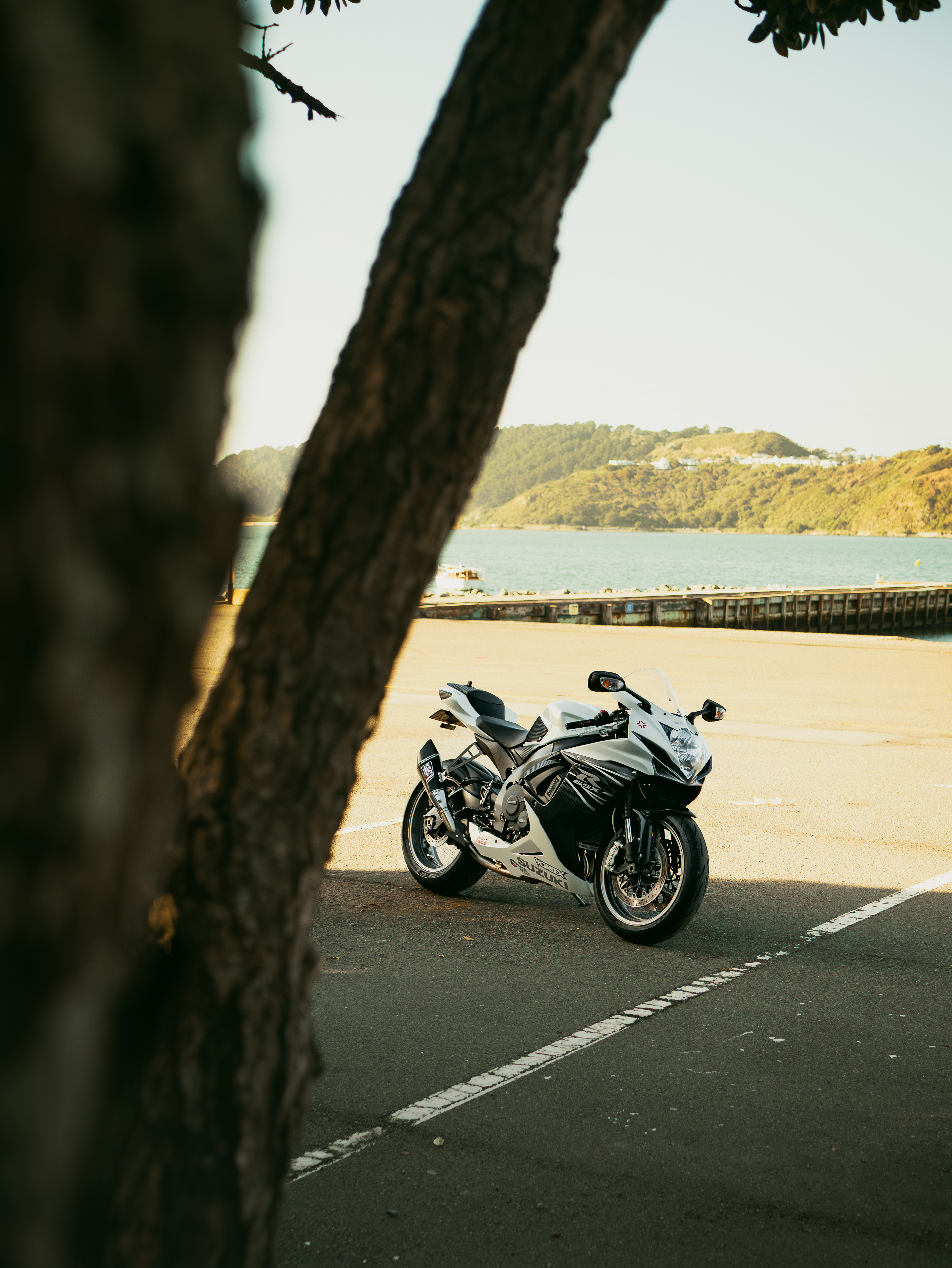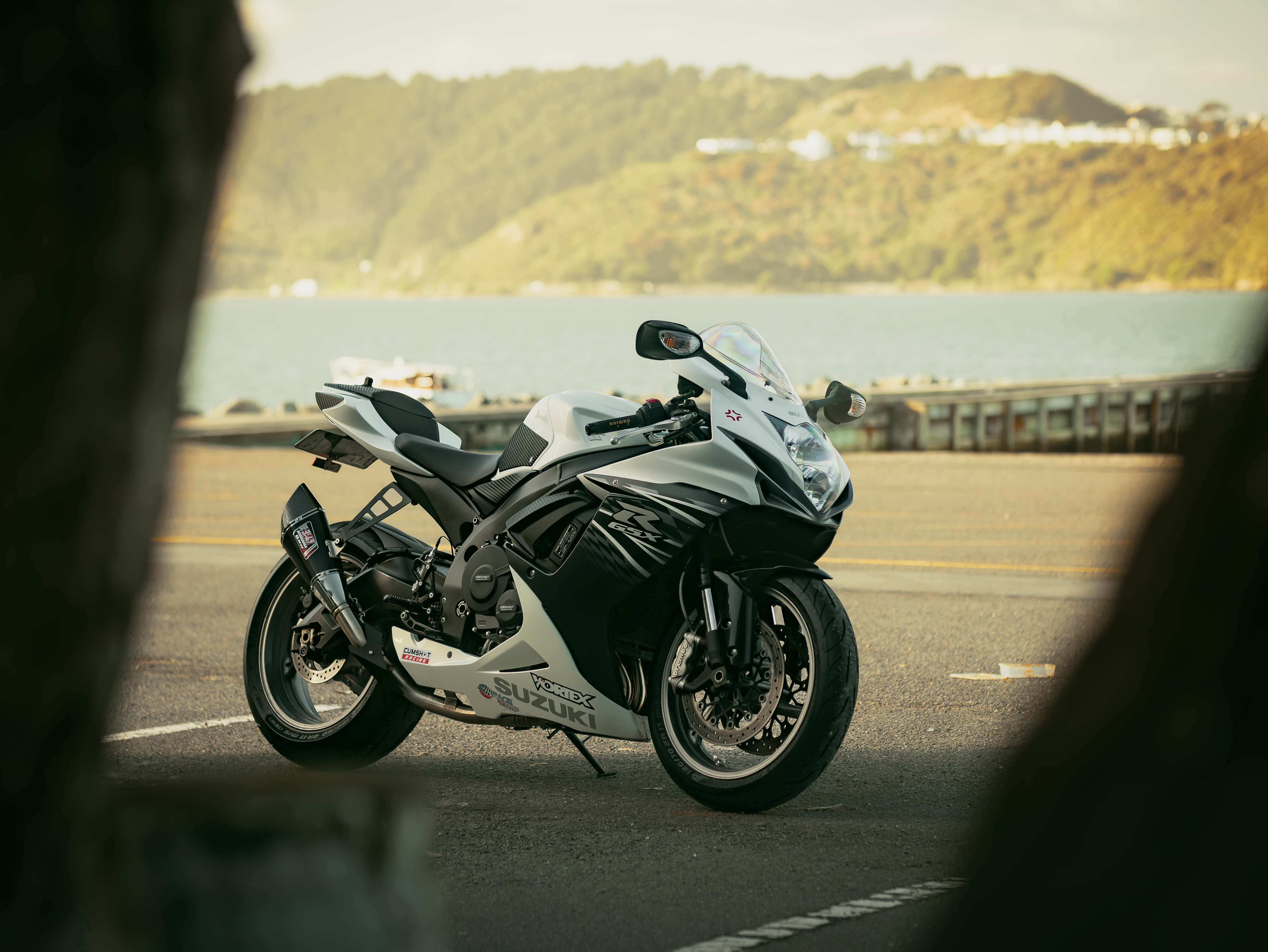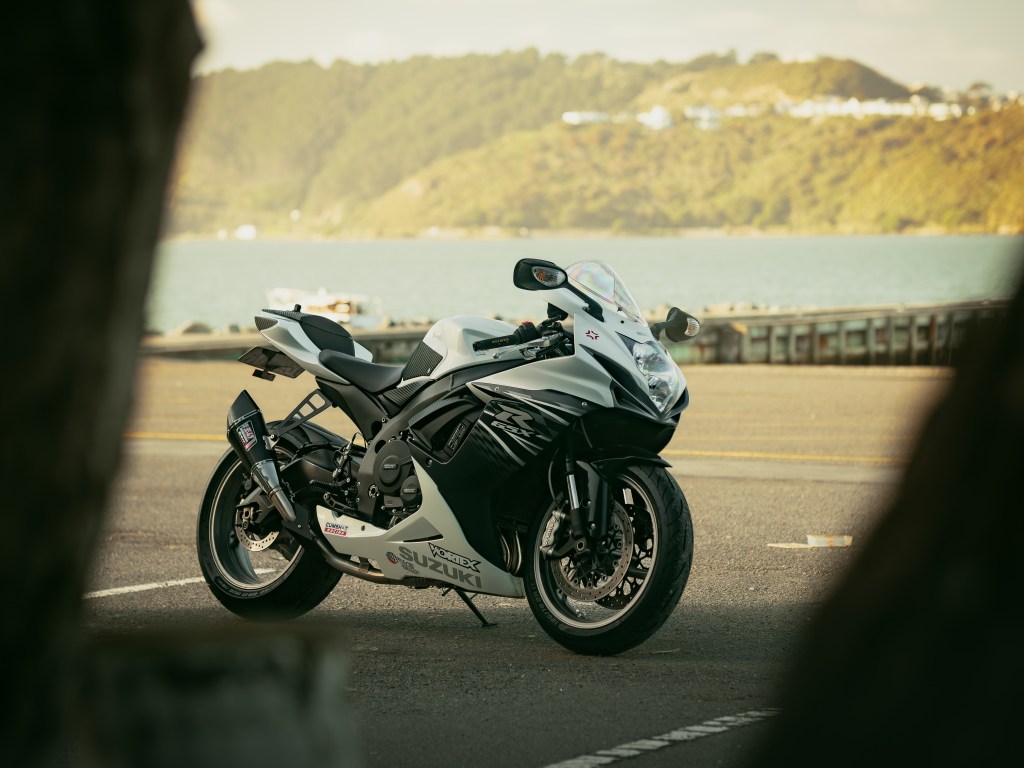
This GSX-R was kindly provided by a private client for a photoshoot and review. All opinions are my own, and this article was not reviewed or altered by the owner before release.
The GSX‑R line from Suzuki has always been rooted in its race‑winning heritage, and the GSX‑R600 is no exception. Since its debut in 1992, it’s been a standout in the supersport class — sharp in its handling, rewarding in its engine character, and kitted with aggressive bodywork that still looks the part today.
On the spec sheet, it delivers everything a 600 needs to dominate both the track and the twisties. The inline‑four engine spins up eagerly, making the GSX‑R600 as rewarding for newcomers finding their lines as it is for seasoned riders chasing tenths. Its biggest rival? The Yamaha R6 — another icon in the segment — with comparable stats and a reputation that’s kept this rivalry burning for decades.
Whether you’re tackling your favourite backroad or charging down a race‑track straight, the GSX‑R600 delivers a sharp, connected ride that reminds you why it’s long been the gold standard for middleweight sportbikes.
Redline Ready
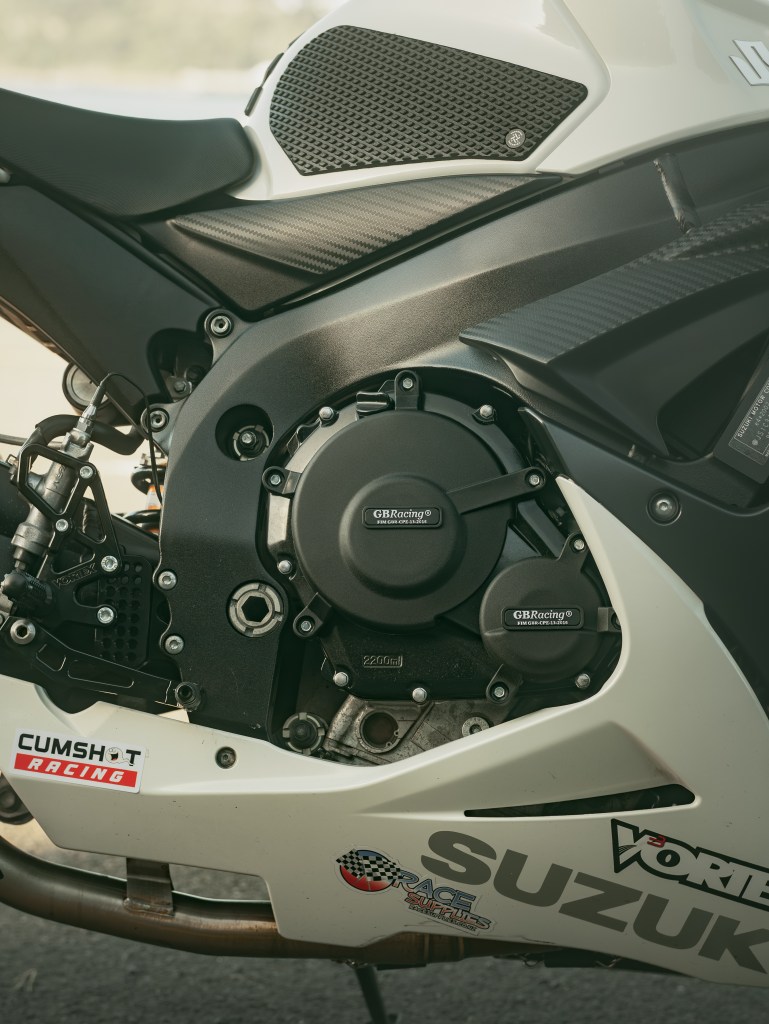
The latest‑gen (2011-present) GSX‑R600 puts out a crisp 125 hp at 13,500 rpm and 67.7 Nm of torque at 11,500 rpm, and it’s every bit as lively as those numbers suggest. It’s an inline‑four that shines when you rev it up, and it’s always egging you on to spin that needle closer to redline. Around town, it’s surprisingly well‑behaved — smooth, predictable, and happy to cruise along under 8,000 rpm, with no fuss or a snatchy throttle. But once you get closer to that upper range, it really wakes up. The bike almost tugs at your arms, urging you to open it up and make the most of its top‑end rush.
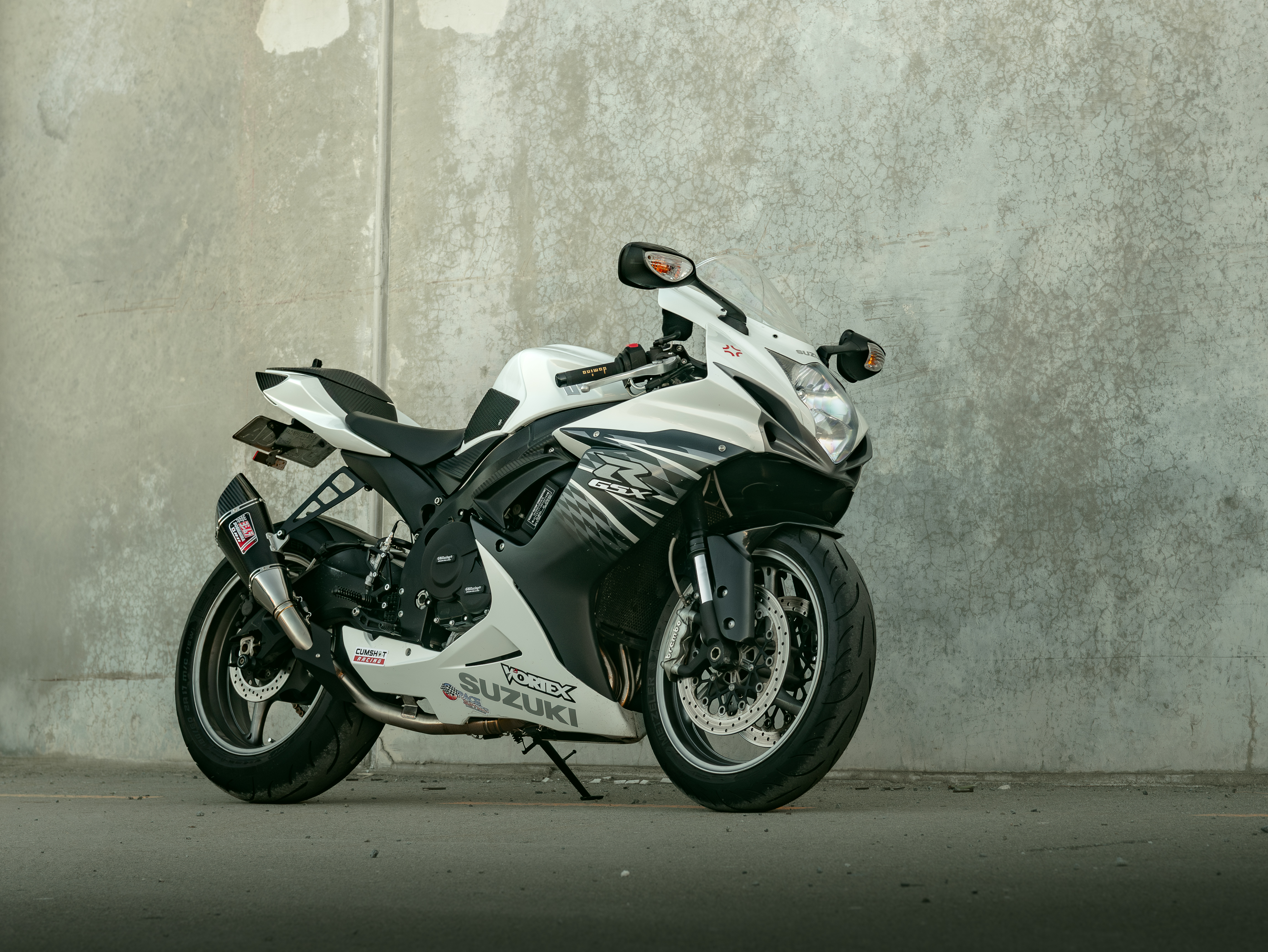
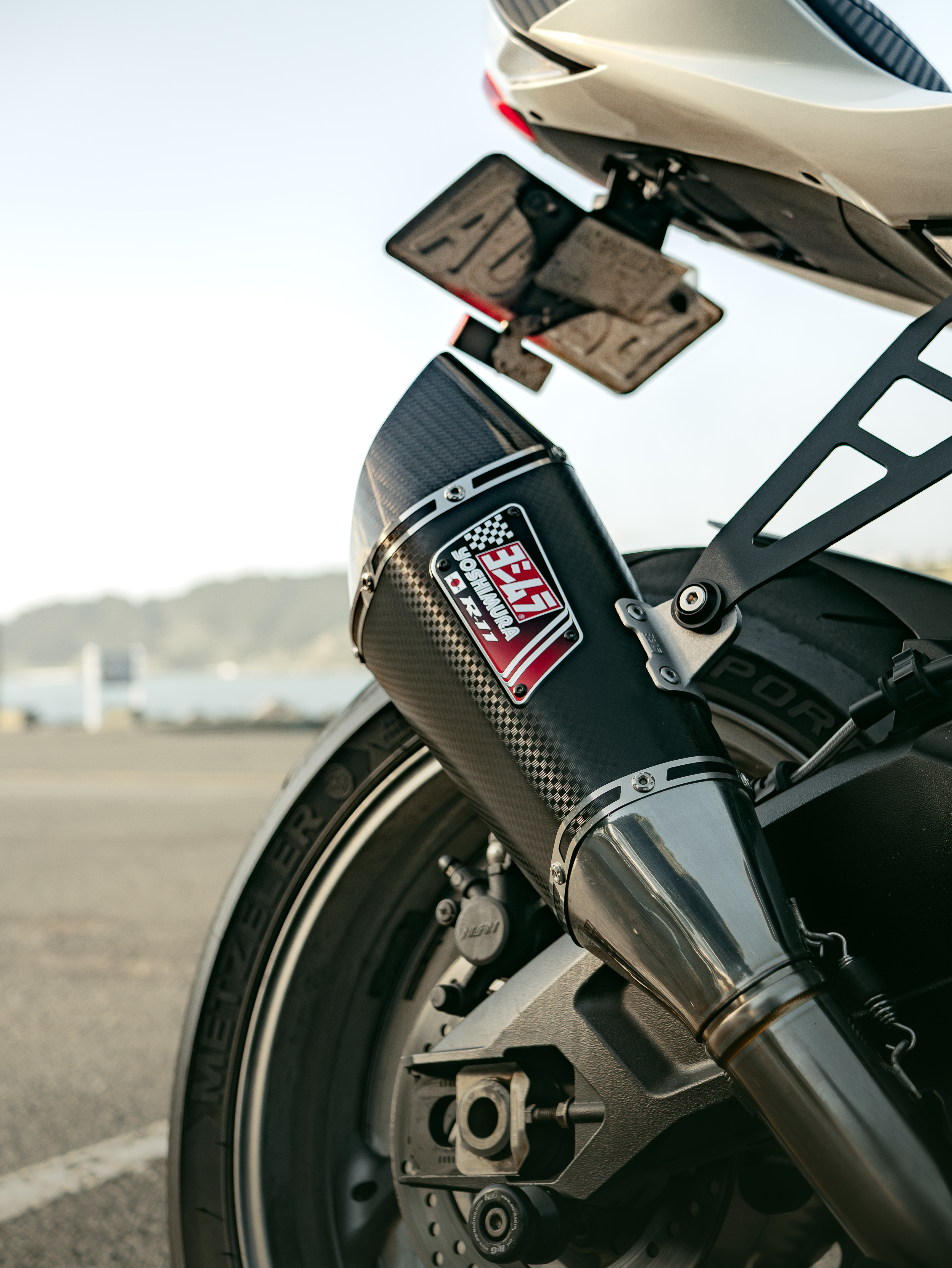
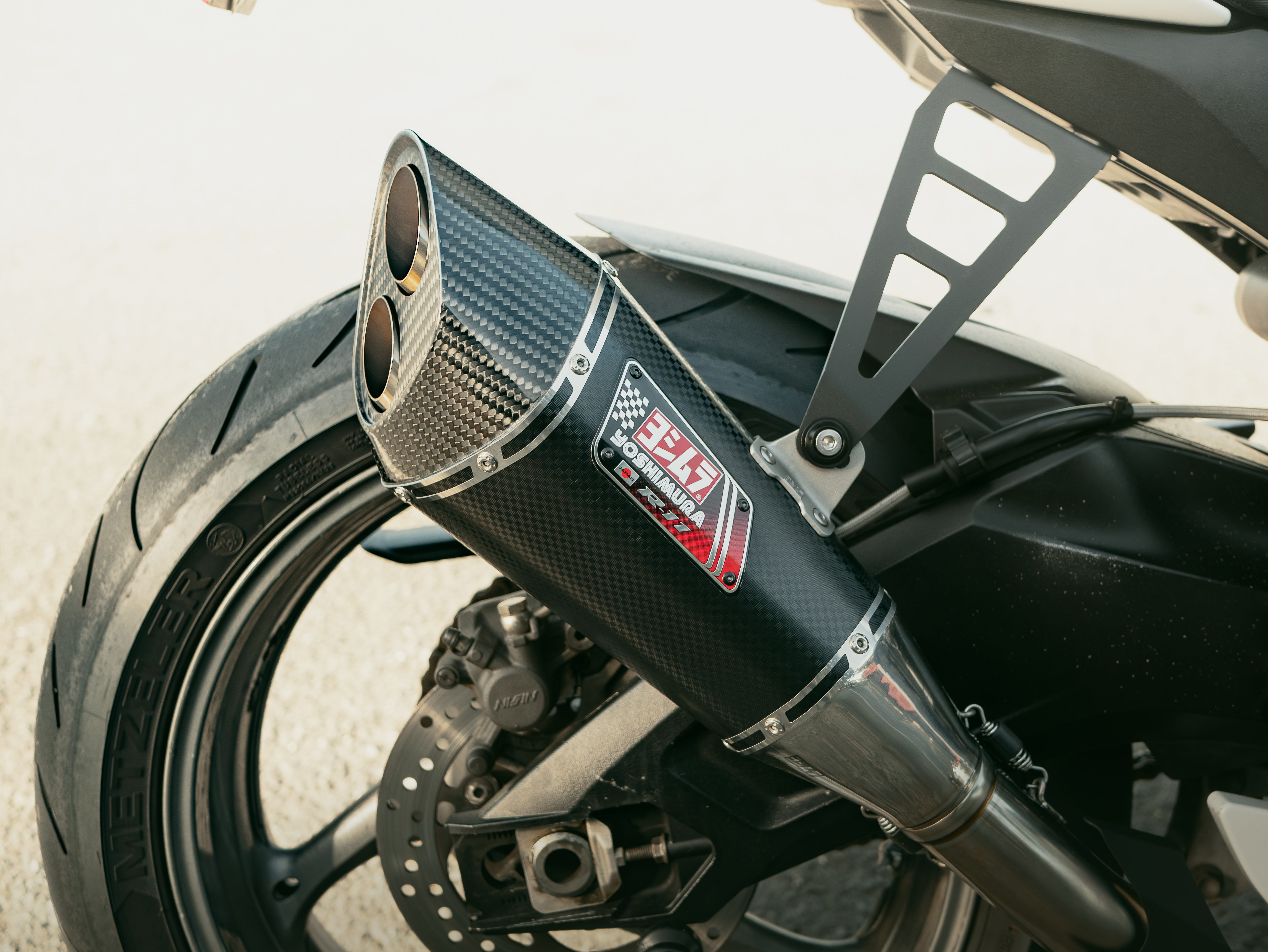
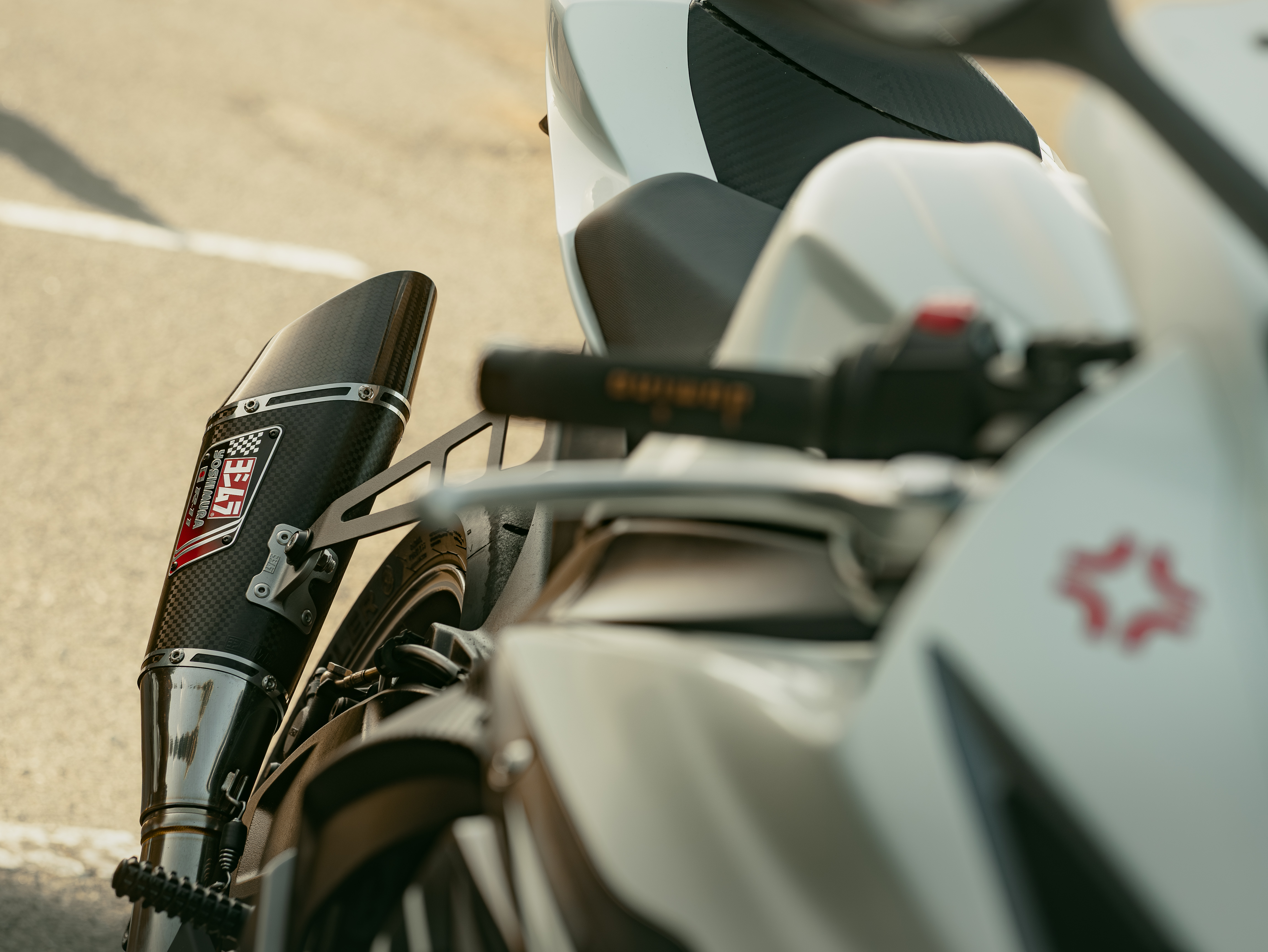
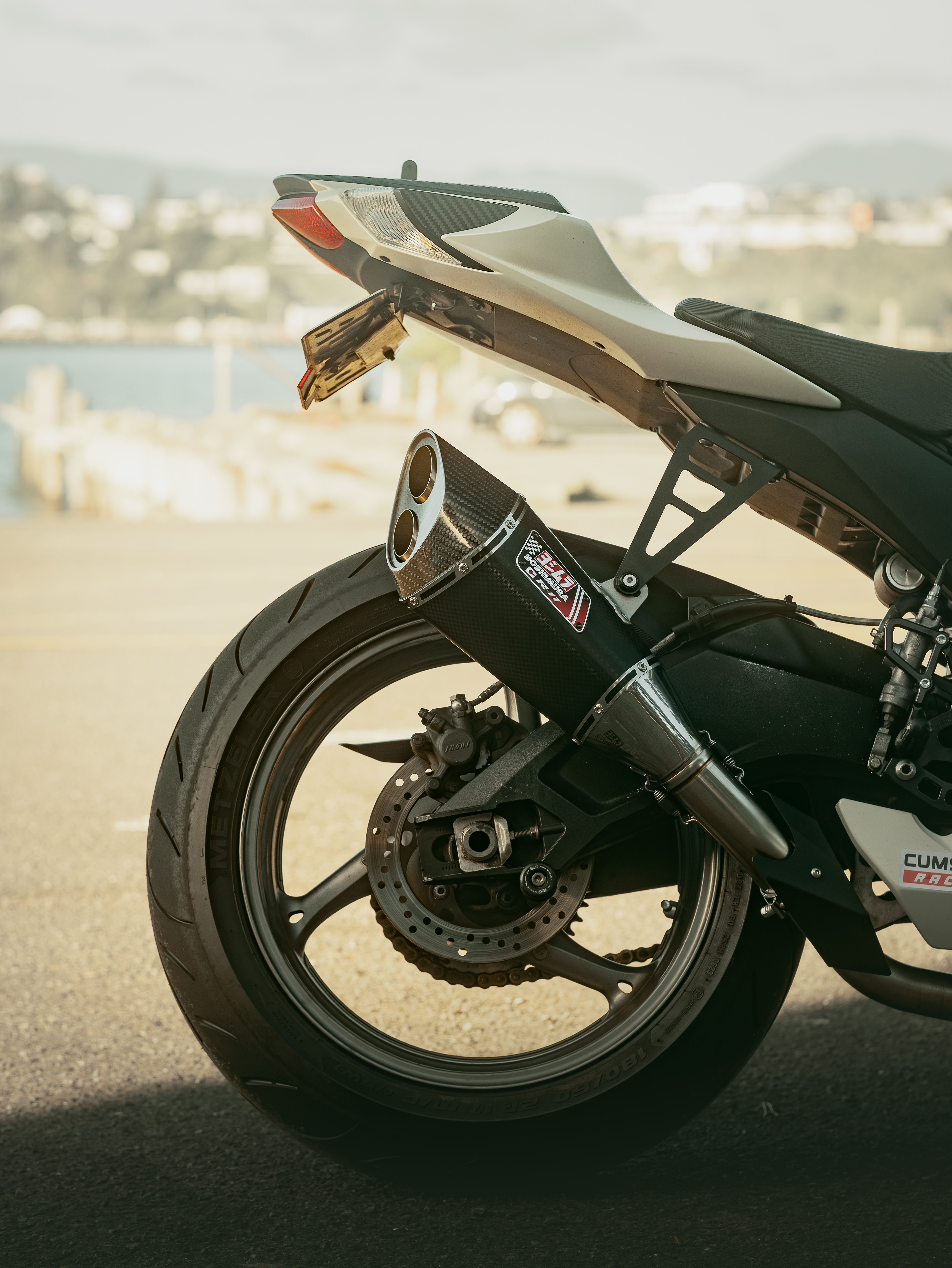
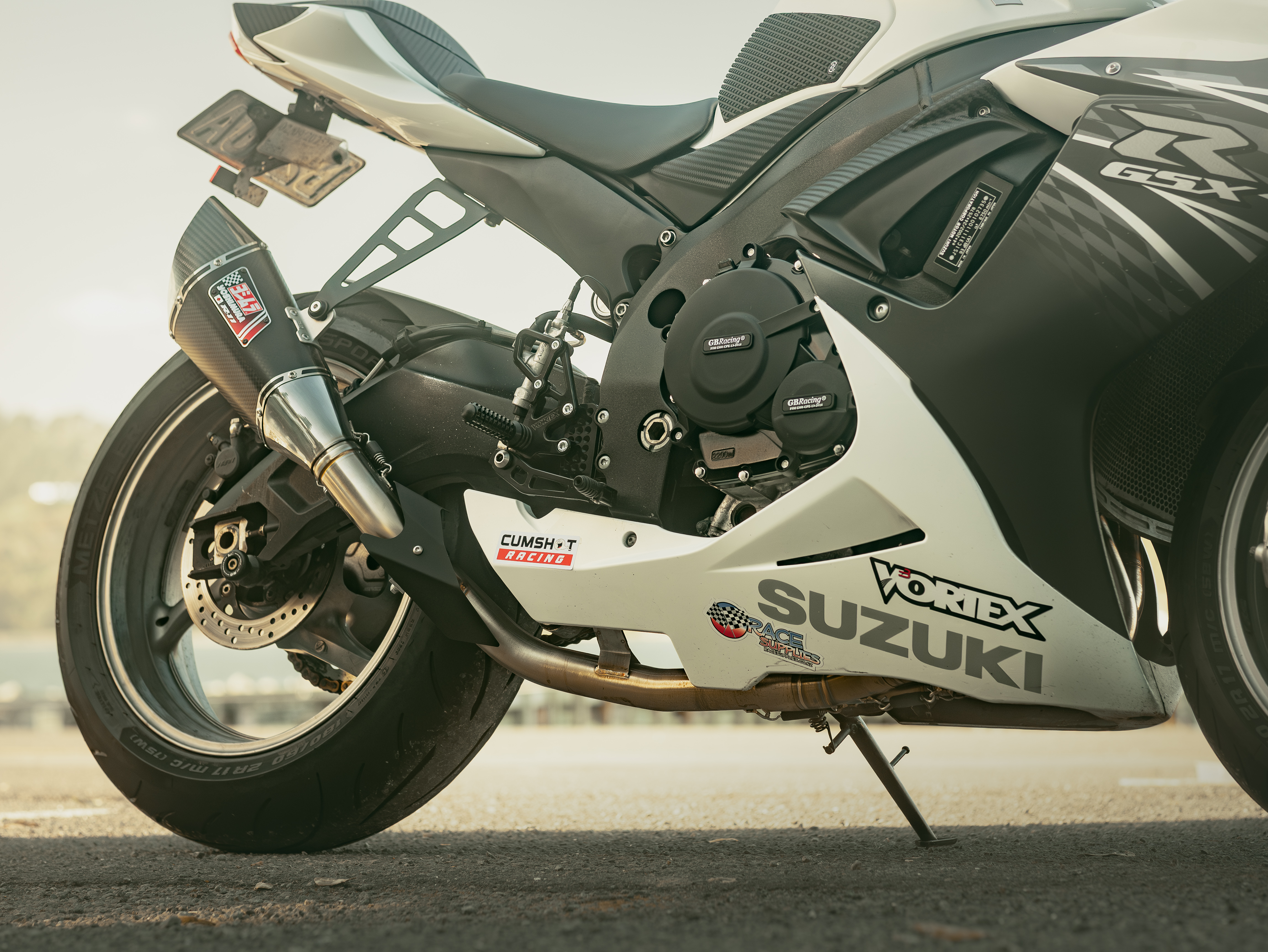
Add a Yoshimura full system to the mix, and it takes the whole experience to another level. Not only does it look sharp — titanium headers and that sleek, dual‑tip silencer — but the sound is in a league of its own. Even just rolling through town, you get a deep, rich growl that’s hard to ignore. Push it closer to the limiter, and it felt like an all‑out assault on the senses.
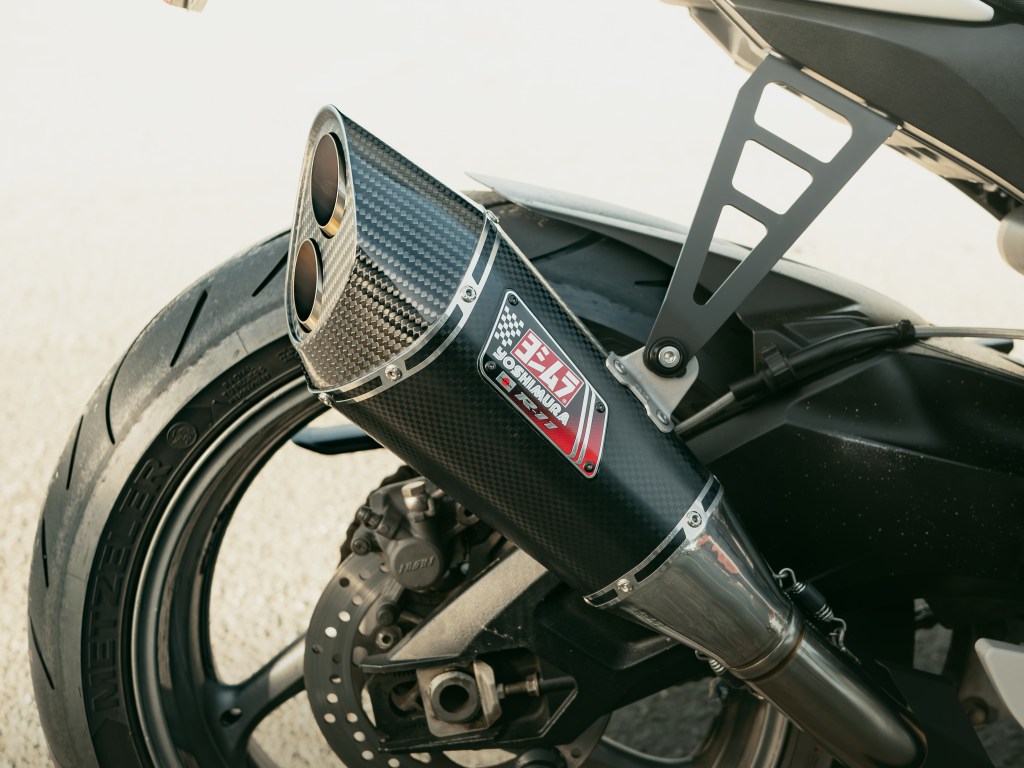
Around town it can be almost too loud at times, even with earplugs in, but out on a twisty road, it feels and sounds like the bike’s in its element. There’s this perfect mix of sound and sensation — a crackle and pop as you roll off the throttle, a sharp bark with every blip — that reminds you exactly why we fall for bikes like this in the first place.
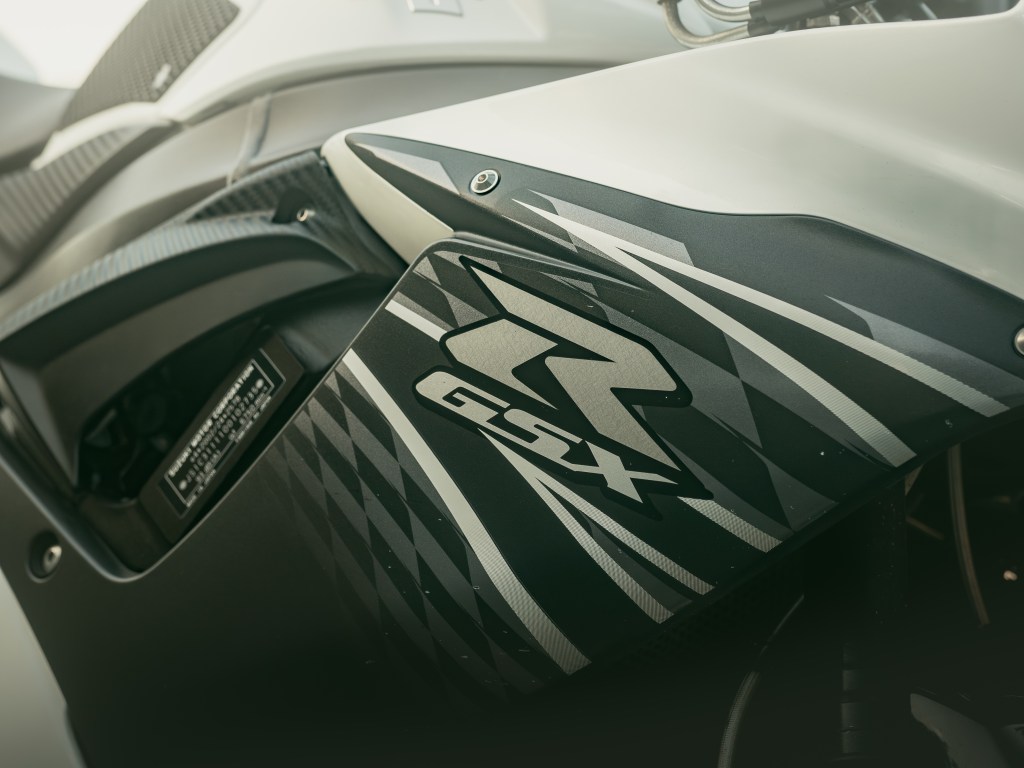
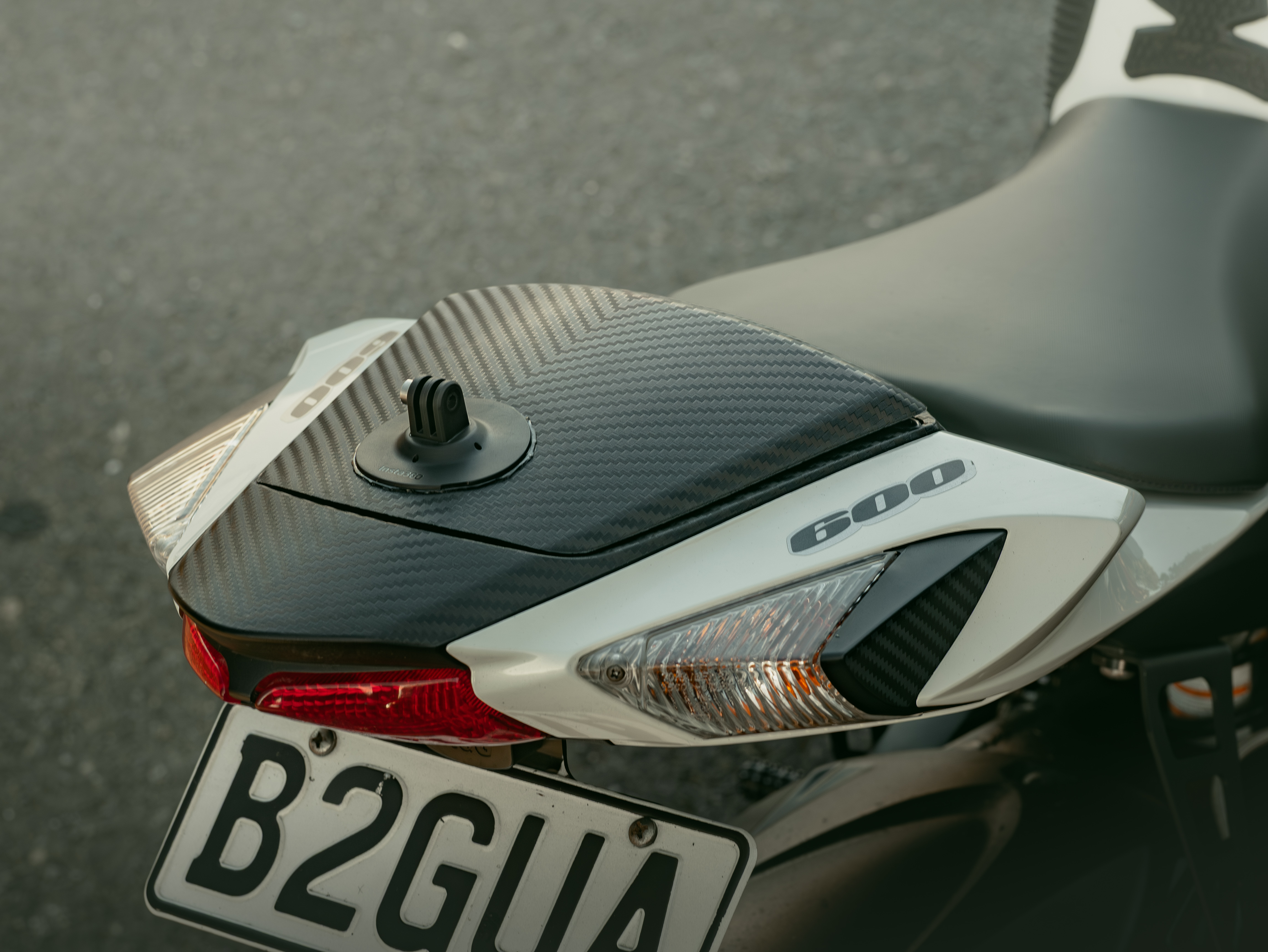
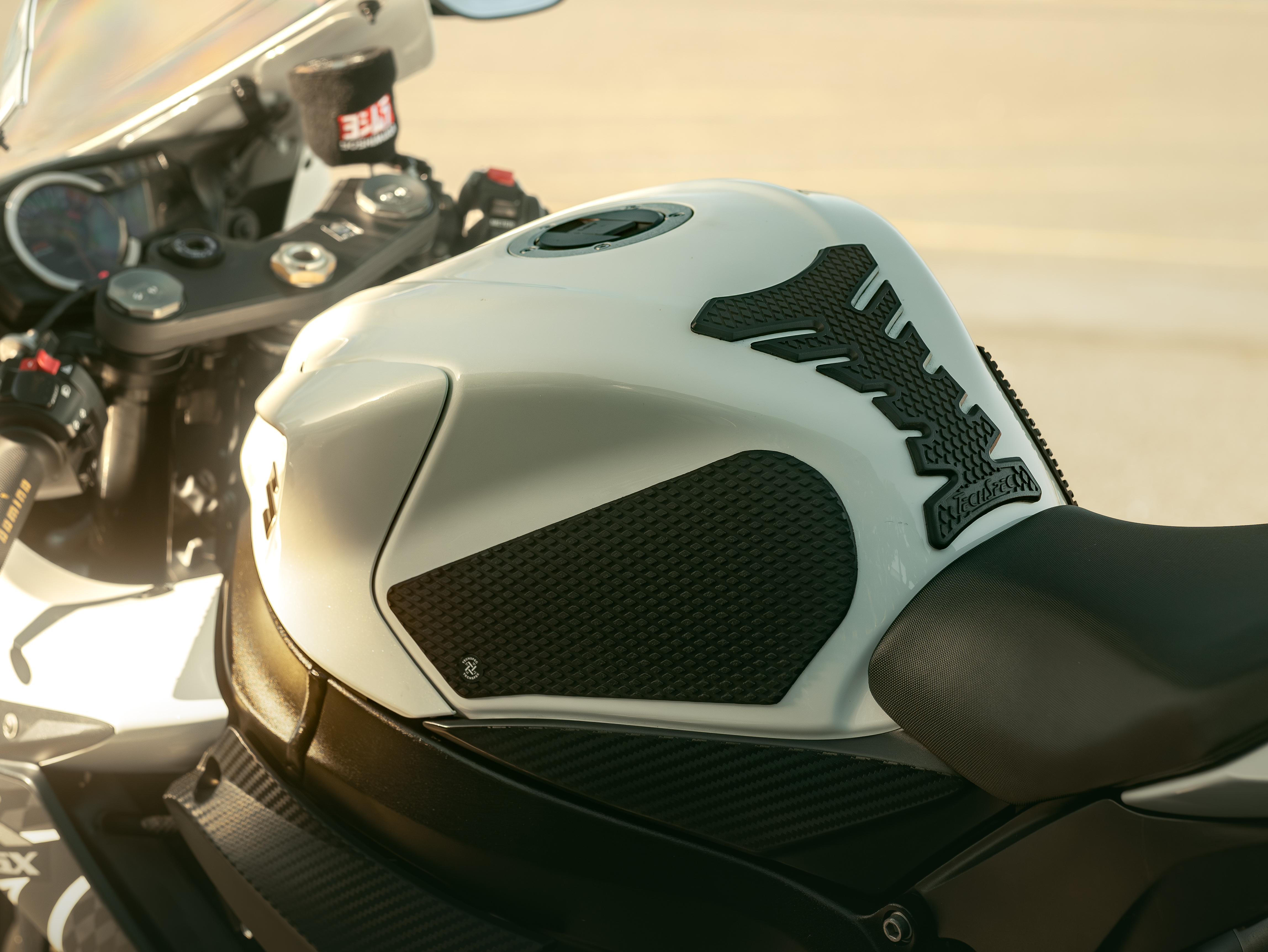
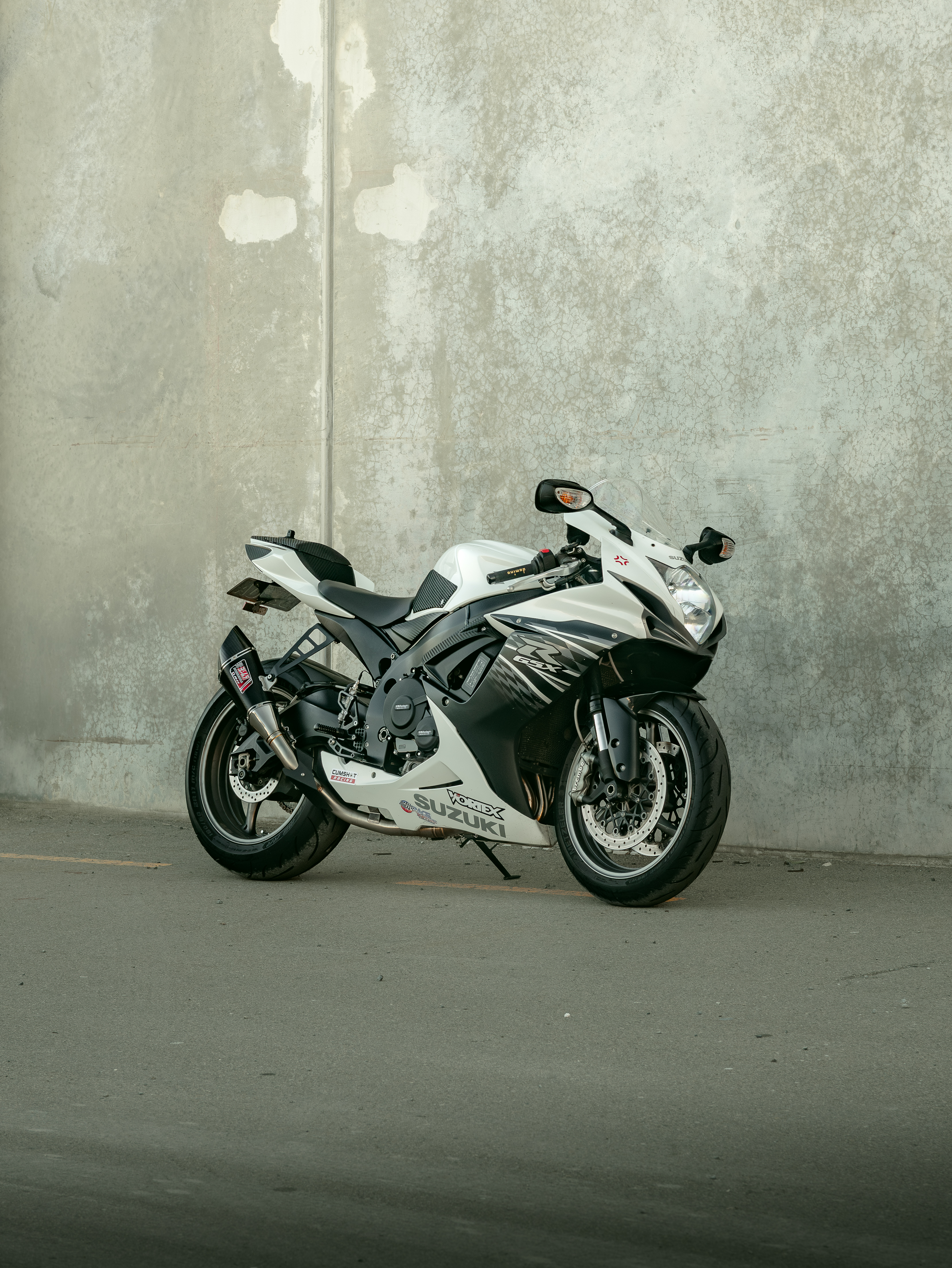
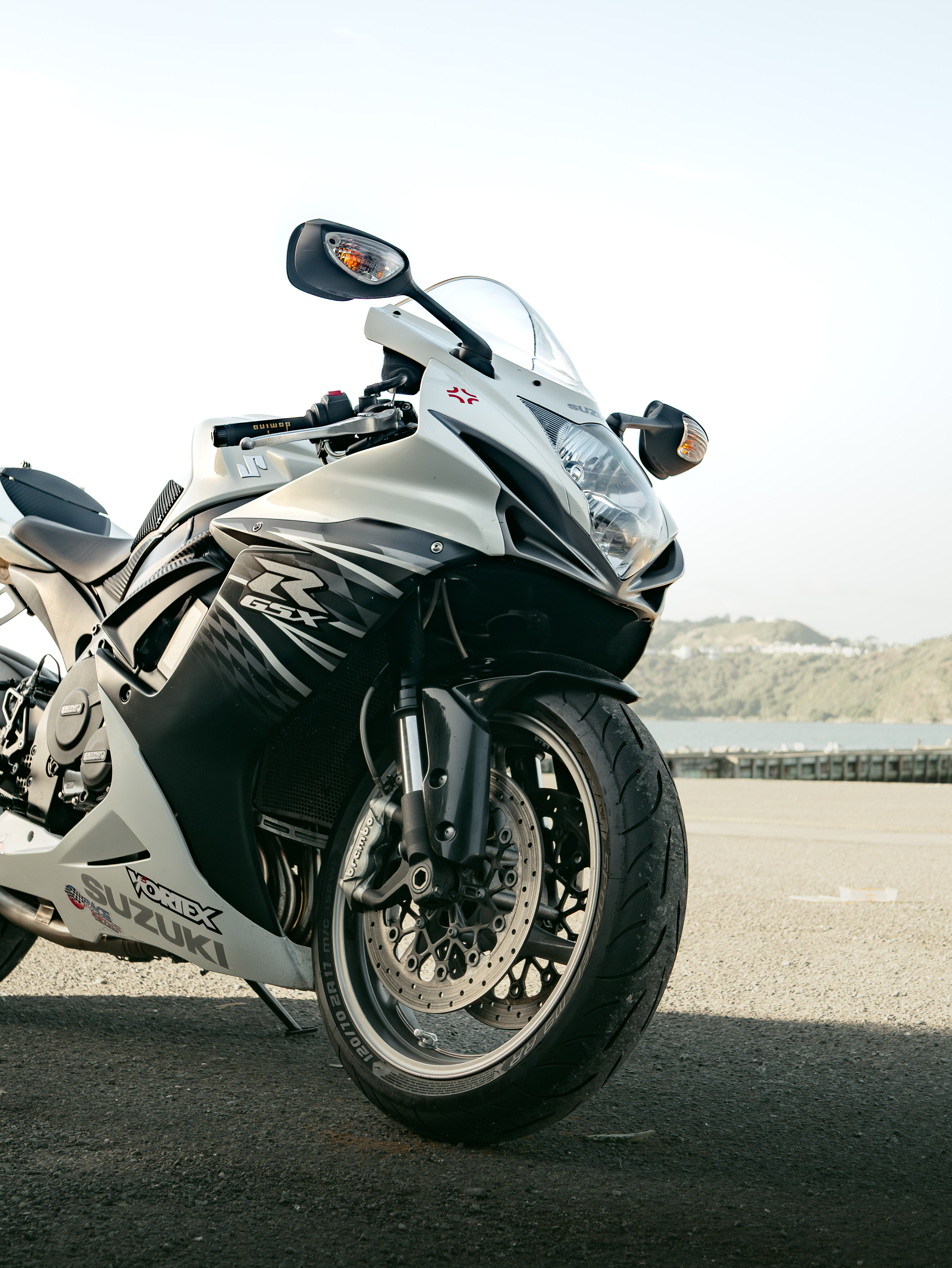
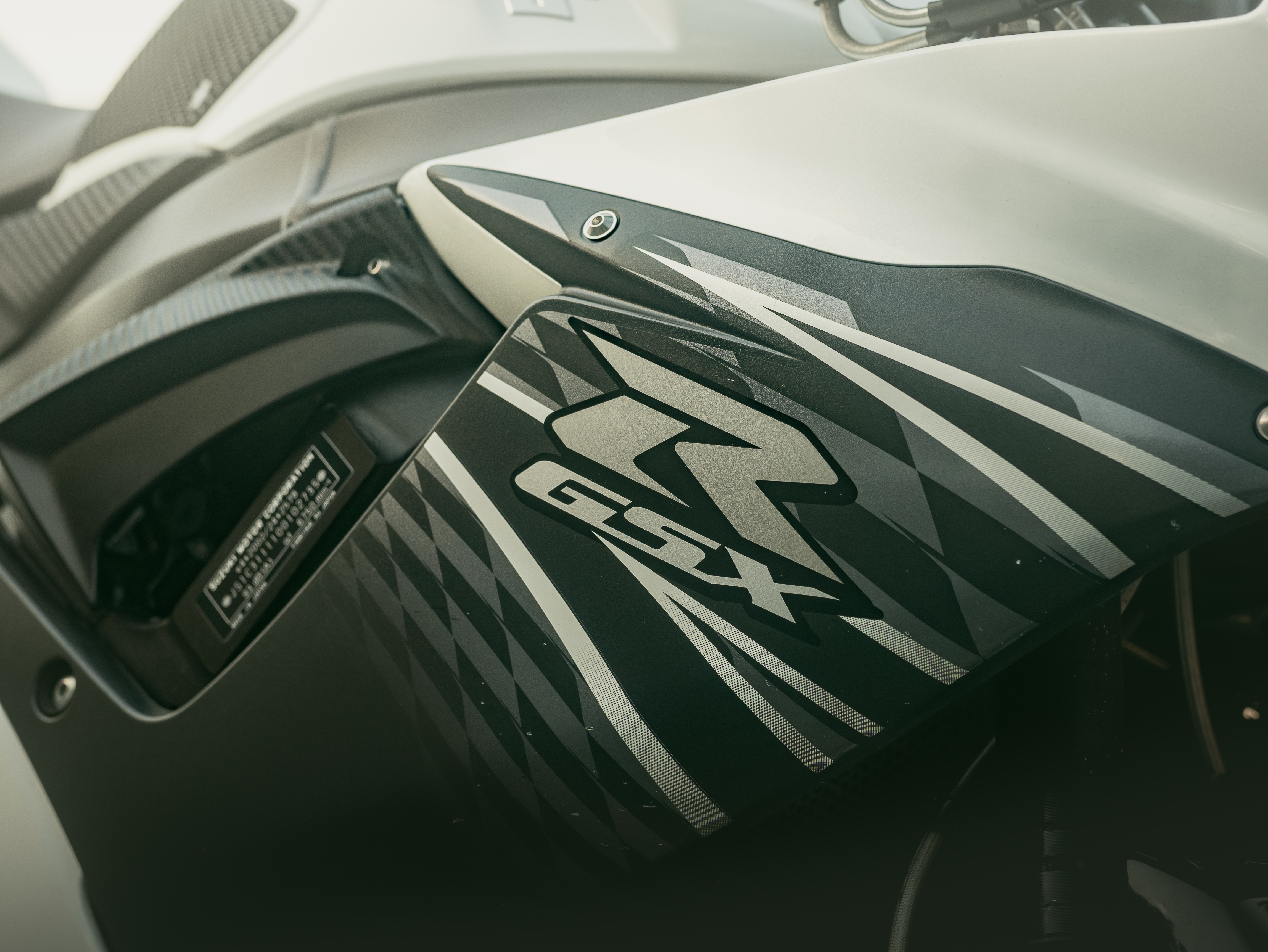
This example flaunts the stunning two-tone: Metallic Matt Black / Pearl Mirage White.
Comfortable Commuter Track Weapon
Foot-pegs are set as far up and back as possible, amplifying the more aggressive riding position of your average sportbike. During the time I had with the bike, I developed some minor leg and back pain — all part of the experience. If your riding experiences have revolved predominantly around these kinds of bikes, I think the riding position isn’t unknown territory, and is not by any means ‘un-commutable’.

Tech Check
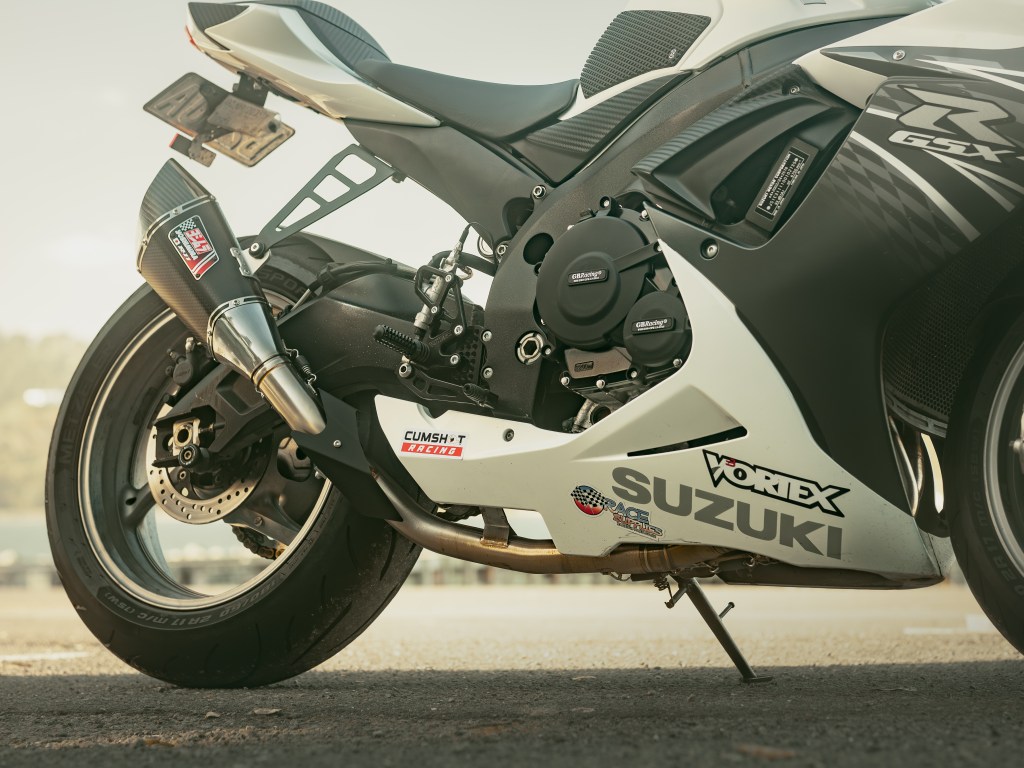
No ABS. No TCS. That’s on you.
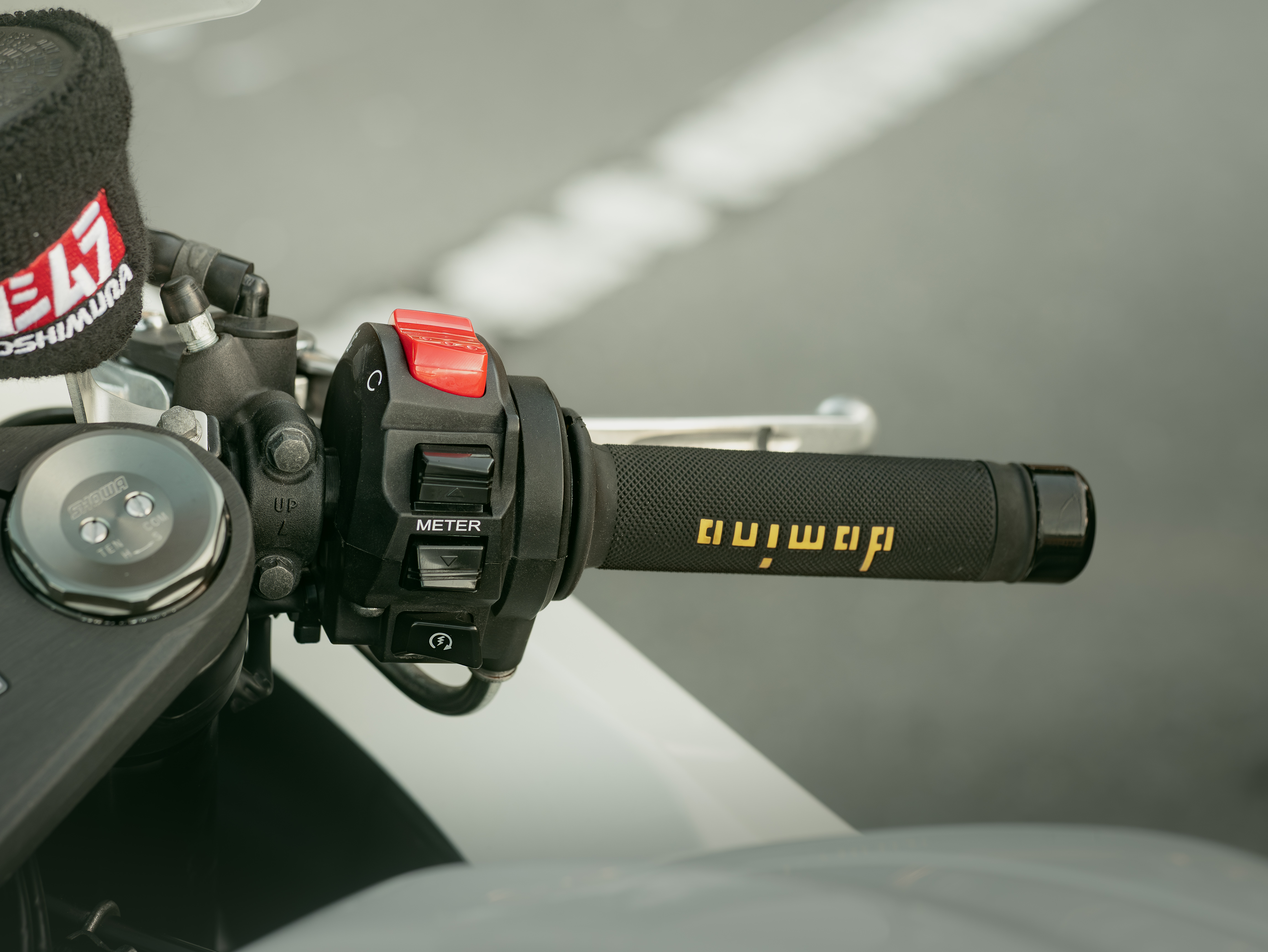
At a glance, there isn’t much there in terms of standard equipment, though it is kitted with nifty features like the electronically-controlled steering damper and two switchable engine maps (S-DMS) — neat!
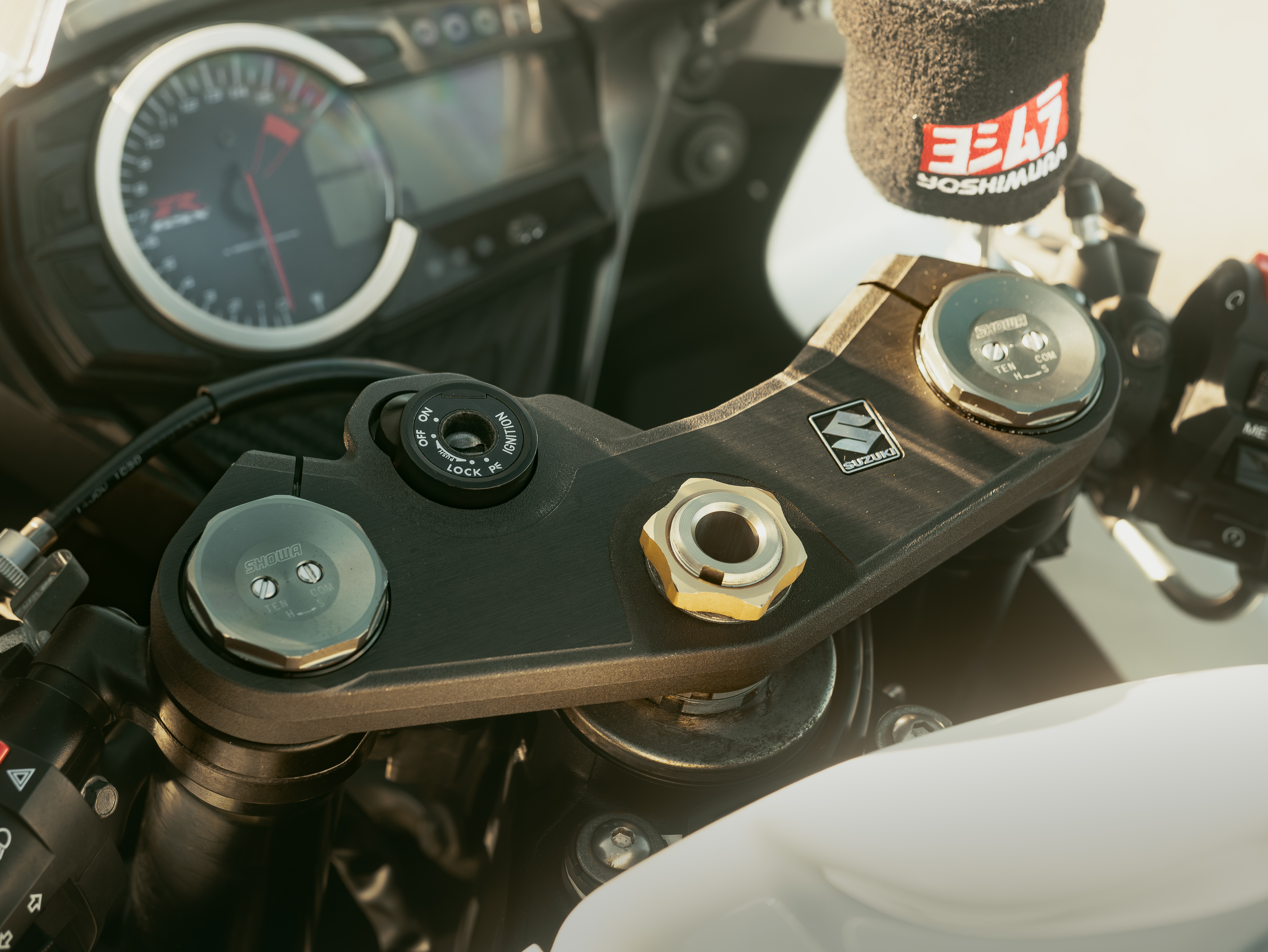
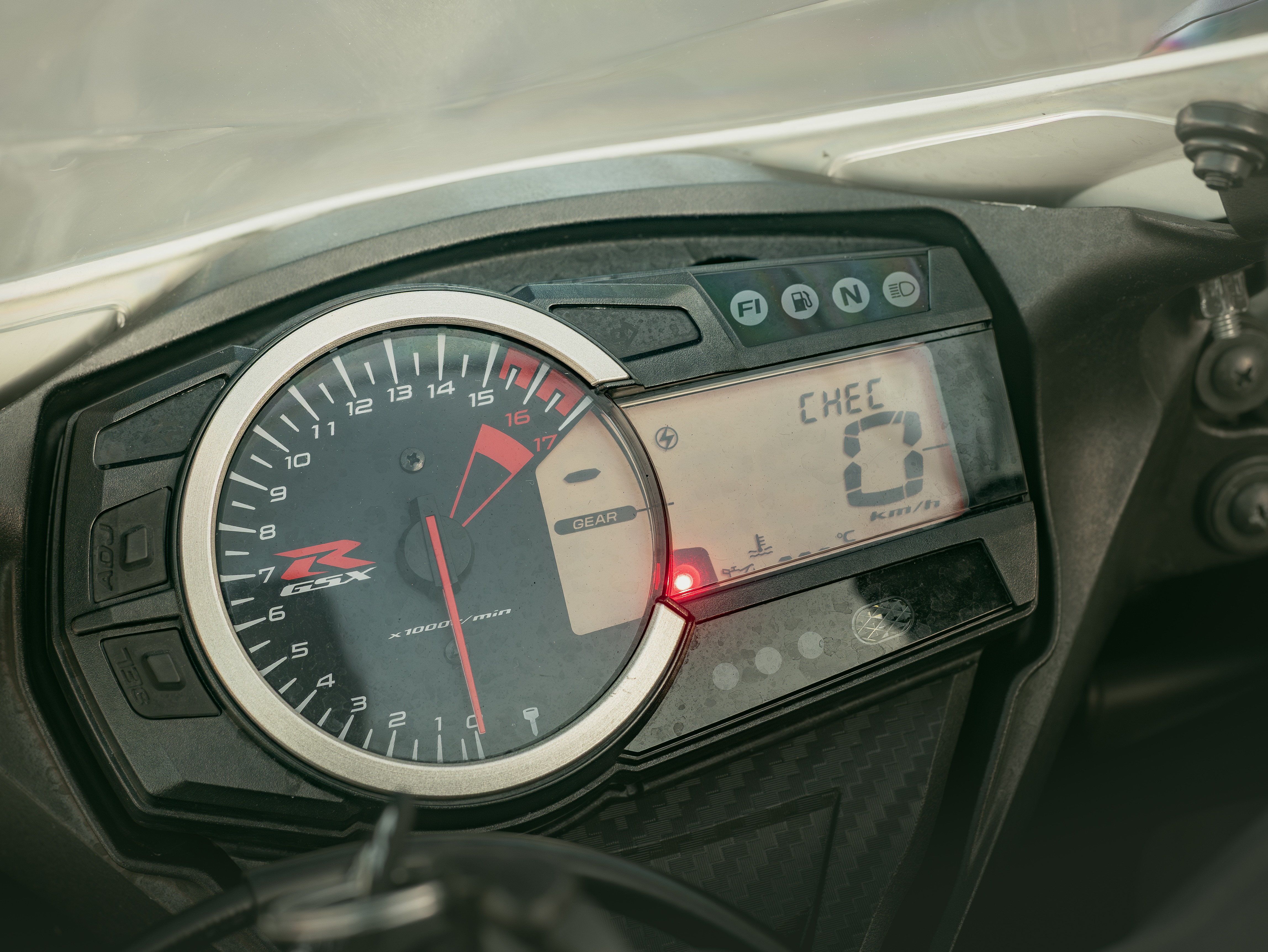
Onto the dash, we have a clear analogue tach paired with an LCD display for everything else. Besides the standard suite of expected display info, a lap timer and stopwatch also join the mix.
Suspension Feel and Stopping Power.
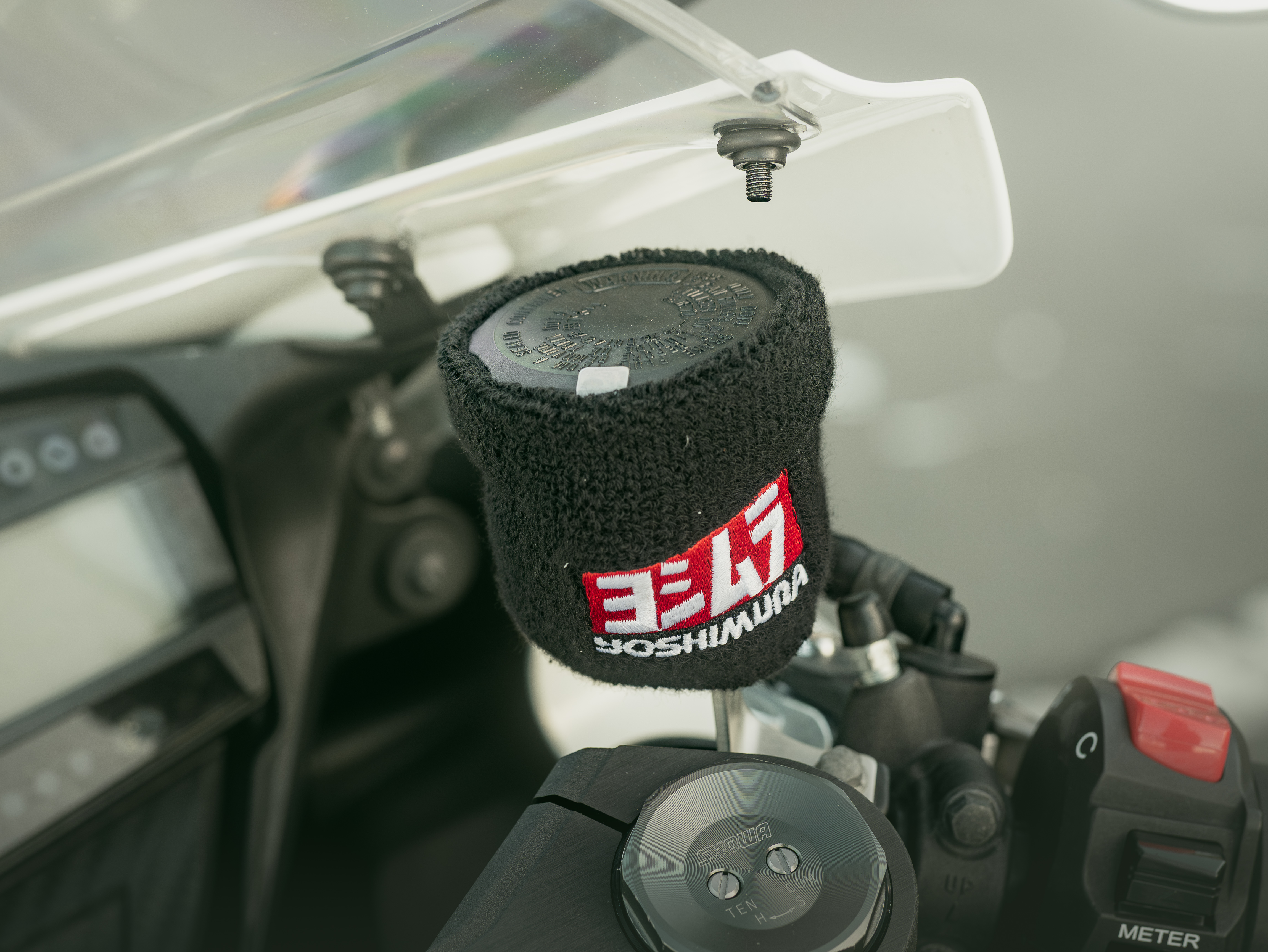
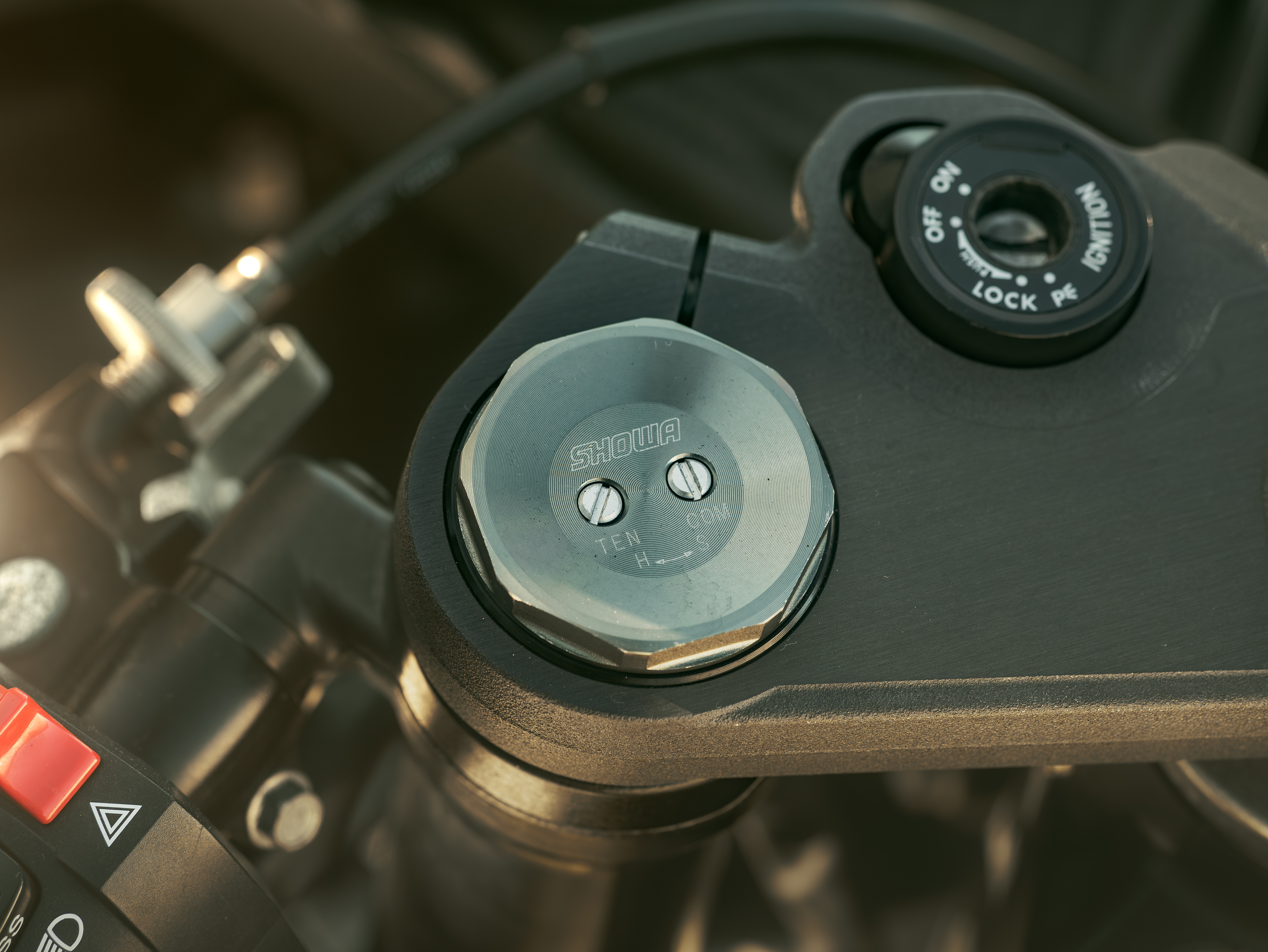
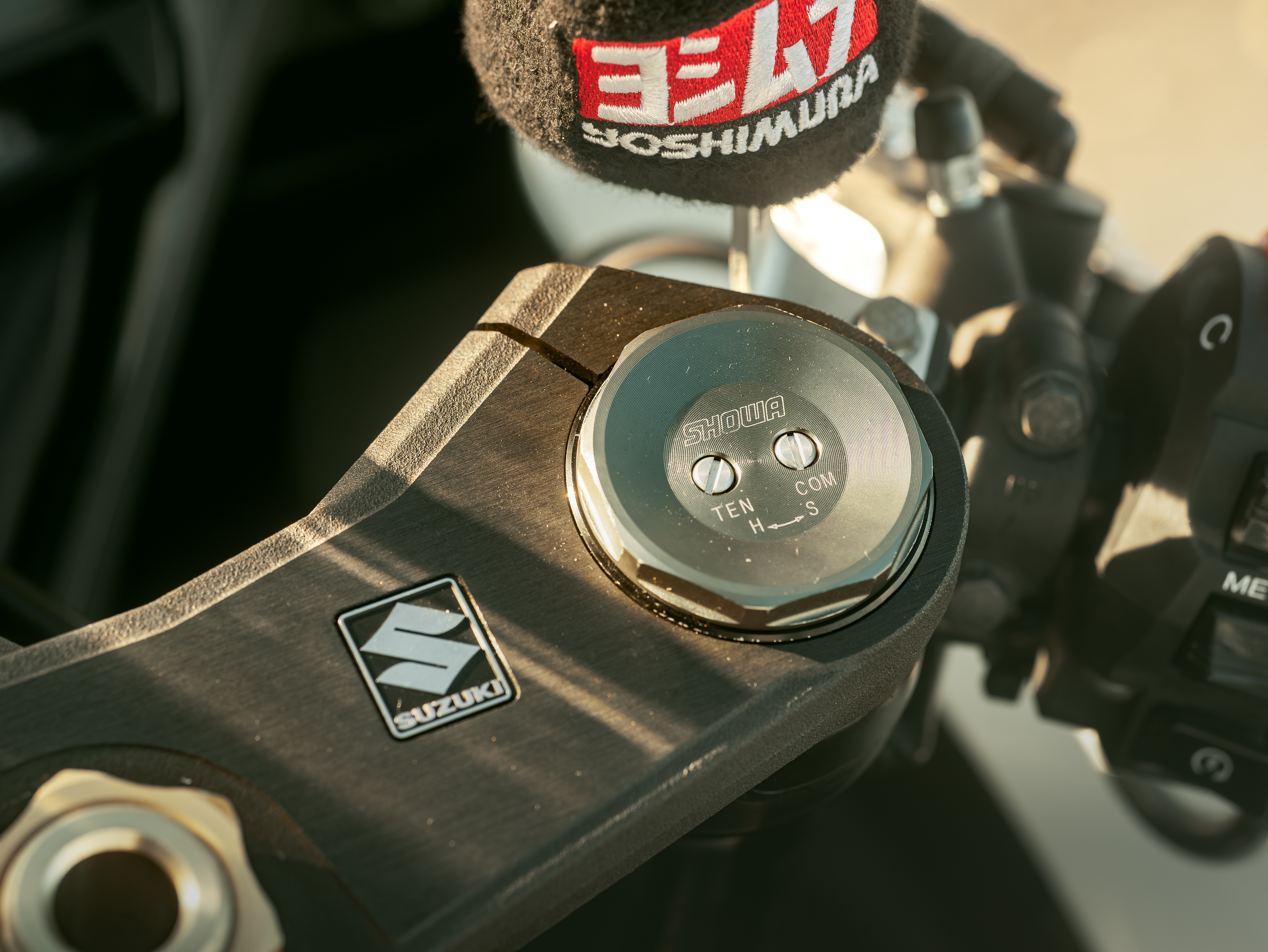
We have a plush set of inverted ⌀41mm Showa BPF’s offering full adjustability up front, which also boasts a nearly-900g decrease in weight over the previous model. The BPF (Big Piston Front) re-design consisted of a relocation of the fork springs into each leg, both submerged in oil, making for a much smoother ride. Tuning was made easier and better as a result of having more oil to manipulate. The GSX-R of 2011 was one of the first motorcycles to come with this new tech, and is a technology that has remained relatively unchanged to this day!
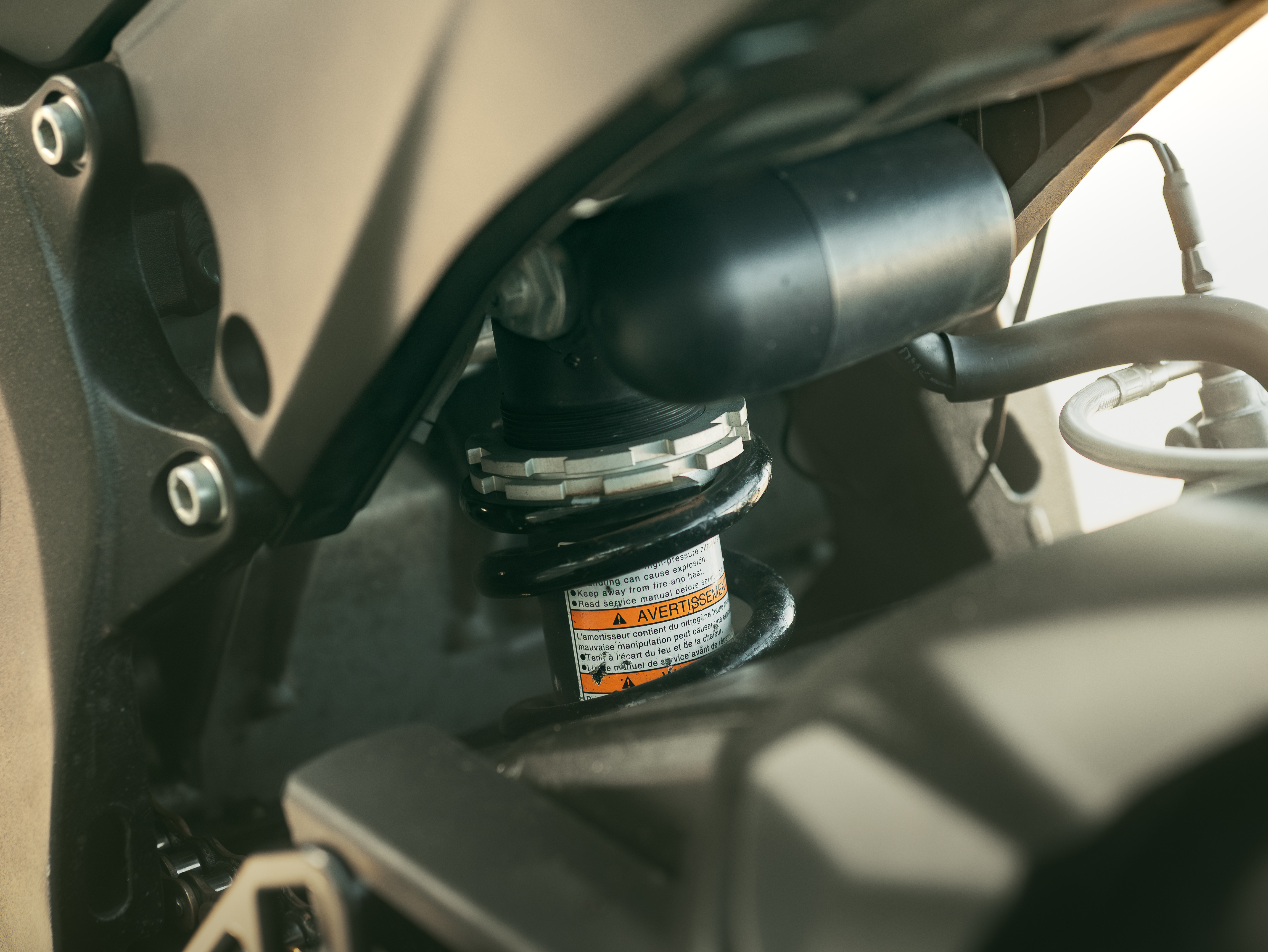
In the rear we’ve got a fully adjustable monoshock, allowing tweaks in spring preload and rebound/compression damping. Though it felt a little on the stiff side for everyday commuting (as it was set-up more as a weekend track-bike), it still commanded the streets and kept itself incredibly planted overall.
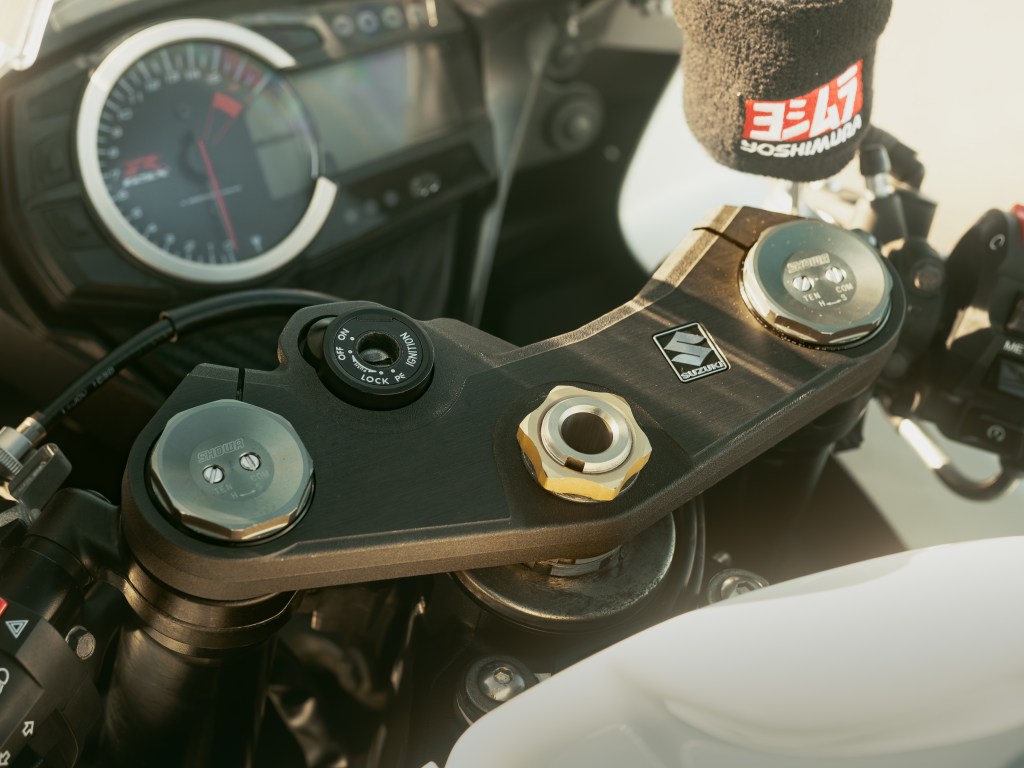
Weighing in at 187kg wet (stock), it’s a lightweight and also hauls like anything… but it has to be able to stop well too. Thankfully, braking capabilities is headlined with some beefy Brembo monobloc four-pistons, squeezing down on a pair of 310mm discs. The rear is kitted with a single 220mm disc paired with a single-piston calliper, seen also in the GSX-R1000, and both front and rear brakes work to further reduce weight over the previous generation.
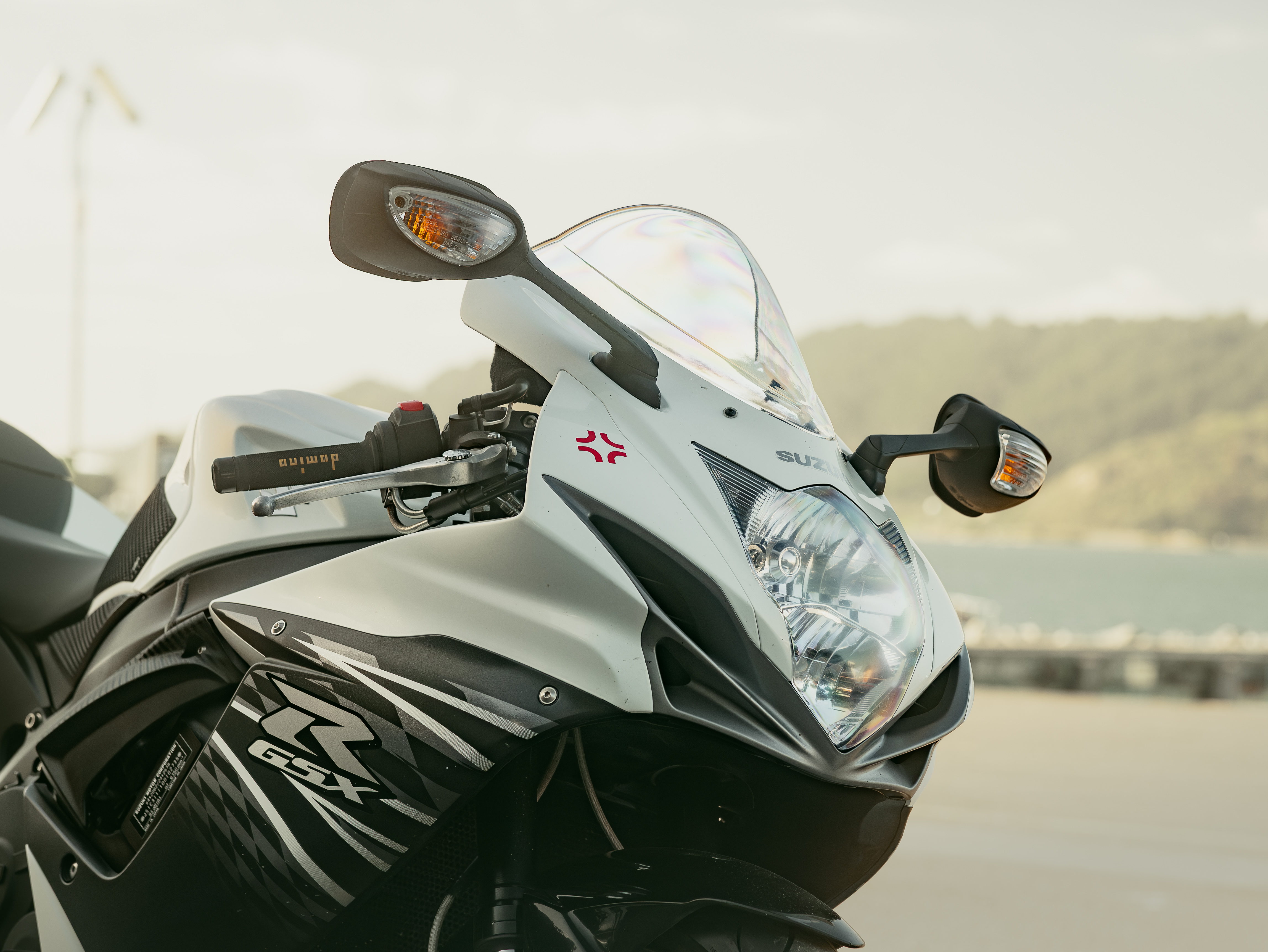
The Updated Front Scowl
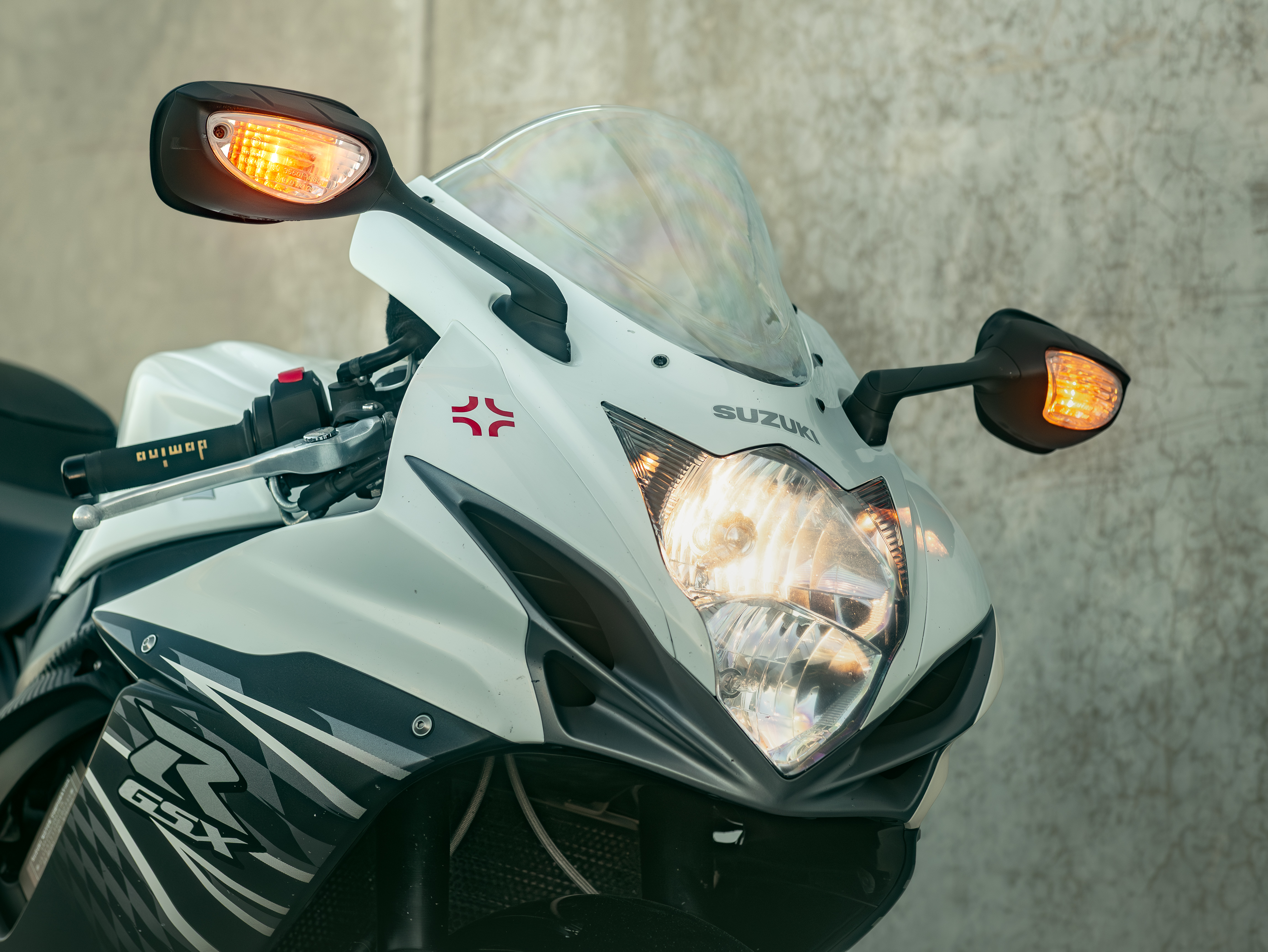
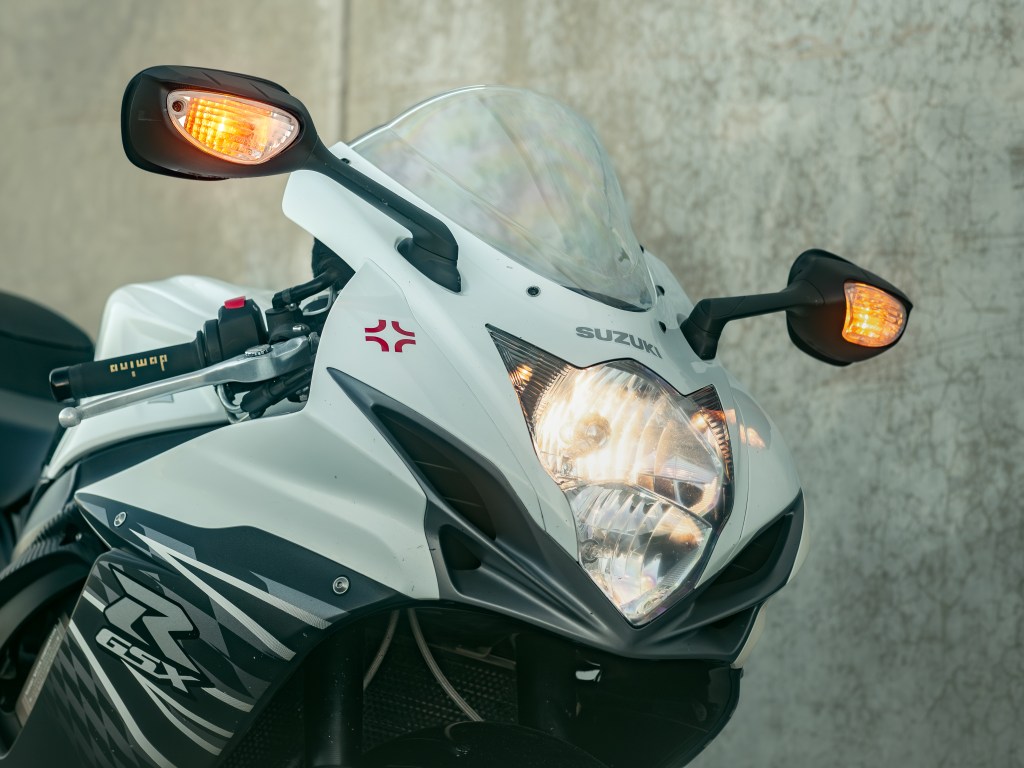
One of the most noticeable differences over the previous generation was the look of the front end. Gone was the ‘winged’ headlight of yesteryear, and in came this new stacked headlight design. With the front looking significantly sharper and more aggressive, I think it fits the character of the bike much better. Given Suzuki still release this model every year with effectively nothing more than a colour change, I think it’s safe to call the design pretty timeless!
Final Thoughts
Hopping off for the day, I can appreciate that this bike isn’t trying to impress you with gadgets. It’s here to do one thing — go fast, and feel great doing it. Especially with the mods done, it’s loud, focused, and unapologetically sporty. If you’re after a middleweight that still embraces the essence of what a supersport should be — the GSX-R600 delivers.
This is a rider’s bike, through and through.

AT A GLANCE
Price (Used): $7,000~$15,000 NZD
Power: 125 hp / 67.7 Nm
Engine: 599cc Inline-Four
Gallery